Introduction
The COVID-19 pandemic, as a global public health emergency, attracted considerable attention from the international community (Li & Zhao, 2023). During the pandemic, public health authorities’ effective management of COVID-19 depended on the timely and efficient dissemination of health-related information (Afzal & Du, 2023). As one of the most complex and highly uncertain decision-making contexts, the COVID-19 pandemic placed socioeconomic systems under severe strain for more than two years.
Municipalities are key crisis management organizations that provide a wide range of services to citizens (Nasiri et al., 2022). In Tehran, this situation not only threatened public health but also created numerous social, economic, and managerial challenges. In response, the Crisis Prevention and Management Organization of Tehran Municipality established the Tehran Metropolitan COVID-19 Crisis Management Headquarters and developed a series of guidelines for managing the pandemic. However, a preliminary review of these guidelines suggests that their effectiveness is limited by linguistic complexity, a lack of adaptation to diverse audiences, and inconsistent terminology. In this regard, critical discourse analysis (CDA) offers valuable insights by uncovering the power dynamics and ideological drivers underlying discourse and by revealing the underlying causes of comprehensibility and effectiveness (Li, 2025). Corpus-assisted discourse studies (CADS), as a novel approach in linguistics, make it possible to identify linguistic patterns, discourse structures, and underlying ideologies in texts (Baker, 2006). Using large textual datasets, this approach analyzes word frequency, keywords, and lexical bundles to reveal linguistic patterns and implicit meanings (Leon, 2023). In the present study, CADS is employed to examine the discourse of COVID-19 crisis management guidelines in Tehran Province, Iran, to identify their strengths, shortcomings, and possible ways to improve crisis communication. This study aimed to propose recommendations to simplify and standardize the guidelines to enhance their comprehensibility and effectiveness in crisis situations.
Theoretical framework and review of the literature
This study’s theoretical framework is grounded in CDA, as developed by scholars, such as Fairclough (1992) and van Dijk (1993). This approach views language not merely as a means of conveying information, but as a social mechanism that reproduces and transforms power, ideology, and social relations. In crisis management, CDA allows examination of how official discourses are constructed, particularly in organizational texts, such as crisis management guidelines, which reflect dominant ideologies and influence public behavior. This framework emphasizes three levels of analysis—description, interpretation, and explanation—allowing the researcher to connect linguistic patterns to broader sociopolitical contexts and to reveal discursive shortcomings, such as linguistic complexity or insufficient attention to social participation (Fairclough, 1992).
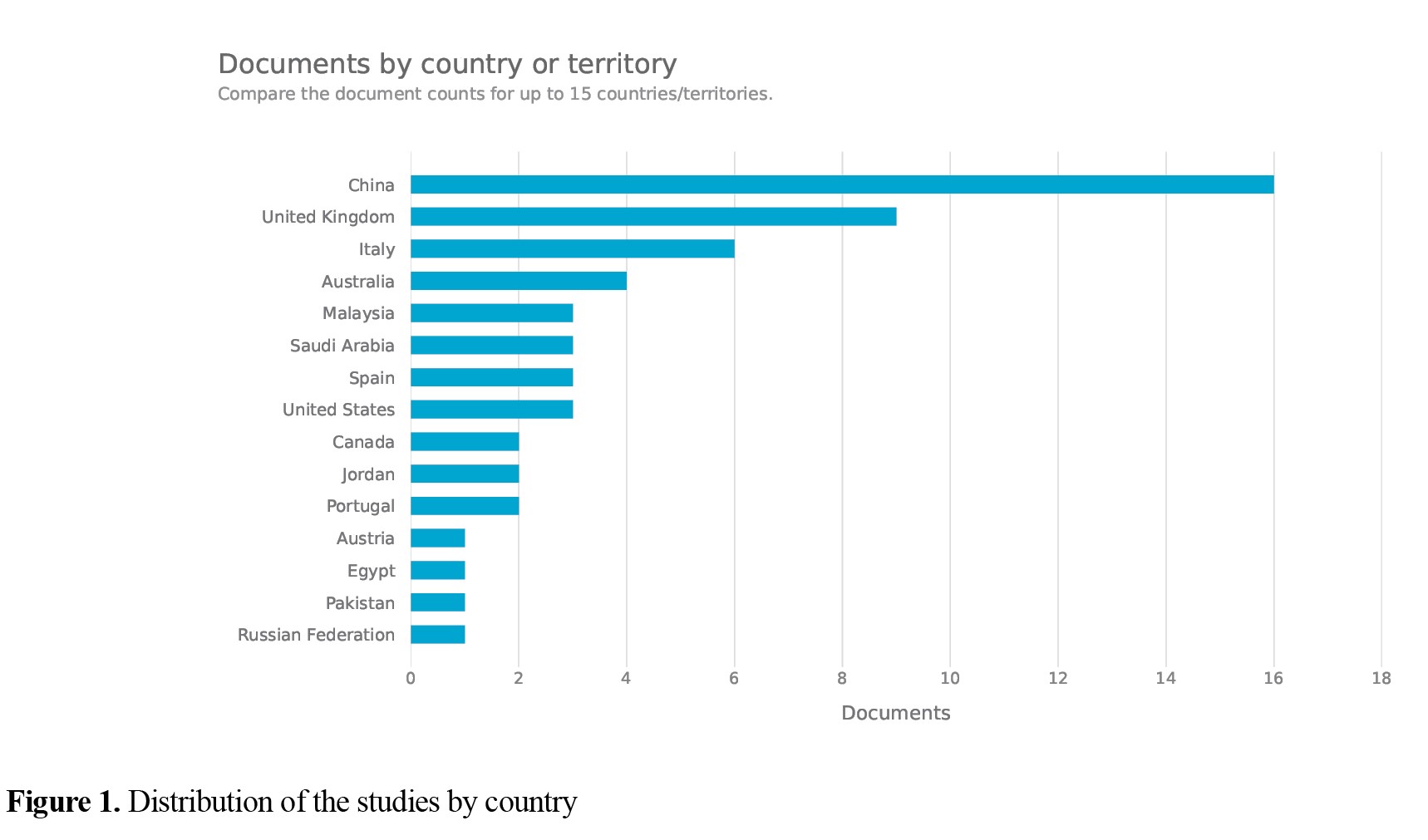
To review the research background, the study keywords were searched in the Scopus citation database. The search strategy included the keywords “corpus-based,” “discourse,” “analysis,” and “COVID-19” in the titles, abstracts, and keywords of English-language articles. Overall, 53 articles published since 2021 were identified in the area of CADS related to the COVID-19 pandemic. As shown in
Figure 1, the largest number of studies in this field were conducted in China and the United Kingdom. The distribution of the studies indicates an increasing trend in discourse analysis research over the five years from 2021 to 2025.
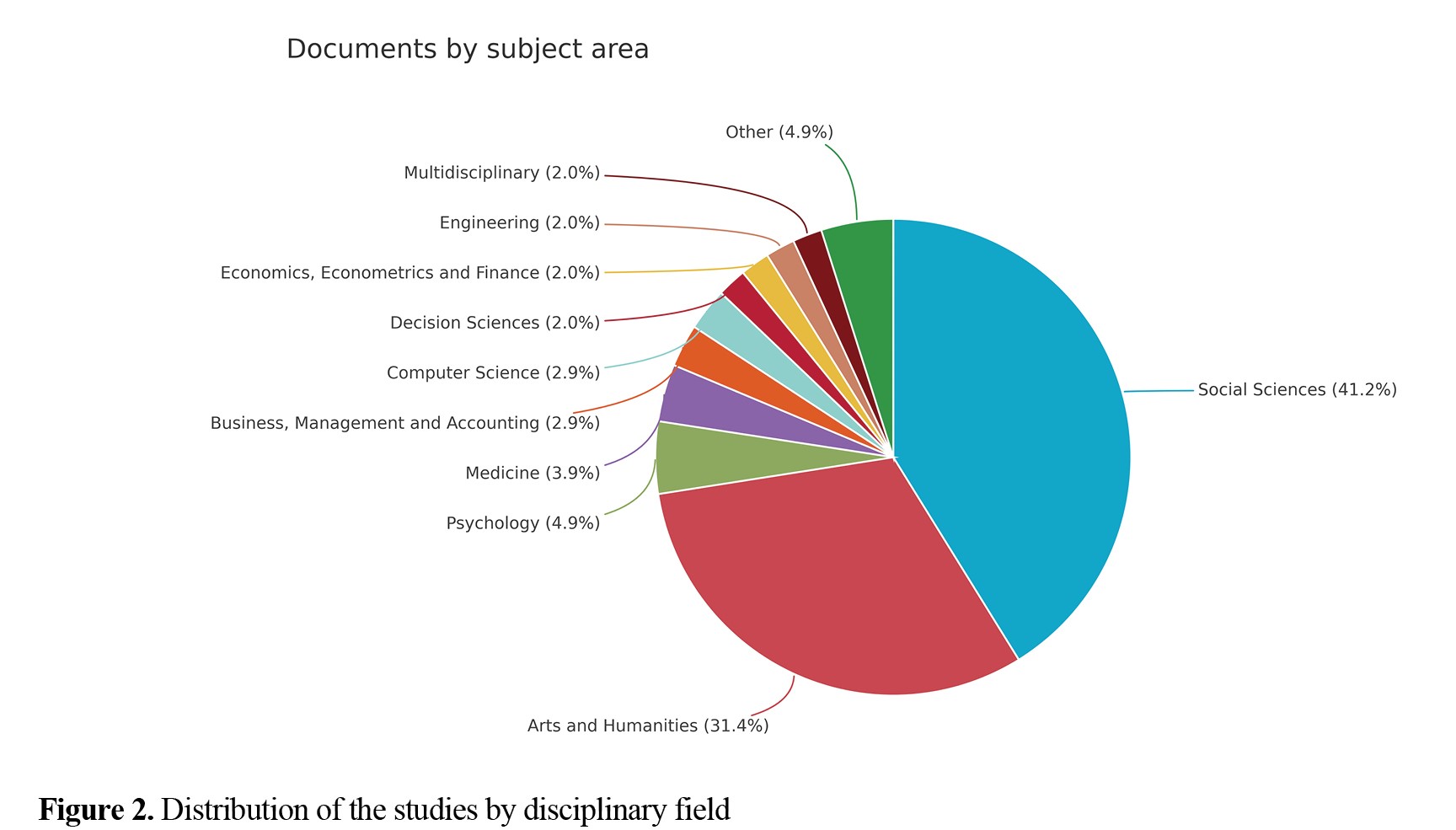
As shown in
Figure 2, most research in this area has focused on the social sciences and humanities.
In the next stage, all 53 scientific articles were reviewed. This section reviews the most closely related studies.
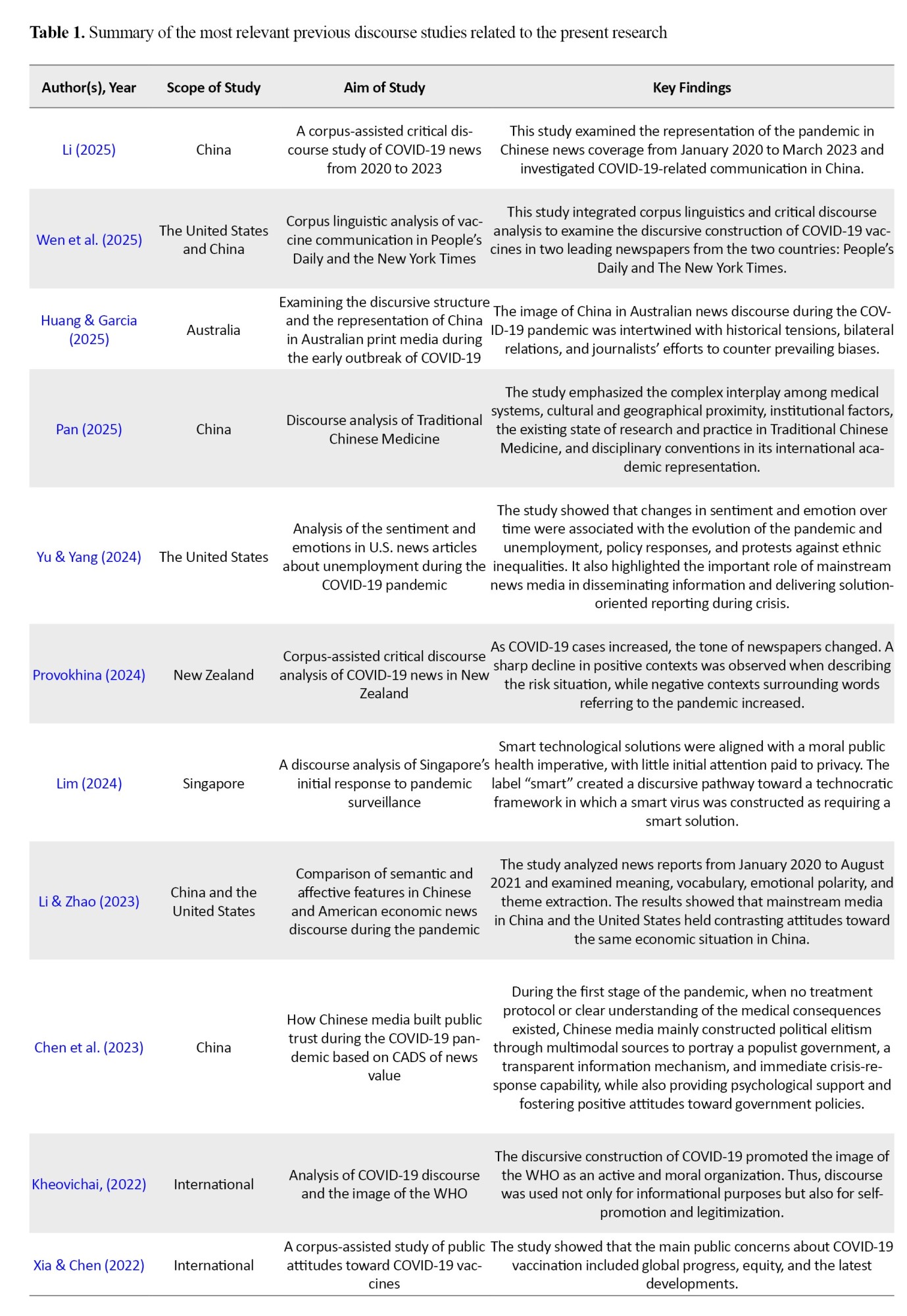
Chen et al. (2022) examined how Chinese media constructed public trust during the COVID-19 pandemic using a CADS of discursive news values. Their findings showed that during the first phase of the pandemic, when no treatment protocol or clear understanding of the medical consequences existed, Chinese media mainly constructed political elitism through multimodal resources to portray a populist government, a transparent information mechanism, and a capacity for immediate crisis response. In doing so, they provided psychological support to the public and fostered positive attitudes toward government policies. This mode of news reporting revealed the Chinese public’s trust in political authorities.
Chanli and Yuxin (2022) investigated the organizational discourse of cyber governance during the COVID-19 era from a social semiotic perspective. This corpus-assisted study conducted a detailed discourse analysis of organizational cyber governance during COVID-19, using a self-compiled corpus of textual discourse resources from nine typical digital technology companies and a reference corpus consisting of official publications from the United States and the European :union:. This interdisciplinary study not only offers valuable insights for discourse studies and socio-semiotics, but also establishes a new approach for synchronic cyber-governance studies.
Kheovichai, (2022) presented a corpus-assisted study of the collocation and discursive construction of COVID-19 in the discourse of the Director-General of the World Health Organization (WHO). The results showed that COVID-19 was discursively represented as a severe and multifaceted global threat. In addition, it was found that the discursive construction of COVID-19 enhanced the image of the WHO as an active and ethical organization. Thus, discourse was used not only for informational purposes, but also for self-promotion and legitimation.
Xia and Chen (2022) conducted a corpus-assisted study of public attitudes toward coronavirus vaccines. Overall, the study showed that vaccine composition could be categorized into several groups, and that the public’s main concerns regarding COVID-19 vaccination included global progress, equity, and the latest developments.
Discourse analysis and CADS in Iran, particularly in crisis management, are still in their early stages. Nevertheless, several studies in related areas of discourse analysis may provide a foundation for the present research.
Schralling (2023) examined the use of certainty in COVID-19 reporting in two Austrian newspapers. This study investigated the discursive construction of “science” in relation to herd immunity and vaccine effectiveness in two widely circulated Austrian newspapers. The CADS indicated a tendency toward the excessive use of linguistic expressions conveying certainty in the face of a rapidly changing and therefore uncertain situation. The study also found evidence that these two Austrian media outlets no longer functioned as correctives to power, but rather assumed the role of mediators of approved governmental narratives. It was argued that the uncritical reporting of official narratives in such a fluid context led to unresolved and unreflected contradictions in news coverage, which arguably undermined public trust in the accuracy of COVID-19 information presented in the media.
Li and Zhao (2023) compared the semantic and emotional features of Chinese and American economic news discourse during the pandemic based on a corpus-assisted critical discourse study. This study compiled a corpus of Chinese and American news reports published between January 2020 and August 2021 and analyzed semantics, vocabulary, emotional polarity, and thematic extraction. The findings showed that mainstream media in China and the United States adopted contrasting attitudes toward the same economic situation in China.
Hammoudeh et al. (2023) analyzed pandemic-related discourses of Muslim preachers on social media using corpus-assisted CDA. This study examined how Arab Muslim preachers represented COVID-19 in their discourse on Twitter and Facebook. In their ideological representation of pandemics, the preachers predominantly framed all three pandemics as manifestations of divine wrath. The posts of these religious scholars cannot simply be regarded as narratives of instruction and preaching; rather, they consume and reproduce Islamic ideology in ways that manipulate and influence Muslims’ understanding of reality by adding new meanings aligned with selected ideological frameworks.
Afzal and Du (2023) investigated syntactic complexity in translated COVID-19 e-health discourse through a comparable parallel corpus approach. The findings, derived from a comparative corpus analysis of a self-compiled corpus based on translated e-health information and the Corona Corpus, which contains 12 million words and served as the reference corpus, were discussed in detail. By revealing a significant difference between the two corpora, the study demonstrated that the overall sentence complexity of translated texts was significantly lower than that of non-translated texts, even though the translated texts took longer to produce. The results also showed that translated e-health information contained fewer coordination structures.
Li et al. (2023) conducted a corpus-assisted critical discourse study of reporting practices in English news reports about a public health event in China and the United States. Using a CDA perspective, the study examined reporting verbs to investigate the features of Chinese and American news reports on public health emergencies. The findings provide insights into reporting strategies in news coverage of emergencies in China for foreign audiences.
Chang et al. (2024) examined Xiaosi (to die laughing) as a discourse marker: a corpus-assisted study during the COVID-19 pandemic in Taiwan. The study showed that in social media contexts, this item acquired a new pragmatic function beyond its literal meaning. More specifically, Xiaosi can express the speaker’s stance or convey an evaluative comment on a situation, thus serving a new conversational function distinct from its original meaning.
Yu and Yang (2024) investigated media news in crisis: an analysis of the sentiment and emotions of US news articles on unemployment during the COVID-19 pandemic. Using a discourse-analytic approach, the study showed that changes in sentiment and emotion over time were associated with the evolving pandemic and unemployment situation, policy responses, and protests against ethnic inequalities. The study highlights the important role of mainstream news media in disseminating information and delivering solution-oriented reporting during severe crises.
Ireland (2024) analyzed Twitter posts from the Centers for Disease Control and Prevention (CDC), the WHO, and the National Health Service (NHS) during the COVID-19 pandemic in a study titled Wash Your Hands. The study tracked public health messages and evidence of stability and change in the tweet corpora of the official accounts of the CDC, the WHO, and the NHS throughout 2020. Using corpus-based methods, including keyword analysis, the study identified major similarities and differences in each organization’s tweets over time. Broader macro- and micro-level discourses and linguistic patterns, with specific applications to public health and governmental messaging—especially risk and health communication—were revealed. The implications include recommendations for public health communication, including the need for diverse linguistic patterns and interactive messaging tactics for government organizations.
Mohammadi (2024) examined political framing of COVID-19: from metaphor to moral panic. In the international journal of corpus linguistics, the study investigated a CADS of the metaphorical framing of COVID-19 in US political discourse. It pointed to subtle discursive strategies used in White House press briefings that reconstructed the enemy by recategorizing the coronavirus alongside other so-called enemies of the United States, such as communists, as well as Islamic radicals and Latin gangs and cartels.
Provokhina (2024) investigated the emotional context of newspaper articles concerning COVID-19 through a corpus-assisted CDA of news reports in New Zealand. The findings revealed that as COVID-19 cases escalated, the tone of newspaper coverage shifted. Specifically, positive contexts declined sharply (by two to four times) when describing the threat level of COVID-19 in the country. Although direct labeling of “risk” or “danger” did not frequently occur in the analyzed corpus, there was a significant increase in negative contexts surrounding words associated with the COVID-19 pandemic.
Liu and Baker (2024), in their study on shifting narratives, conducted a CADS of how American media portrayed China’s response to COVID-19. Their research highlights that during the pandemic, US media outlets’ depiction of China’s response became a subject of substantial interest and debate. The study underscores the vital role of the media in shaping public perceptions and international cooperation during global crises. Furthermore, the authors emphasize the need for media organizations, policymakers, and stakeholders to critically reflect on their narratives, avoid stereotypical assumptions, and carefully consider their impact on international relations and global collaboration.
Lim (2024) explored the concept of tracking a “smart virus” in a smart city by conducting a discourse analysis of Singapore’s early pandemic surveillance response. Drawing on a critical analysis of a corpus comprising 361 newspaper articles and 8 speeches from April to May 2020, this study traces the discursive circulation of the “smart city” construct in Singapore during the pandemic. The discourse analysis reveals that smart technological solutions were aligned with a public health moral imperative, leaving little initial concern for privacy. The “smart” label established a discursive pathway toward a technocratic framework, where a “smart virus” was constructed as a challenge that could only be resolved through a corresponding smart solution.
Lee (2025), in a study entitled navigating health communication in China: A corpus-assisted critical discourse study of COVID-19 news from 2020 to 2023, examined how Chinese news coverage represented the pandemic from January 2020 to March 2023. The study offers recommendations that could help health professionals develop more precise, culturally sensitive communication strategies for managing public health crises.
Wen et al. (2025) explored whether COVID-19 vaccines served as a “game changer” in their study, COVID-19 vaccines as a game changer? A corpus-assisted linguistic study of vaccine communication in the People’s Daily and the New York Times. Given the significance and potential implications of the intense strategic competition between the United States and China, this study integrated corpus linguistics and CDA to examine the discursive construction of COVID-19 vaccines in two leading newspapers from each nation: the People’s daily and the New York Times. The findings reveal both similarities and differences in the vaccine communication strategies employed by these two publications, as well as the interplay between discursive practices, socio-political contexts, and underlying ideologies.
Haffner et al. (2025) analyzed discourse in specialized mainstream media articles regarding the evidentiary basis of COVID-19 knowledge claims for public audiences. This analysis identified four distinct discourse strategies: (1) extracting knowledge from experience; (2) citing expert community knowledge; (3) citing indigenous/local knowledge; and (4) framing claims within argumentation or critique.
Huang, et al (2025) conducted a corpus-assisted study of media representations of China in Australia during the early stages of COVID-19. This research employs CDA and corpus linguistics to closely examine the discursive construction and framing of China’s image in Australian print media during the initial COVID-19 outbreak. The study argues that the depiction of China in Australian news discourse during the pandemic is intricately intertwined with historical tensions, bilateral relations, and journalistic efforts to navigate prevailing biases.
Pan (2025) explores the international academic representation of traditional Chinese medicine (TCM) in the post-COVID-19 era. Through a corpus-assisted investigation, this study highlights the complex interplay between medical systems, cultural and geographical proximity, institutional factors, the current state of TCM research and practice, and disciplinary conventions. The findings offer valuable insights into the evolving global scientific status of TCM and its integration into modern healthcare systems.
In addition to international literature, this study reviewed domestic studies. While discourse analysis within the specific domain of COVID-19 crisis management remains largely unexplored in domestic research, it has been used sparingly in other fields. For instance, Askari Matin and Rahimi (2013) conducted a study on legal discourse analysis, focusing on John R. Searle’s “speech act” theory. By analyzing a corpus of legal judgments issued by the Supreme Court of Iran, they demonstrated that legal speech acts play a critical role in shaping organizational discourses. This study underscores the importance of analyzing specialized texts to uncover underlying linguistic patterns and provides a framework for discourse analysis within organizational contexts.
Kazempourfard and Modares Khiyabani (2014) investigated the transcript of Hassan Rouhani’s first press conference following the 2013 presidential election using a CADS approach. By extracting keywords and high-frequency expressions, they demonstrated that topics, such as international engagement, family livelihood, and the economy, were prominent in the President’s discourse. This study highlights the capacity of CADS to uncover discursive priorities.
Samani and Modares Khiybani (2015) analyzed the discourse of the “resistance economy” based on the Supreme Leader’s speeches. Through quantitative and qualitative keyword analysis, they emphasized the public’s vital role in the economy and the need to reduce dependence on fossil fuel resources. This research demonstrates that CADS is an effective tool for identifying underlying ideologies in political texts.
Bamshadi and Ansariyan (2014) reviewed the application of corpora across various linguistic fields, illustrating that linguistic corpora are transformative tools in text analysis. Referring to the concept of a “corpus revolution,” they underscored corpora’s key role in discourse analysis.
Khanifar and Askari Matin (2016) explored organizational discourse within the workplace by examining communicative speech acts. By recording and analyzing workplace dialogues, they identified five categories of speech acts: general narratives, organizational discourses, phatic/social courtesies, mediating discourses, and executive discourses. This study highlights the significance of discourse analysis in understanding organizational culture.
Rostambek Tafreshi and Aref Amiri (2016) critically reviewed Paul Baker’s (2006) book, Using Corpora in Discourse Analysis, examining both its strengths and limitations. While they emphasized the importance of utilizing concrete examples and diverse corpus-based methods, they pointed to shortcomings, such as the lack of a descriptive glossary and insufficient coverage of analysis software.
Modares Kheybani, Kamalpour et al. (2020) conducted a discourse analysis of Jalal Al-e Ahmad’s works to examine the keywords and ideologies embedded in his writings. They demonstrated that themes, such as the critique of Westoxification (Gharbzadegi), the fight against injustice, and the preservation of Iranian identity were central to Al-e Ahmad’s work, emphasizing the role of keywords in decoding underlying ideologies.
Table 1 summarizes these domestic studies.
As the review of domestic and international literature indicates, the field of COVID-19 crisis management has addressed a variety of thematic areas. Discourse analyses have focused on political and media discourse, academic and media discourse, news coverage and public communication, cyber governance and commercial discourse, metaphorical framing, public perception and identity, and the construction of global and national images. Collectively, these studies demonstrate the diverse applications of CADS in understanding the multifaceted impacts of COVID-19. They show how language and discourse shape public perception, policy, and social dynamics during the pandemic, offering valuable insights for future research and communication strategies. Nevertheless, discourse analysis in COVID-19 crisis management has not yet been examined in Iran. In this regard, this study investigates the guidelines issued by the Tehran COVID-19 Crisis Management Headquarters to identify ways to reduce linguistic complexity, adapt the texts to different audiences, and promote terminological consistency to enhance their effectiveness.
Materials and Methods
CADS integrates quantitative and qualitative methods to identify linguistic patterns and ideologies embedded within texts (Baker, 2010). This approach utilizes textual analysis software, such as WordSmith and Sketch Engine, to extract word frequencies, keywords, and n-grams. Keywords, identified by relative frequency and statistical significance (e.g. log-likelihood and log-ratio), indicate dominant discourses and underlying ideologies (Ellis & Baker, 2011). This methodology assumes that corpora contain linguistic theories and can serve as autonomous sources for linguistic hypotheses (Tognini-Bonelli, 2001). Beyond identifying linguistic patterns, CADS reveals implicit meanings and ideologies by examining n-grams and concordances (Baker, 2006). This method is particularly effective for analyzing specialized texts, such as crisis management guidelines, because it facilitates the identification of topic-specific linguistic patterns and offers strategies for improving communications.
This study employed a descriptive-analytical, mixed-methods (quantitative and qualitative) design. A specialized, monolingual corpus comprising 452,624 tokens was constructed from 109 PDF files containing COVID-19 crisis management guidelines issued by the Tehran Disaster Mitigation and Management Organization. From an initial dataset of 170 files, 69 were excluded due to redundancy, irrelevance, or technical incompatibility for processing. The corpus construction process involved the following stages:
1. Data collection: Gathering 170 PDF files related to COVID-19 crisis management guidelines and documentation.
2. Data refinement: Evaluating and converting files into machine-readable text formats, resulting in the final selection of 109 files.
3. Corpus building: Designing a specialized, monolingual corpus using Sketch Engine software.
4. Data analysis: Conducting keyword analysis, word frequency counting, and n-gram extraction using WordSmith Tools.
Analytical criteria included frequency, percentage, frequency in the reference corpus, statistical significance (log-likelihood), and probability value (P value). For each identified keyword, five concordance lines were extracted to examine discourse patterns and lexical usage.
Given the interpretive-qualitative nature of the present study within the framework of discourse analysis, Lincoln and Guba’s (1994) criteria for qualitative validation—namely credibility, transferability, dependability, and confirmability—were employed. Furthermore, the data analysis was performed using the specialized software WordSmith Tools, which significantly contributed to the systematicity and objectivity of the analytical process. The operationalized strategies are as follows:
Credibility (internal validity):
● a) Prolonged engagement and sustained interaction with data: The researcher maintained sustained interaction with the data (guidelines issued by the Tehran Crisis Management Headquarters) over an extended period to ensure a deep understanding of the discourse.
● b) Peer debriefing: Key findings—including frequency lists, collocation analysis, and concordances generated by the software—were discussed and validated in sessions with experts in discourse analysis and linguistics.
● c) Member checking: Interpretations based on quantitative data (e.g. core vocabulary) and qualitative findings from the discourse analysis were presented to participants, including several subject-matter experts from the Tehran Crisis Management Headquarters, for final verification and validation.
Transferability (external validity):
● a) Thick description of context and process: The socio-political context of the guidelines’ production, as well as precise parameters used in WordSmith Tools (e.g. corpus type, criteria for determining “keywords,” and collocation window span), have been fully detailed to enable an assessment of the findings’ transferability.
● b) Provision of quantitative and qualitative evidence: The research report incorporates both quantitative software outputs (charts and statistical vocabulary tables) and rich textual examples (concordance lines) as empirical evidence.
Dependability (reliability) and confirmability (objectivity):
The utilization of WordSmith Tools has significantly enhanced the reliability and objectivity of the research through the following mechanisms:
● Audit trail: A comprehensive documentation of the analytical process, including:
● Word list: Determining the most frequent words and calculating their exact frequencies and percentages.
● Keyword analysis: Identifying keywords by comparing the target corpus with a reference corpus.
● Collocation analysis: Identifying collocates and analyzing patterns of co-occurrence around the discourse’s keywords.
● Concordance extraction: Systematic observation of all contexts in which a keyword appears throughout the entire corpus.
This detailed documentation enables other researchers to replicate and audit the analysis process.
● Reduction of subjective bias: By providing objective quantitative data (e.g. calculating statistical significance of collocations using metrics, such as mutual information (MI) or T-score), the software establishes a starting point based on measurable evidence, minimizing purely subjective interpretations.
● Integration of quantitative and qualitative analysis: This study employs quantitative software outputs as a "roadmap" to focus on significant sections of the texts, followed by in-depth qualitative discourse analysis. This integration enhances data dependability while preserving interpretive richness.
The application of specialized WordSmith Tools, combined with adherence to qualitative validation principles, makes the present study systematic, precise, and auditable, while maintaining the capacity for critical interpretation and the discovery of latent discourse layers within the Tehran COVID-19 crisis management guidelines. Furthermore, to improve the comprehension of these crisis management guidelines for stakeholders and to offer strategies for enhancing the effectiveness of crisis communication in metropolitan areas, the results of the discourse analysis were discussed in several joint sessions with organizational experts and specialists, leading to the proposal of practical solutions.
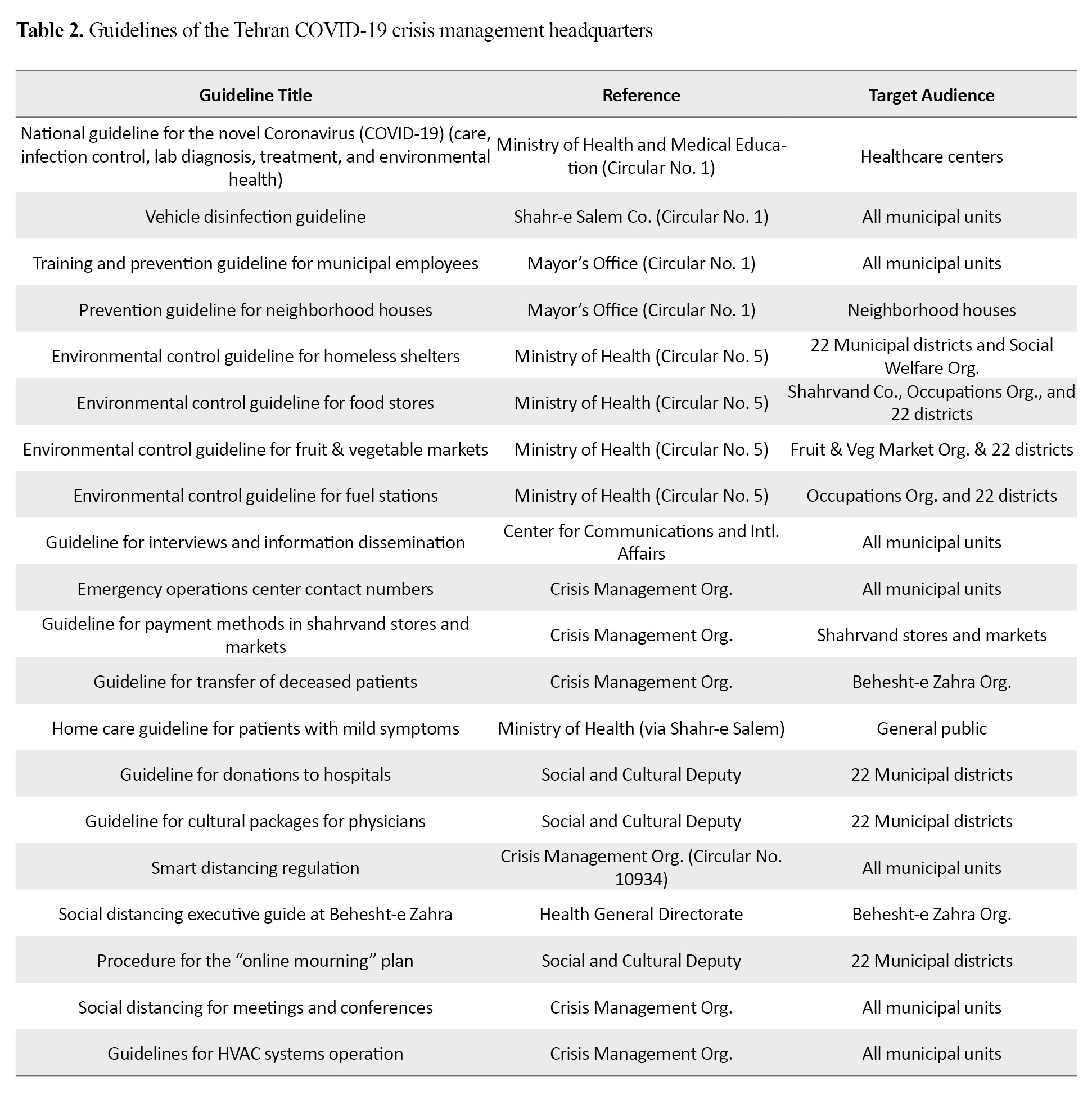
Table 2 presents information on selected COVID-19 crisis management guidelines, and
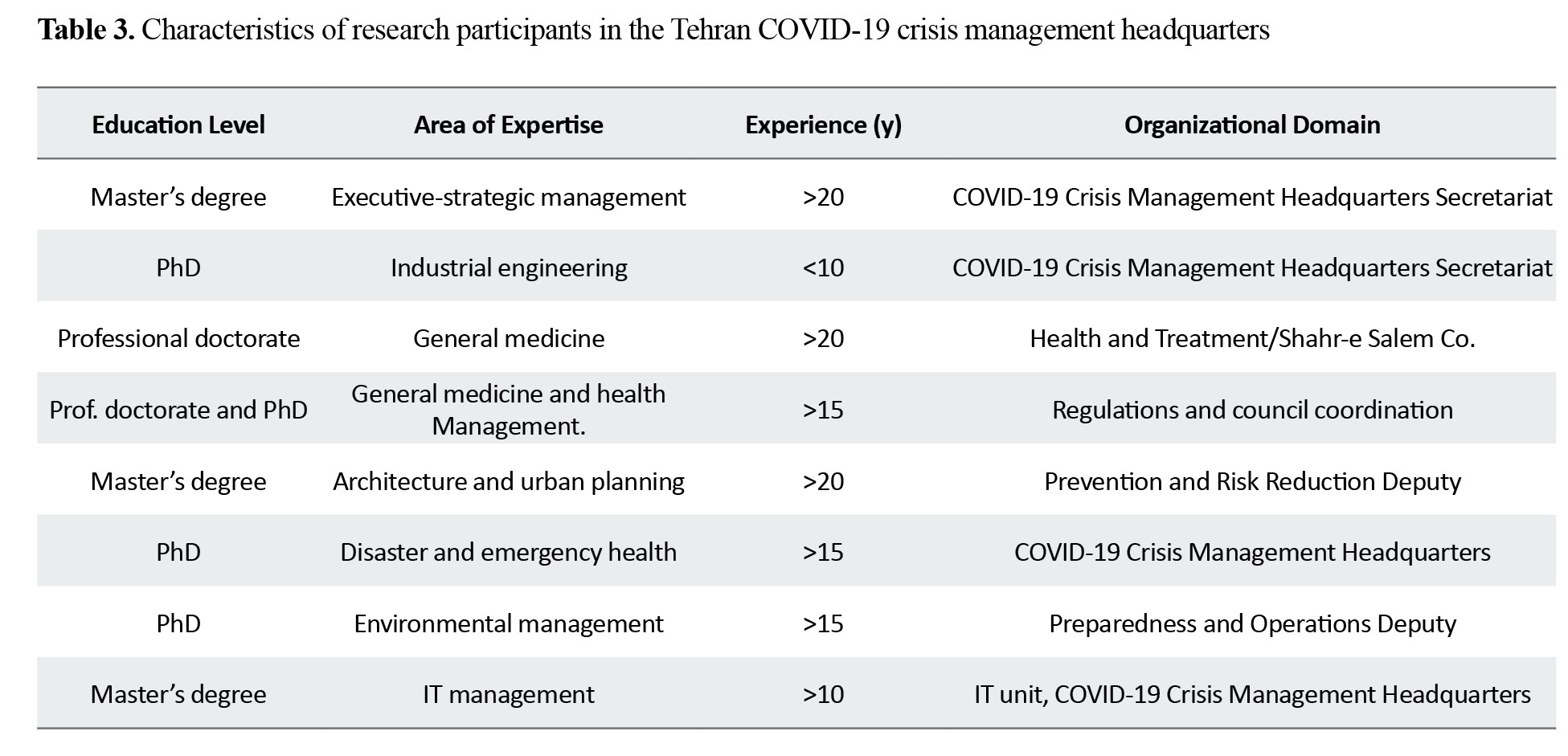
Table 3 presents the demographic characteristics of the research participants.
 Results
In accordance with the methodological steps outlined in the research, as presented in
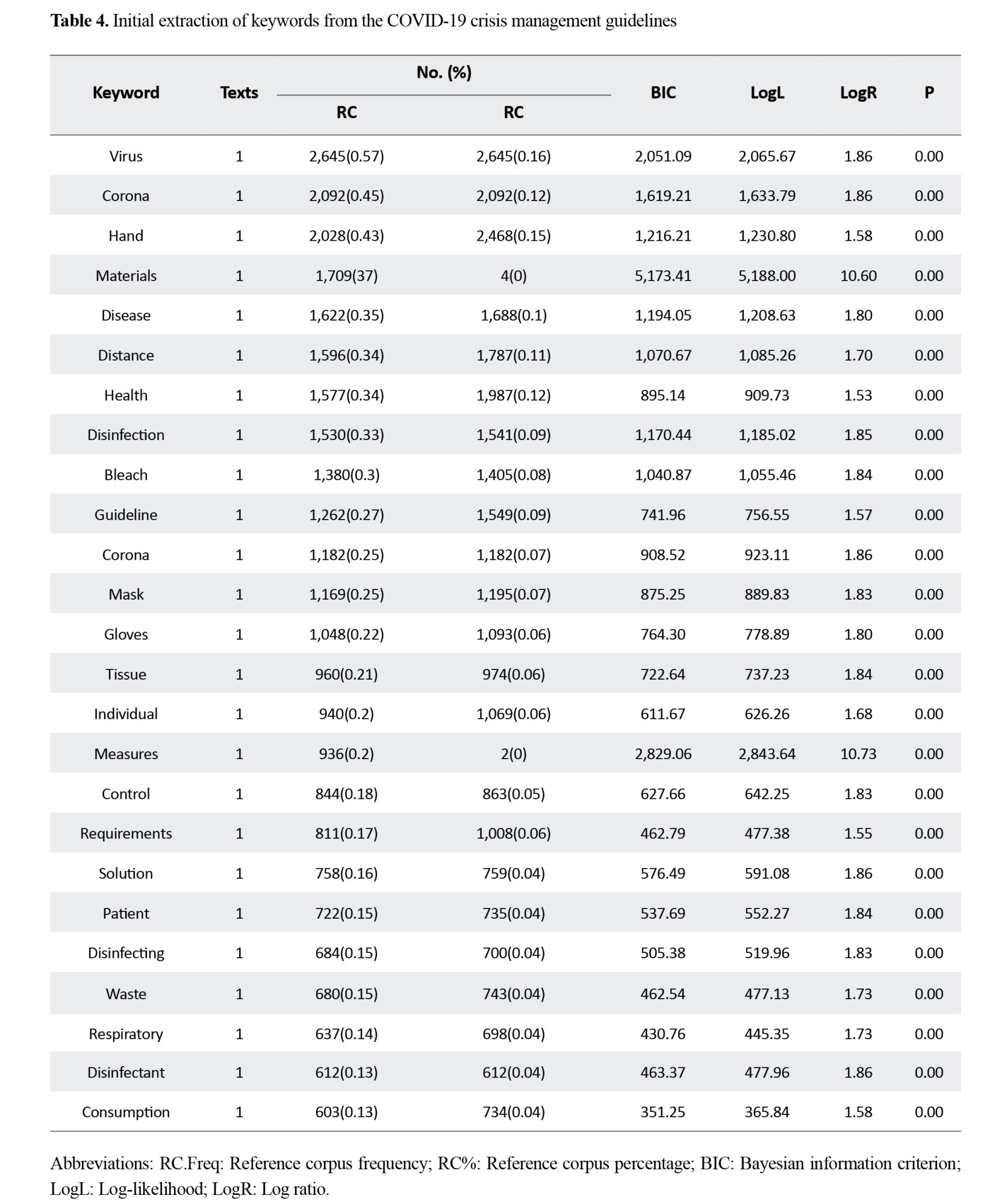
Table 4, the keywords of the COVID-19 crisis management guidelines were extracted, and their frequencies were calculated.
Using WordSmith Tools for corpus analysis (software output shown in
Figure 3), a nine-column table was generated.
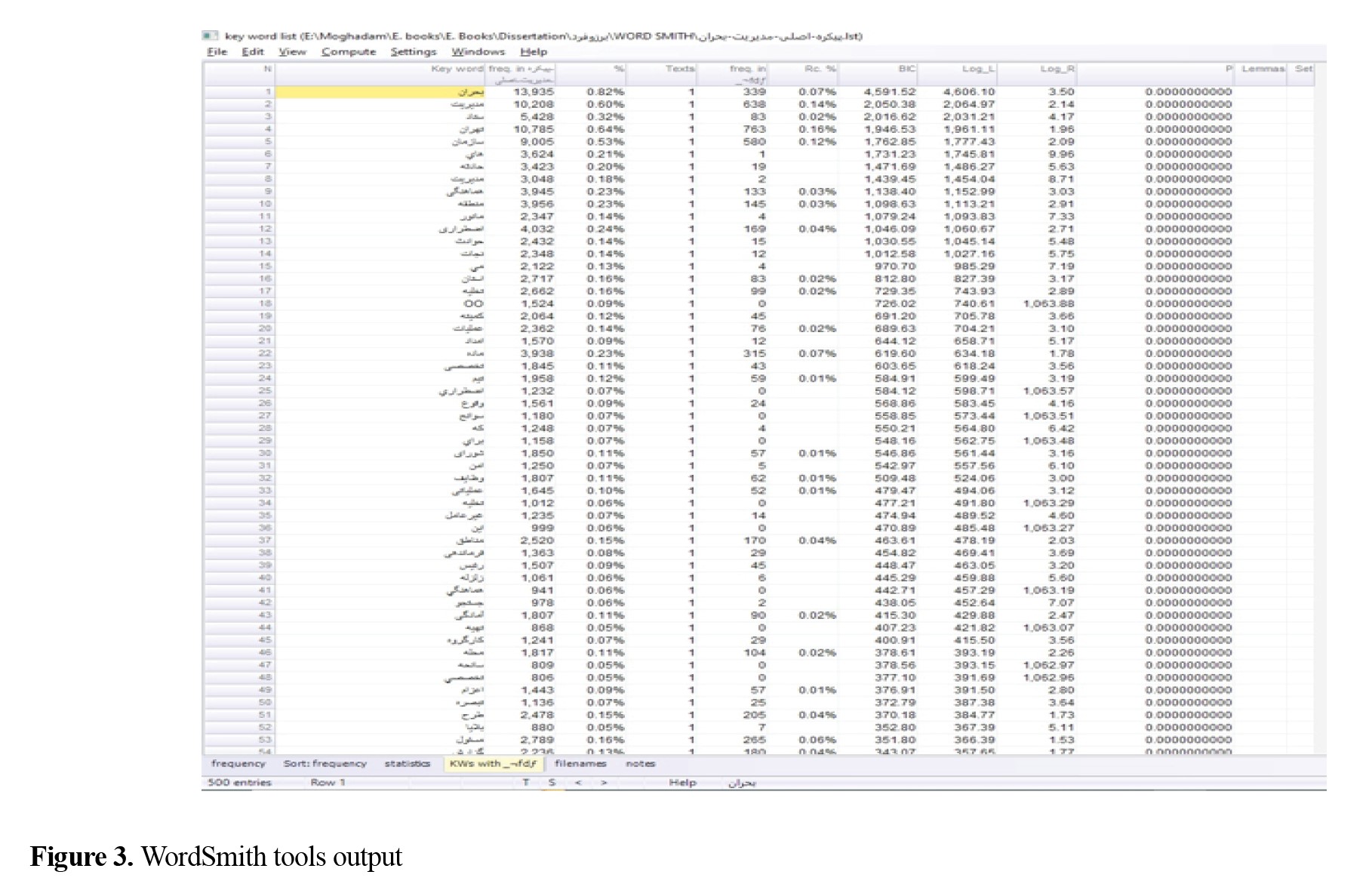
The frequency column represents the absolute frequency of each word, while the % column indicates the relative frequency of a specific word within the entire corpus. Frequency in the reference corpus shows the raw frequency in the reference corpus, and reference corpus percentage reflects the percentage frequency of the word in that reference corpus. Log ratio represents the ratio of the word’s frequency in the target text compared to its usage in the reference corpus. Log-likelihood indicates the “keyness” of the word; a negative value suggests that the word was used less frequently than expected within the text. The final column, P, ranges from 0 to 1 and represents the confidence level regarding the extent to which the keyness of a word is statistically significant rather than coincidental (Scott, 2008). If only a few keywords appear in the list, the P value can be increased to extract additional keywords. A smaller P value indicates a higher probability that the word’s occurrence in the corpus is not random, signifying that the author has used the word consistently and repeatedly.
In this study, after removing irrelevant forms and sorting by frequency, the top 15 keywords (nouns, adjectives, verbs, and adverbs) were selected from the corpus and are presented in
Table 4 alongside their respective frequencies. Five concordance lines (example sentences) for each keyword were provided, totaling 75 sentences extracted from the corpus. Although some concordance lines contained more than one keyword, only one keyword was considered for each line. The subsequent sections provide an analysis of the extracted high-frequency keywords and examine each in detail.
Extracted keywords
The following high-frequency keywords were extracted from the corpus of COVID-19 crisis management guidelines.
Table 5 presents the high-frequency keywords in the corpus of COVID-19 crisis management guidelines along with their statistical measures.
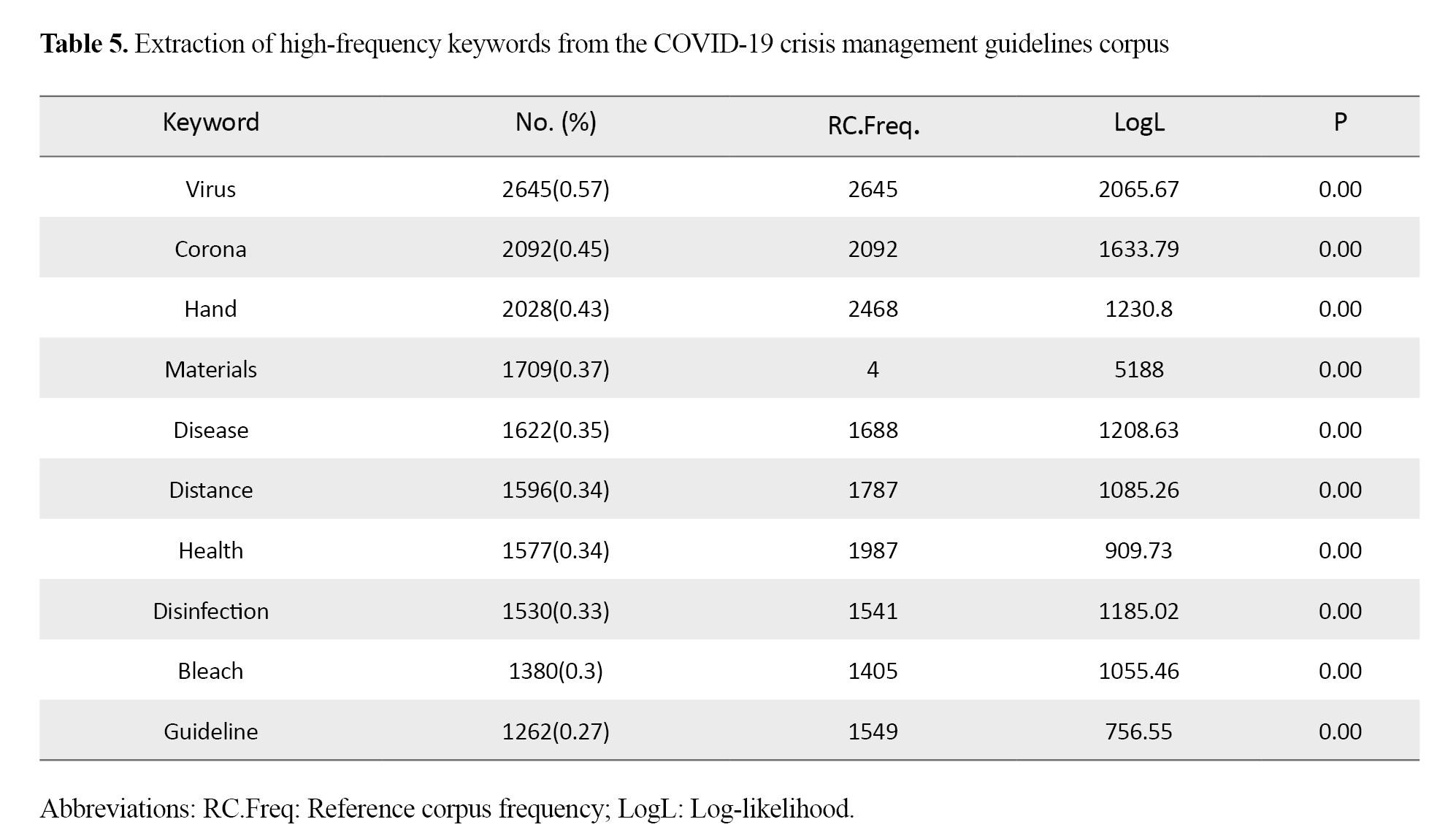
These keywords indicate that the guidelines primarily focused on disease prevention and control.
Analysis of keywords
In this section, the extracted keywords are analyzed through the presentation of concordance lines containing each keyword.
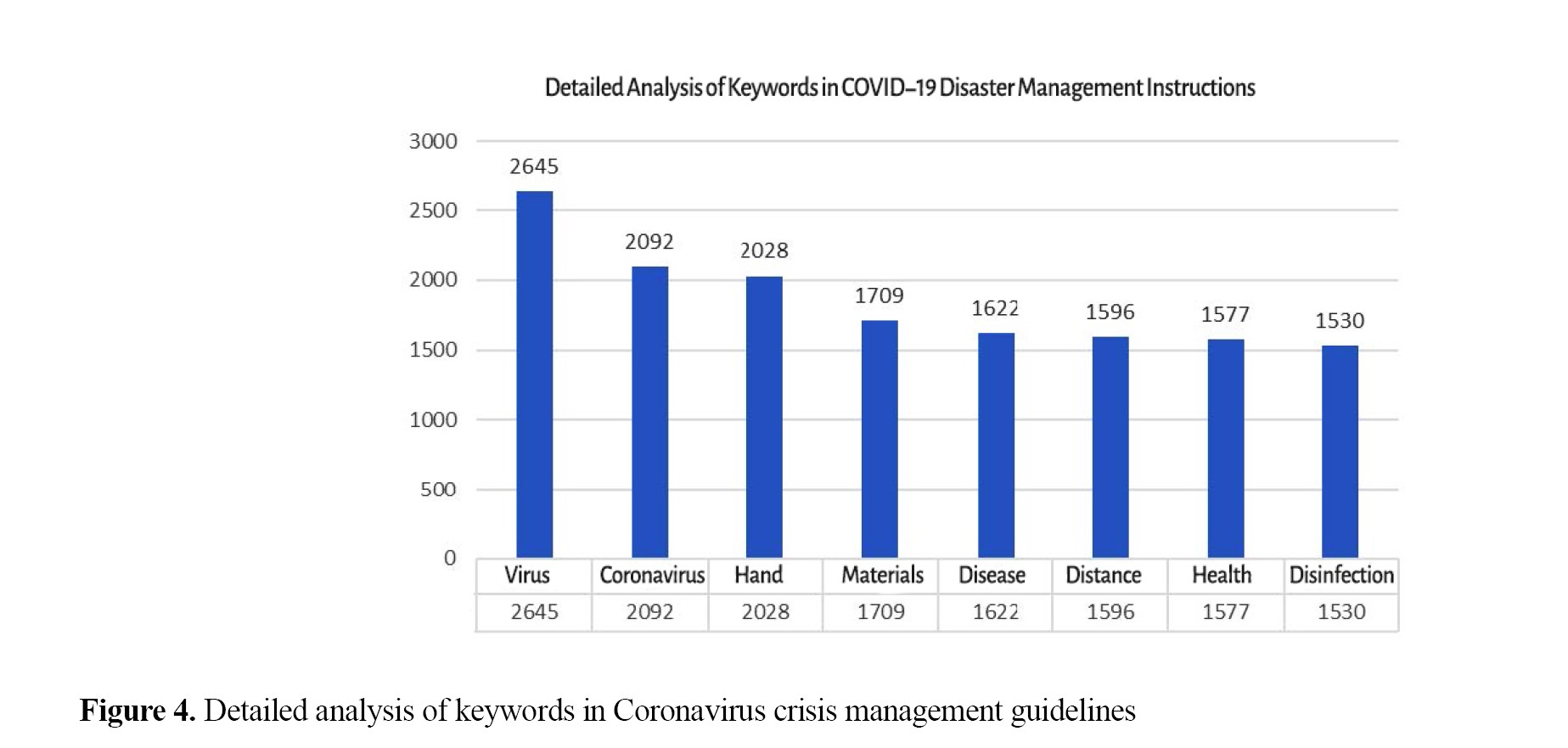
● Virus: With a frequency of 2,645, this keyword is the most frequent due to the viral nature of COVID-19. The concordance lines indicate that the guidelines focus on educating readers about viral transmission and persistence:
○“Training on the duration of virus persistence on surfaces.”
○ “Employers must assess employees’ risk of exposure to the coronavirus.”
○ “Alcohol is effective in eliminating viruses.”
○ “A few days later, after ruling out seasonal influenza, avian influenza, adenovirus, SARS coronavirus, MERS coronavirus, and other pathogens, …”
○ “Adverse outcomes, such as avascular necrosis, diabetes, psychosis, and delayed viral clearance from the body, occur.”
● Corona: With a frequency of 2,092, this word refers to COVID-19 and is used as a shortened form in the texts:
○ “Respected commander of the COVID-19 Disease Management Operations in the Metropolis of Tehran.”
○ “Since the burial of those who died from COVID-19 plays a crucial role in preventing the spread of this infectious disease.”
○ “Installation of warning posters regarding the transmission of COVID-19.”
○ “The global pandemic of the coronavirus has had substantial effects on the social lifestyle and dimensions of people’s lives.»
○ «The purpose of this guide is to provide recommendations and health-related measures aimed at breaking the chain of transmission and preventing and controlling coronavirus in border terminals.»
● Hand: With a frequency of 2,028, this keyword emphasizes handwashing and the use of gloves, reflecting the importance of personal hygiene in prevention:
○ «Installing hand sanitizer containers with stands in appropriate numbers at entrances and exits.»
○ «Providing the necessary facilities for regular handwashing and the use of disposable masks during shifts.»
○ «Training staff on how to use hand sanitizer.»
○ «Hands should be washed with warm water and soap for 20 seconds using the recommended method.»
○ «Avoid touching your eyes, nose, and mouth.»
● Materials: With a frequency of 1,709, this keyword refers to various items, such as disinfectants, food materials, and sanitizing substances:
○ “Unpackaged food must be covered hygienically and stored in appropriate containers.”
○ “Adequate quantities of disinfecting materials should be available to the operator/manager/owner.”
○ “Avoid spraying or pouring disinfectant solutions on surfaces, switches, electrical equipment, and incompatible materials with the risk of explosion or fire.”
○ “Organic materials inactivate bleach; therefore, surfaces contaminated with organic matter must first be cleaned.”
○ “If safe water is not available, use alcohol-based disinfectants.”
● Disease: With a frequency of 1,622, this keyword is highly recurrent because of the disease-causing nature of COVID-19 and the emphasis on its prevention and control:
○ «Given the progression of the disease, within 72 hours the necessary infrastructure for holding technical-executive meetings on combating communicable diseases should be provided virtually.»
○ “According to current knowledge, the disease may range from mild to severe and present with symptoms, such as fever, cough, and shortness of breath.”
○ “Training staff and visitors on the necessary measures to prevent infection.”
○ “Identifying routes of transmission of the causative agent is crucial for disease control.”
○ “Installation of warning posters regarding the transmission of COVID-19.”
● Distance: With a frequency of 1,596, this keyword highlights social and physical distancing as a key preventive strategy:
○ “Social distancing and environmental and occupational health requirements in fruit and vegetable markets.”
○ “Reducing face-to-face contact between employees and customers and maintaining a distance of 1 to 2 meters (at least 1 meter) between them.”
○ “The virus can be transmitted up to a distance of 1.5 meters through coughing or sneezing.”
○ “Workplaces should be arranged so that a safe distance (at least 1 meter) is maintained between people while working.”
○ “Fear and insecurity during quarantine and physical/social distancing are among the most important issues that should be addressed in crisis management.”
● Health: With a frequency of 1,577, this keyword refers to the importance of maintaining public and mental health during the crisis:
○ «The institutions responsible for urban health are numerous and uncoordinated, and their information systems are not integrated or interconnected.»
○ «Many efforts have been made to integrate urban health data, but this has not yet been achieved.»
○ «The prerequisite for this is designing supply, distribution, and storage systems during epidemics, because food safety in such periods is of great importance to citizens.»
○ «Taiwan’s government established a national health command center, which became part of the country’s disaster and crisis management center.»
○ «Communication and consultation in managing the spread of the novel coronavirus require cooperation between government, the health industry, and society.»
● Disinfection: With a frequency of 1,530, this keyword refers to sanitization and cleaning measures aimed at preventing viral spread:
○ “Funeral vehicles should be disinfected, and gloves and other disposable equipment should be safely disposed of.”
○ “Cleaning and disinfection are two separate stages and should not involve any mixing of detergent and disinfectant.”
○ “During disinfection and cleaning, halls should be free of people and doors and windows should remain open.”
○ “The necessity of washing and disinfecting sheets, blankets, curtains, and similar items after each use.”
○ “Continuous disinfection of the terminal’s interior environment and related equipment at least once a day.»
Figure 4 shows the detailed analysis of the keywords extracted from the COVID-19 crisis management guidelines corpus.
Analysis of lexical clusters
Lexical cluster analysis reveals the combinatorial patterns of word sequences in the corpus. For example:
● “Social distancing”: This cluster appears in 156 instances and indicates an emphasis on maintaining physical distance as a key preventive measure.
● “Disinfectant substances”: This cluster is observed in 142 instances and underscores the importance of using chemical agents for disinfection.
● “Hand washing”: This cluster appears in 128 instances and reflects the guidelines’ focus on personal hygiene.
● “Public health”: This cluster is observed in 95 instances and highlights the importance of safeguarding community health during the crisis.
Figure 5 shows the lexical cluster analysis of the coronavirus crisis management guidelines.
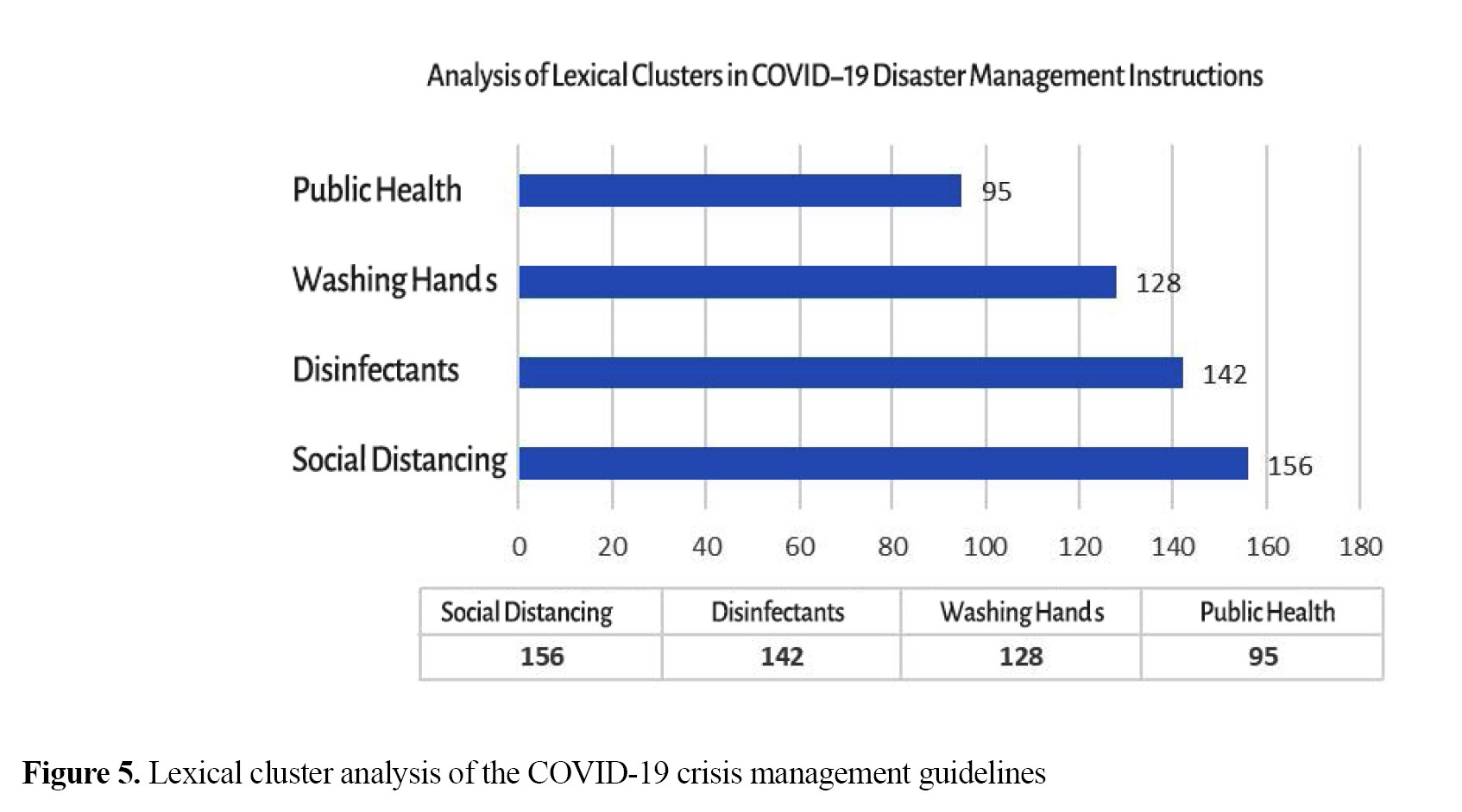
These clusters indicate that the guidelines primarily focus on prevention, personal hygiene, and environmental control. However, the lack of diversity in lexical clusters related to public education or psychological support suggests shortcomings in addressing the community’s diverse needs.
Subsequently, the CADS’s findings were reviewed in joint meetings, during which strategies to improve the written communication patterns of COVID-19 crisis management guidelines were discussed to strengthen crisis communication.
Discussion
The analysis of the 452,624-word corpus revealed that the dominant discourse in the guidelines issued by the Tehran COVID-19 Crisis Management Headquarters was strongly control-oriented and technical–health-focused. The 15 most salient keywords—including virus (2,645), COVID-19 (2,092), hand (2,028), materials (1,709), disease (1,622), distance (1,596), health (1,577), and disinfection (1,530)—all had log-likelihood values exceeding 1,000 and were statistically significant at P<0.0001. These findings indicate an almost exclusive emphasis on individual preventive measures and environmental control. The analysis of collocations and lexical clusters further corroborated this pattern. “Social distancing” (156 instances), “disinfectant materials” (142 instances), “handwashing” (128 instances), and “continuous disinfection” (97 instances) were among the most frequent lexical combinations. By contrast, clusters related to “community participation,” “psychological support,” “public trust,” and “collective responsibility” were virtually absent, each occurring fewer than eight times. A comparison with a general Persian reference corpus comprising contemporary news and literary texts demonstrated that words, such as “order,” “requirement,” “prohibition,” and “fine” were significantly overrepresented in the guideline corpus (log ratio>4), indicating a directive and top-down tone. These patterns clearly demonstrate the marginalization of participatory discourse and a discrepancy between official discourse and the lived experiences of Tehran’s residents.
Overall, the findings present a complex and multilayered picture of the official discourse governing crisis management in the Tehran Metropolitan Area. This discourse largely conceptualizes the COVID-19 crisis as a matter of control rather than as a social issue requiring collective participation. Furthermore, the discursive gap resulting from the marginalization of participation and social responsibility constitutes a major weakness in crisis communication.
Crisis communication theorists maintain that the most effective strategy for managing prolonged crises is to foster a sense of collective ownership and empowerment. Moreover, the identified official discourse appears to conflict with the lived discourse of Tehran’s residents. In their daily lives, citizens encounter more immediate and tangible challenges, including livelihood concerns, dependence on public transportation, high population density, and inadequate access to healthcare services. The guidelines, however, largely overlook these realities and focus almost exclusively on instructing citizens to remain at home. This discrepancy appears to have contributed significantly to widespread noncompliance with health protocols.
Conclusion
Using CADS, this study identified the linguistic patterns and discursive shortcomings of the COVID-19 crisis management guidelines issued by the Tehran Disaster Mitigation and Management Organization. The findings revealed that high-frequency keywords, such as virus, COVID-19, and hand, reflected the guidelines’ primary focus on disease prevention and control. Nevertheless, linguistic complexity, the absence of audience-specific classification, and a lack of terminological standardization reduced the effectiveness of these guidelines. The principal findings of this study are as follows:
● Identification of linguistic patterns: Specialized corpora facilitate the identification of recurring linguistic patterns and frequently used combinations, such as “social distancing” and “disinfectant materials,” which may inform the development of future guidelines.
● Linguistic variation and the need for standardization: Keywords and their derivatives—such as hand, glove, and tissue—demonstrate considerable linguistic variation. However, the inconsistent use of terminology, such as alternative Persian forms of “coronavirus,” has resulted in ambiguity.
● Need for audience segmentation: Guidelines should be categorized and tailored to different target audiences—including the general public, specialists, and managers—to improve their comprehensibility and effectiveness.
● Insufficient attention to psychological and educational dimensions: The absence of lexical clusters related to psychological support and public education indicates a gap in addressing the community’s diverse needs.
● Marginalization of the discourse of participation and social responsibility: The findings indicate that participation and social responsibility are not articulated within a clear, concrete, and operational framework.
● Conflict between official discourse and citizens’ lived experiences: The guidelines appear to overlook everyday realities and focus almost exclusively on staying at home and disinfection practices. This emphasis conflicts with the tangible challenges citizens face, particularly those related to livelihoods and public transportation.
Overall, this study demonstrated that, despite their high technical precision, the guidelines issued by the Tehran COVID-19 Crisis Management Headquarters were of limited effectiveness due to the dominance of a control-oriented discourse, linguistic complexity, and a lack of participatory and trust-building discourses. The identified linguistic patterns not only disregarded citizens’ lived realities—including livelihood concerns, population density, and reliance on public transportation—but also widened the gap between official and public discourse through their directive, top-down tone.
A paradigmatic shift from a control-oriented discourse to a participatory and empowering discourse—as proposed within the framework of Fairclough’s and Freire’s critical theories—requires a fundamental reconsideration of how crisis guidelines are written, disseminated, and evaluated through stakeholder feedback. Accordingly, the findings underscore the need for a paradigmatic transition from a control-oriented approach to a participatory and trust-building discourse in urban crisis management.
Subsequently, with the participation of experts, the following recommendations were developed to improve the management of future coronavirus-related crises by enhancing crisis communication through more effective written guidelines:
● Simplifying the language of the guidelines: Plain and readily comprehensible language should be used for the general public, particularly during crises, when information must be understood rapidly.
● Standardizing terminology: A standardized list of consistent terms should be developed—for example, by adopting a single, uniform form of the term “coronavirus”—to minimize ambiguity.
● Using digital technologies: Educational applications, online platforms, and social media should be utilized to disseminate guidelines and improve public access to information.
● Classifying and tailoring guidelines: Separate guidelines should be developed for different population groups, such as children, older adults, and professionals, according to their specific needs.
● Addressing psychological and social dimensions: Guidelines should include sections on psychological support and public education to help reduce fear and anxiety during crises.
● Employing narrative and storytelling techniques: Real-life stories may be used—while strictly protecting individuals’ privacy—to illustrate how adherence to health protocols has enabled people to protect their own health and that of their families.
● Increasing the use of images, infographics, and symbols: Written content should be supplemented with powerful, standardized visual elements to improve comprehension and retention.
● Establishing rapid feedback mechanisms: Accessible communication channels should be created to receive questions and address ambiguities concerning the guidelines. Such mechanisms can help resolve uncertainties while strengthening public trust and encouraging audience participation.
This study, using the CADS framework, contributes to improving crisis communication and enhancing community preparedness for future crises. Despite its methodological rigor, the present study has several limitations that should be acknowledged. First, the corpus consists exclusively of official guidelines published by the Tehran COVID-19 Crisis Management Headquarters and does not include internal documents, oral communications, or confidential directives. Consequently, it may not fully represent the organization’s overall discourse. Second, because the corpus is monolingual, direct comparisons with crisis-management discourses in other countries were not possible. Third, the analysis focused solely on written texts; therefore, the corpus did not include multimodal components—such as images, infographics, and educational videos disseminated by the Headquarters. Nevertheless, adherence to Lincoln and Guba’s criteria for establishing trustworthiness—credibility, transferability, dependability, and confirmability—together with the use of standard software packages, such as WordSmith and Sketch Engine, peer review, and expert evaluation by members of the Headquarters, helped maximize the validity and reliability of the findings.
Future research could extend this line of inquiry in several directions:
a) The construction of parallel and multilingual corpora to facilitate a comparative analysis of crisis-management discourse in the metropolitan areas of Tehran, Istanbul, Seoul, Singapore, and New York;
b) A multimodal analysis of the guidelines that considers images, color, typography, and graphic layout;
c) An examination of citizens’ discourse on social media—including Twitter/X, Instagram, and Telegram—during the same period to identify more precisely the gap between official discourse and citizens’ lived discourse;
d) Field experiments and survey research to assess the actual comprehensibility of simplified guidelines and rates of compliance with them in comparison with the more complex versions currently in use; and
e) The development of generative artificial intelligence models, including Persian-adapted versions, for the automated production of crisis guidelines written in plain, audience-centered language.
In addition, future studies could employ multilingual corpora, conduct cross-national comparative analyses, or investigate the effects of digital technologies on crisis communication to explore broader dimensions of this issue. It is also recommended that crisis-management organizations collaborate with linguists and communication specialists to develop guidelines that are not only scientifically accurate but also linguistically and culturally appropriate for their target communities. Furthermore, future research should examine citizens’ opinions, questions, and criticisms expressed in online spaces and the media. Such analyses could more precisely identify the gap between official and public discourse and support the development of evidence-based strategies to address it.
Ethical Considerations
Compliance with ethical guidelines
In this study, all ethical principles were observed. No experiments on human or animal samples were conducted. Therefore, no ethical approval code was needed.
Funding
This article was extracted from the PhD dissertation of Seyed Vahid Dashtian-Moghadam, approved by the Department of General Linguistics, South Tehran Branch, Islamic Azad University, Tehran, Iran. This research did not receive any specific grant from funding agencies in the public, commercial, or not-for profit sectors.
Authors' contributions
All authors contributed equally to the conception and design of the study, data collection and analysis, interpretation of the results, and drafting of the manuscript. Each author approved the final version of the manuscript for submission.
Conflicts of interest
The authors declared no conflict of interest.
Acknowledgments
The authors acknowledge the research support provided by the Tehran Disaster Mitigation and Management Organization and the cooperation of all participants.
References
Afzaal, M., & Du, X. (2023). Syntactic complexity in translated eHealth discourse of COVID-19: A comparable parallel corpus approach. Asia Pacific Translation and Intercultural Studies, 10(1), 3-19. [DOI:10.1080/23306343.2023.2226985]
Askari Matin, S., & Rahimi, A. (2013). [Legal discourse analysis: Exploring the role of speech acts in legal contexts (Persian)]. Journal of Language-Related Research, 16, 151–172. [Link]
Baker, P. (2004). Querying keywords: Questions of difference, frequency, and sense in keywords analysis. Journal of English Linguistics, 32(4), 346-359. [DOI:10.1177/0075424204269894]
Baker, P. (2006). Using Corpora in Discourse Analysis. London: Continuum. [DOI:10.5040/9781350933996]
Baker, P. (2010). Sociolinguistics and Corpus Linguistics. Edinburgh: Edinburgh University Press. [Link]
Bamshadi, P., & Ansarian, S. (2014). [The Application of Corpora in some Areas of Linguistics (Persian)]. Research in Western Iranian Languages and Dialects, 2(6), 109-126. [Link]
Baker, P., & Ellece, S. (2011). Key terms in discourse analysis. London: Continuum. [Link]
Chen, C., & Liu, R. (2023). Discrepancies in the portrayal of the COVID-19 vaccine in Chinese and US international media outlets: A corpus-based discursive news values analysis. Global Public Health, 18(1), 2201315. [DOI:10.1080/17441692.2023.2201315] [PMID]
Chen, C., & Liu, R. (2022). How public confidence was established during the COVID-19 pandemic by Chinese media: A corpus-based discursive news value analysis. Frontiers in Public Health, 10, 1012374. [DOI:10.3389/fpubh.2022.1012374] [PMID]
Chung, S. F., & Yen, Y. C. (2024). Xiaosi ‘die laughing’as a discourse marker: A Corpus-based study during the COVID-19 pandemic in Taiwan. The Mental Lexicon, 19(1), 180-188. [DOI:10.1075/ml.24020.chu]
Chunlei, S., & Yuxin, L. (2022). Exploring the discourse of enterprise cyber governance in the COVID-19 era: A sociosemiotic perspective. International Journal of Legal Discourse, 7(1), 53-82. [DOI:10.1515/ijld-2022-2064]
Coppola, D. P. (2011). Introduction to International Disaster Management. Amsterdam: Butterworth-Heinemann/Elsevier. [DOI:10.1016/B978-0-12-382174-4.00018-5]
Freake, R., Gentil, G., & Sheyholislami, J. (2011). A bilingual corpus-assisted discourse study of the construction of nationhood and belonging in Quebec. Discourse & Society, 22(1), 21-47. [DOI:10.1177/0957926510382842]
Freake, R., & Mary, Q. (2012). A cross-linguistic corpus-assisted discourse study of language ideologies in Canadian newspapers. Proceedings from the 2011 Corpus Linguistics Conference, 1-11. [Link]
Foucault, M. (1972). The archaeology of knowledge and the discourse on language [A. M. Sheridan Smith, Trans.]. New York: Pantheon Books. [Link]
Fairclough, N. (1992). Discourse and social change. Cambridge: Polity Press. [Link]
Guba, E. G., & Lincoln, Y. S. (1994). Competing paradigms in qualitative research. In N. K. Denzin & Y. S. Lincoln (Eds.), Handbook of qualitative research (pp. 105–117). California: SAGE Publications. [Link]
Hafner, C. A., Jaworska, S., & Sun, T. (2025). Disciplinary tribes and the discourse of mainstream media expert opinion articles: Evidencing COVID-19 knowledge claims for a public audience. Applied Linguistics Review, 16(1), 7-35. [DOI:10.1515/applirev-2023-0260]
Hamouda, W., Hashmi, U. M., & Omar, A. (2023). Muslim preachers’ pandemics related discourses within social media: A corpus-based critical discourse analysis. Cogent Arts & Humanities, 10(1), 2205729. [DOI:10.1080/23311983.2023.2205729]
Huang, M., Kasim, Z. M., & Ali, A. M. (2025). A Study of Mainstream Malaysian Media’s Attitude and Its Changes on China’s Belt and Road Initiative: A Corpus-based Critical Discourse Analysis (2018-2023). World Journal of English Language, 15(2), 274-274. [DOI:10.5430/wjel.v15n2p274]
Ireland, K. A. (2024). Wash your hands: CDC, WHO, and NHS tweets in the# COVID19 pandemic. Applied Corpus Linguistics, 4(2), 100094. [DOI:10.1016/j.acorp.2024.100094]
Kamalpour, M., Modarres Khiabani, S., & Hejazi, M. J. (2020). [The role of keywords in discourse analysis: A case study of Khassi dar Miqat and Gharbzadegi, two works by Jalal Al-e Ahmad (Persian)]. Journal of Sociolinguistics, 3(11), 55–76. [Link]
Kazempoor Fard, R., & Modarres Khiabani, Sh. (2014). [Corpus-based discourse analysis of the text of Hassan Rouhani’s First Press Conference After His 2013 Election Victory (Persian)]. Proceedings of the 9th Iranian Linguistics Conference, (Volume II), 973–992. [Link]
Khanifar, H., & Askari Matin, S. (2016). [Workplace Discourse Analysis: Role of Relational-Executive Episodes at Work (Persian)]. Organizational Culture Management, 14(3), 759-784. [DOI:10.22059/jomc.2016.58893]
Kheovichai, B. (2022). Collocation and discursive construction of Covid-19 in WHO Director General’s discourse: A corpus-based study. LEARN Journal: Language Education and Acquisition Research Network, 15(1), 10-32. [Link]
Lei, H. (2025). Navigating health communication in China: a corpus-based critical discourse analysis of COVID-19 news from 2020 to 2023. Humanities and Social Sciences Communications, 12(1), 1-13. [DOI:10.1057/s41599-025-04727-w]
Leone, L. (2023). The representations of freedom in The Sun newspaper between 2019 and 2021: A corpus-based study. Topics in Linguistics, 24(1), 43-54. [Link]
Liu, Z., & Bakar, K. A. (2024). Shifting Narratives: A Corpus-based Discourse Analysis of American Media’s Portrayal of China’s COVID-19 Response. 3L: Southeast Asian Journal of English Language Studies, 30(1), 125-141. [DOI:10.17576/3L-2024-3001-10]
Lim, A. (2024). Tracing the smart virus in a smart city: A discursive analysis of Singapore’s early pandemic surveillance response. Urban Geography, 45(10), 1780-1798. [DOI:10.1080/02723638.2024.2336840]
Lü, H., & Zhang, Y. (2023). Critical Discourse Analysis of the RIA Novosti News. Galactica Media: Journal of Media Studies, 5(1), 119-135. [DOI:10.46539/gmd.v5i1.331]
Li, L., & Gao, F. (2023). Contrasting semantic and sentimental features between Chinese and American economic news discourse in the epidemic era: A corpus-based critical discourse analysis. Social Sciences & Humanities Open, 7(1), 100435. [DOI:10.1016/j.ssaho.2023.100435] [PMID]
Li, Z., Zhao, R., & Lou, B. (2023). Corpus-based critical discourse analysis of reporting practices in English news reports on public health event in China and United States. Frontiers in Psychology, 14, 1137382. [DOI:10.3389/fpsyg.2023.1137382] [PMID]
Mohammadi, A. N. (2024). Political framing of Covid-19: From metaphor to moral panic. International Journal of Corpus Linguistics, 29(2), 189-212. [DOI:10.1075/ijcl.22087.moh]
Nasiri, A., Samadi Foroushani, M., Mirasmaeeli, S. S., & Ramak, N. (2022). [Development of COVID-19 Crisis Management System of Tehran Municipality: Combined Approach of Soft Systems Methodology (SSM) and Social Network Analysis (SNA) (Persian)]. Disaster Prevention and Management Knowledge, 12 (3), 6. [Link]
Pan, J. (2025). International Academic Representation of Traditional Chinese Medicine in the Post-COVID-19 Era: A Corpus-Based Exploration. Frontiers in Communication, 10, 1503708. [DOI:10.3389/fcomm.2025.1503708]
Pervukhina, S. (2024). Emotional Context of Newspaper Articles about Covid-19. International Journal of Arabic-English Studies (IJAES), 24(2), 483–508. [DOI:10.33806/ijaes.v24i2.499]
Rostambeyk Tafreshi, A., & Aref Amiri, M. (2016). [A review of the book Using Corpora in Discourse Analysis (Persian)]. Critical Studies in Texts and Programs of Human Sciences, 16(41), 153–173. [Link]
Stubbs, M. (1996). Text and Corpus Analysis: Computer-assisted Studies of Language and Culture. Oxford: Blackwell. [Link]
Scherling, J., & Foltz, A. (2023). The use of certainty in COVID-19 reporting in two Austrian newspapers. Journalism and Media, 4(2), 530-546. [DOI:10.3390/journalmedia4020033]
Scott, W. R. (2008). Approaching adulthood: The maturing of institutional theory. Theory and Society, 37(5), 427-442. [DOI:10.1007/s11186-008-9067-z]
Sameni, S., & Modarres Khiabani, S. (2015). [A corpus-based discourse analysis of the resistance economy policy from the perspective of the Supreme Leader (Persian)]. Communication Research Quarterly, 22(2), 107–121. [Link]
Tognini-Bonelli, E. (2001). Corpus Linguistics at Work. Amsterdam: John Benjamins. [DOI:10.1075/scl.6]
van Dijk, T. A. (1993). Principles of critical discourse analysis. Discourse & Society, 4(2), 249-283. [DOI:10.1177/0957926593004002006]
World Health Organization. (2023). Global strategy on digital health.Geneva: WHO. [Link]
Wen, Z., Liu, M., & Huan, C. (2025). COVID-19 vaccines as a game-changing tool? A corpus-based study of vaccine communication in People’s Daily and The New York Times. Heliyon, 11(2), e42082.[DOI:10.1016/j.heliyon.2025.e42082] [PMID]
Xia, Y., Huan, C., & García Marrugo, A. (2025). Fair or biased? A corpus-based study of Australia’s early COVID-19 media representation of China. Social Semiotics, 35(3), 409-428. [DOI:10.1080/10350330.2024.2341394]
Xia, G., Chen, Y., & Lu, L. (2022). A Corpus‐Based Study of Public Attitudes towards Coronavirus Vaccines. Complexity, 2022(1), 4069896. [DOI:10.1155/2022/4069896]
Yang, L., & Yu, L. (2025). Media’s role in the crisis: A discursive comparison of US media representations of unemployment in 2008 and 2020. Frontiers in Communication, 10, 1581167. [DOI:10.3389/fcomm.2025.1581167]
Yu, L., & Yang, L. (2024). News media in crisis: A sentiment and emotion analysis of US news articles on unemployment in the COVID-19 pandemic. Humanities and Social Sciences Communications, 11:854. [DOI:10.1057/s41599-024-03225-9]
Yu, Y., & Brookes, G. (2024). COVID-19 news in China and the UK: A corpus-based Critical Discourse Analysis of China Daily and The Times. Corpora, 19(3), 285-315. [DOI:10.3366/cor.2024.0315]