Introduction
According to the International Natural Disaster Database, the world has witnessed an increasing growth in the number of natural disasters in recent decades, and given climate change and weather patterns, this trend is likely to continue (EM-DAT Database, 2020). Natural disasters such as earthquakes, floods, and storms have several consequences for societies beyond loss of life and property. One of the important consequences is the production of a huge volume of waste in a short time, the improper management of which can have long-term environmental, health, economic, and social effects. This huge volume of waste disrupts other areas of natural disaster management and reduces the effectiveness of disaster response and recovery efforts (Brown et al., 2011). For example, the 2008 Sichuan earthquake and 2005 Hurricane Katrina generated approximately 381 and 100 million tons of solid waste, respectively, and managing these huge amounts put significant strain on existing systems and slowed down the recovery process (Xiao et al., 2012; Lorca et al., 2017). The capacity of countries to respond to problems after major natural disasters is usually limited; the production of a large volume of waste can be 5-15 times the annual waste production rate of affected countries (Zhang et al., 2019). In some cases, waste disposal may take up to 5 years (Brown et al., 2011).
The measures taken to clean up post-disaster waste during the response phase are time-consuming, costly, and difficult, accounting for about a quarter of the costs of the disaster response phase (FEMA, 2007). Given the significant impact of disaster waste management on other response and recovery operations, it is essential to develop strategies, operational tools, and decision support for post-disaster waste cleanup. The disaster waste management operations typically include collection, sorting, and preliminary processing, transportation, recycling, and finally final disposal; each of these stages has its own limitations and challenges (Caldera et al., 2025a). To facilitate the cleanup process, reference organizations, including the Federal Emergency Management Agency (FEMA), have recommended the creation and operation of temporary disaster waste management sites (TDWMSs) as an operational solution. These sites provide facilities such as temporary storage, sorting and processing, reduce waste volume and time, improve the efficiency of the cleanup system, increase the rate and ease of recycling, and reduce environmental risks and the time it takes to transport waste to recycling centers or final landfills, thereby accelerating the cleanup process (FEMA, 2007; Cheng et al., 2022a). Inefficiency in disaster waste management can have numerous consequences, including health and psychological problems, delayed reconstruction, and increased costs (Brown et al., 2011; Zhang et al., 2019; United States Environmental Protection Agency, 2019; Babbitt, 2019; Nikdoost et al., 2022; Zawawi et al., 2018; Ghorbanzadeh et al., 2020). However, selecting the location of these sites, providing capacity, and allocating resources to them is a complex multi-criteria issue that must simultaneously consider environmental considerations, land ownership, road access, social considerations, and operational constraints (Nikdoost et al. 2022; Habib et al., 2022).
One of the key constraints in implementing post-disaster waste cleanup operations is the weakness or damage of transportation networks, especially when roads and bridges are collapsed or there is insufficient transportation capacity for long distances. In such circumstances, relying solely on road transport can lead to increased waste transport time and cost. Recent studies have shown that combining transportation modes and designing integrated routes can significantly reduce transportation times and costs during disasters and increase the overall resilience of the post-disaster logistics network (Ma et al., 2024; uddin et al., 2019). Multimodal or combined transport (truck-train), in which trucks are used for local collection and trains for long-distance transport, has been proposed as a practical solution to increase waste carrying capacity, reduce costs, and improve logistical resilience (Archetti et al., 2022). Recent studies have emphasized the importance of considering interdependencies between infrastructure (e.g. roads) and potential disruptions to them, as ignoring these dependencies can reduce the efficiency of planning models and make decisions operationally vulnerable (Cheng et al., 2018; Akiyama et al., 2025).
In recent years, research has focused on developing mathematical models and optimization approaches for disaster waste management. Among them, methods such as mixed-integer programming (MIP), multi-stage scenario models, and multi-objective approaches have been proposed to balance economic, environmental, and temporal objectives (Cheng et al., 2021; Xiao et al., 2022). Some studies have also developed decision-making models in the field of human logistics and distribution of relief items, which can be inspiring in the development of disaster waste management models (Narimani et al., 2024; Poornaser et al., 2022). A study developed a mathematical model to determine the optimal location of central and secondary warehouses in a multi-level supply chain for perishable products, with a focus on cost minimization, which can provide an effective approach to designing efficient logistics networks (Mousavi et al., 2024). Also, combining multi-objective optimization (MOO) models with scenario-based risk management approaches, especially in situations where multiple and incompatible criteria (such as costs, risks, and effectiveness) are involved, was recognized in a study as a successful strategy for managing the blood supply chain during the COVID-19 pandemic (Babazadeh et al., 2023). In addition, the use of modern technologies, including artificial intelligence (AI), for waste sorting and improving processing efficiency, has also been investigated in a recent study (Boonmee et al., 2024).
Despite these advancements, several important challenges and gaps in the literature indicate the need for further research. A significant number of studies have focused on road transport, whereas the full benefits of combined transport in post-disaster waste cleanup have been less explored. The integration of risk prioritization approaches for affected areas with a comprehensive multi-objective model that simultaneously considers TDWMS location, operational team allocation, and combined transport planning has also been less investigated in previous studies. Moreover, many existing models assume continuous and healthy access to the transport network and have not studied the simulation of partial or complete disruptions in the road-rail network, while real-world experiences show that such disruptions can have a profound impact on the time and cost of operations and network resilience (Torabi et al., 2016; Ma et al., 2024). Given the increasing occurrence of disasters and the multidimensional impacts of their waste production, the need for comprehensive, operational models that simultaneously encompass location, risk prioritization, and combined transportation planning is evident. Therefore, this study aims to develop an MOO model for post-disaster waste cleanup with a combined transportation approach (truck/train) and the analytic hierarchy process (AHP) method to identify and focus on high-risk areas. The proposed model attempts to balance time and cost objectives, optimize the allocation of multi-purpose debris removal teams, and examine the effects of infrastructure dependencies in numerical scenarios to demonstrate its applicability and sustainability in different disasters.
Literature review
Disaster waste management, as one of the main pillars of crisis management, has received widespread attention from researchers in recent decades. In this area, a major part of the studies has focused on the use of TDWMSs. These sites play a key role in facilitating waste cleanup, reducing operational time and costs, and improving the efficiency of the recycling system. Early research in this field has identified the need for and initial design of such waste management sites (Alziari et al., 1981; Rafee et al., 2008; Karunasena et al., 2012; Oh and Kang, 2013; Brown and Milke, 2016; Amato et al., 2019; Amato et al., 2020; Xiao et al., 2022). Selecting the appropriate location for these sites is a complex, multi-criteria process that requires consideration of geographical, social, environmental, and economic factors. Cheng et al. (2016) and Lee et al. (2022) investigated this issue using a combined MOO and multi-criteria analysis (MCA) approach. Onan et al. (2015) presented a decision-making model in which the location of TDWMSs was selected by simultaneously considering environmental and economic factors. Their framework showed that combining different objectives can lead to increased efficiency of the waste management system. Habib et al. (2017) proposed a two-stage framework; the first step identifies optimal locations using the AHP and fuzzy TOPSIS techniques, and the second step uses mathematical models to allocate waste to these locations.
One emerging method for locating TDWMSs is the use of geographic information systems (GIS). Nikdoost et al. (2022) presented a GIS-based framework for locating TDWMSs. This framework follows the optimization of cleanup operations based on geographical parameters set by the governing bodies, taking into account geographical requirements and spatial and operational constraints. At the same time, it considers health risks, recyclability and social impacts of waste disposal, and focuses on minimizing the impact of uncollected waste on the community and economy of the affected areas. Cheng et al. (2022b), in a study on small disasters, seek to improve the efficiency of waste cleanup in the response phase of disaster management. They aimed to minimize the total cost and time of waste cleanup by optimizing the relevant operations. A multi-period two-echelon location routing model was used. This model helps in deciding on the location of TDWMSs and vehicle routing, which includes optimizing three key processes: routing waste collection from affected areas to TDWMSs, cycles of collection vehicles between TDWMSs without the need to return to the depot, and routing waste transport from TDWMSs to recycling and final disposal sites. To model and solve this complex model, they used MIP and genetic algorithms.
Recent research has highlighted the importance of considering the risk of disruption to access to TDWMSs. Habib et al. (2022) showed that, unlike many previous studies where TDWMSs were assumed to be always available, these locations may become inaccessible due to road blockages or infrastructure damage. They developed a two-stage model, first selecting sites and then allocating waste, and presented a solution to deal with these problems. This risk-based perspective is in line with recent studies that emphasize the resilience of transportation systems during disasters (Ma et al., 2024; Uddin et al., 2019; Akiyama et al., 2025). Cheng et al. (2021) introduced a MIP-based model that optimizes four main waste management operations (demolition, collection, processing, and transportation) in an integrated manner. Their model showed that optimal selection of TDWMSs and appropriate sequencing of operations can lead to significant reductions in total time and cost. Xiao et al. (2022) presented a two-level model that includes decisions about the location of processing facilities, the deployment of demolition resources, and the allocation of vehicles. The main goal of their model was to simultaneously reduce cost, time, and environmental impacts, and the results showed that two-level approaches can provide greater flexibility in responding to critical situations.
Some research has addressed the issue of combined transport management in the waste chain under non-hazardous conditions. Tonneau et al. (2015) developed a linear programming model for the supply chain of non-hazardous waste that incorporated processing operations such as compaction. This model, based on a case study of the Brangeon company in France, reduced logistics costs by 14.7% through the combination of road and rail transport. The importance of their study lies in demonstrating that multimodal transport approaches, even in non-disaster situations, can be effective for optimal waste management and can be applied in natural disasters.
In more recent studies, the focus has become more pronounced on improving the resilience of multimodal transport networks for post-disaster waste management. For example, studies by Ma et al. (2024), Uddin et al. (2019), and Pan et al. (2025) emphasized the benefits of combining transportation modes and designing hybrid networks in disaster situations. Caldera et al. (2025b) emphasized the role of industry managers and decision-makers in promoting community resilience by presenting a comprehensive framework for disaster waste management. There are also studies that have designed similar models in the field of human supply chains, which can be methodologically extended to disaster waste management. For example, Narimani & Motamedi, 2023; Narimani et al., 2024 and Poornaser et al. (2022) developed models for the distribution of relief items using scenario-based MOO approaches. Babazadeh et al. (2023) and Babazadeh Rafiee et al. (2024) presented a model for risk management in the blood supply chain during the COVID-19 pandemic, which is conceptually applicable to disaster waste management. These studies represent a shift in research toward more comprehensive and realistic models that simultaneously consider risk, cost, and time. Another important point is the use of new technologies in disaster waste management. Boonmee et al. (2024) used an AI-based system for waste classification and to improve processing efficiency. Also, recent studies in the field of resilience have shown that considering interdependencies between transportation and waste disposal processes can influence the estimation of cleanup time and the quality of decision-making (Akiyama et al., 2025; Caldera et al., 2025a).
Overall, the literature review shows that disaster waste management, as an interdisciplinary field, has been studied in various aspects such as locating TDWMSs, designing optimization models, applying GIS-based systems, integrating new technologies, and risk-based approaches. Many studies have focused on the location and design of TDWMSs, but in many of these studies, only road transportation has been considered, and the benefits of combined transportation (such as truck/train) have received less attention. Also, although recent research has addressed the importance of transportation network resilience and infrastructure disruptions, a comprehensive examination of how these disruptions affect the efficiency of waste management models remains limited. On the other hand, few studies have developed comprehensive multi-objective models that simultaneously address conflicting criteria such as time, risk, and cost within an integrated framework. In the studies by Cheng et al. (2021) and Xiao et al. (2022), the focus was on employing independent teams to demolish damaged buildings. In our study, debris removal teams are considered multi-purpose teams that simultaneously handle responsibilities such as hazardous waste management, demolition of damaged buildings, and waste and debris sorting. This approach is more consistent with the field realities of post-disaster operations, as relief and rescue units often have combined tasks. In addition, the use of risk prioritization approaches for affected areas, along with waste logistics optimization, has still not been studied in systematic and integrative manners. On the other hand, the use of a multimodal transportation system in this research reduces waste transportation time and costs and can play an effective role in optimizing the process of locating TDWMSs, recycling sites, and landfills. The present study aims to address research gaps by presenting an MOO model that incorporates TDWMS locating, risk prioritization, and multimodal truck/train transportation. This framework, in addition to considering time, risk, and cost, allows for more realistic decision-making. The proposed model is a strategic planning tool with real-world applicability that helps crisis managers allocate resources and improve the resilience of the post-disaster logistics network.
Materials and Methods
Problem definition
The problem in this study was the allocation of debris removal teams/scheduling of debris removal and waste collection/transportation after a disaster. This problem is defined in two main stages, including debris removal operations and waste collection/transportation. In formulating this problem, attention was paid to the existing risks classified into five categories: Life risk, environmental pollution, psychological impacts, disruption of economic activity, and waste-related accidents. In each operational stage, the allocation of debris removal teams and the scheduling of debris removal are based on the results of the risk assessment and prioritization for the affected areas, with higher-risk areas being prioritized.
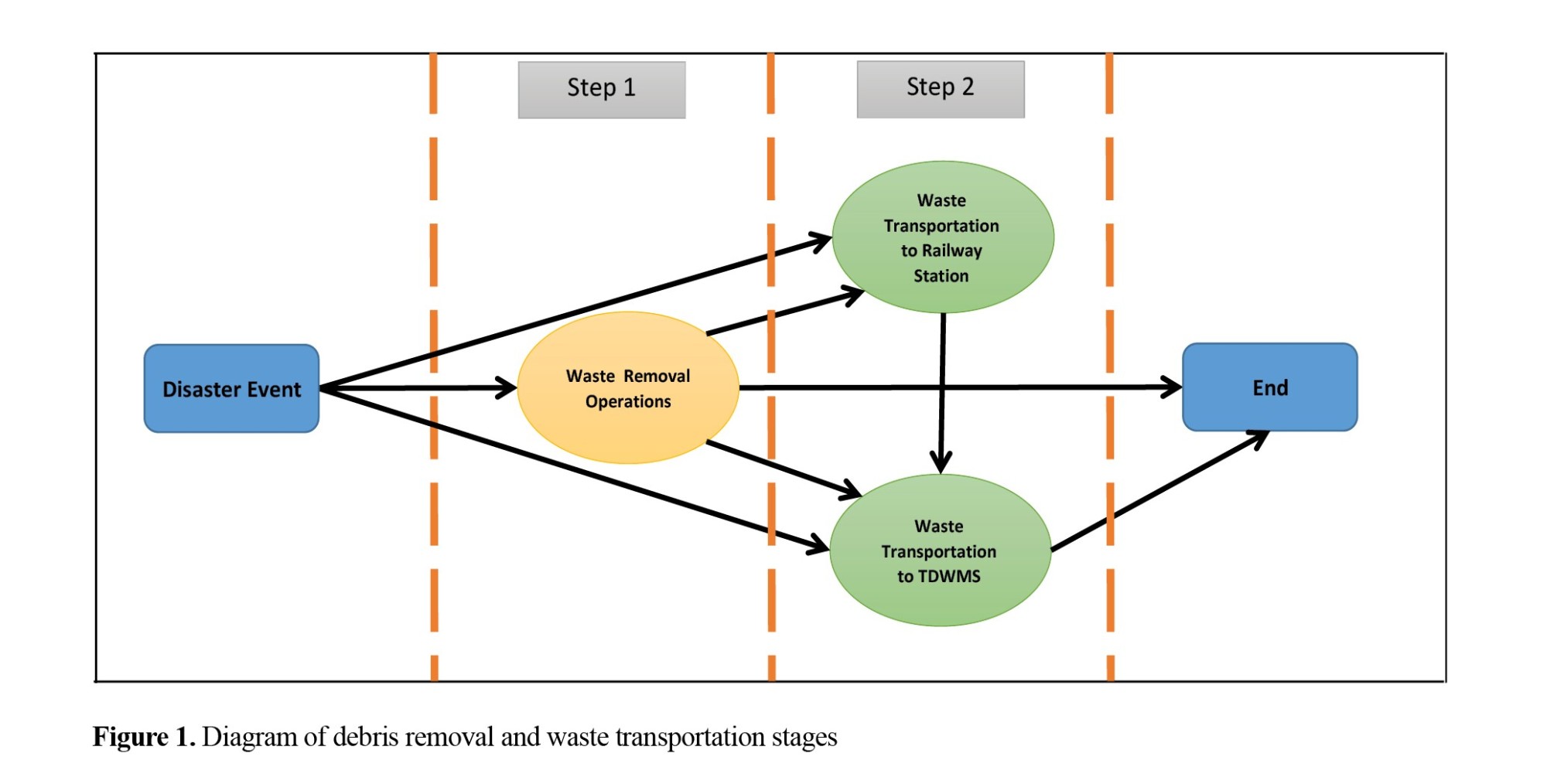
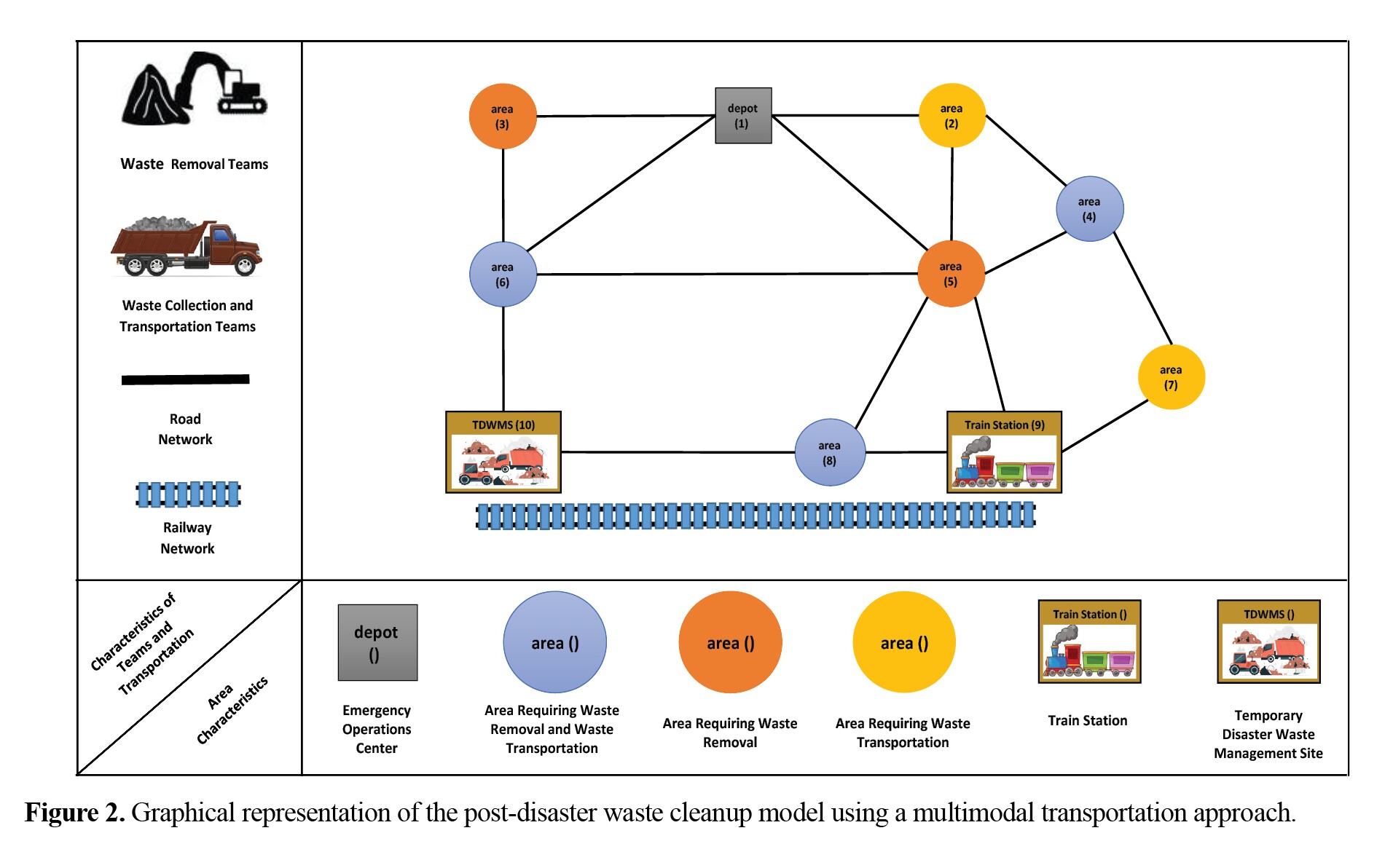
The sites involved in this problem included the crisis management center (Depot), areas requiring debris removal, areas requiring waste collection/transportation, areas requiring both debris removal and waste collection/transportation, train stations, and TDWMSs. After a disaster, relief teams are dispatched from the depot. In some situations, due to the entanglement of debris and waste, direct loading and transportation are not possible. In such cases, debris removal teams are responsible for separating the waste and debris, securing the environment, and eliminating potential hazards. To improve the efficiency of waste cleanup, a multimodal transportation system (truck/train) was used. Waste collection/transportation teams use this method to collect and transport post-disaster waste. For waste transportation, two options were set: (a) initial transport to the train station by truck, followed by transport to the TDWMS by train, (b) direct transport to the TDWMS by truck without rail transport. It should be noted that equipping with machinery and facilities required for loading waste, using train stations, and constructing each of the TDWMSs requires specific costs.
The problem will continue until all debris removal and waste transportation operations in the affected areas are completed and the teams return to the depot. The objective functions in this problem include minimizing the time to complete the debris removal operation and transportation of waste to TDWMSs (considering the risk of the areas), minimizing the costs of waste transportation, minimizing the costs of dispatching rescue teams, and minimizing the costs of equipping and using train stations and constructing TDWMSs. Figure 1 shows a diagram of debris removal and waste transportation stages, and Figure 2 presents a graphical representation of the post-disaster waste cleanup model using a multimodal transportation approach.
 Assumptions
1) Multiple relief teams cannot serve in the same affected area at the same time. 2) The time for debris removal and waste transportation depends on the capability of the relief teams. 3) Waste transportation is multimodal (road and rail transportation). 4) The location of TDWMSs is determined in advance.
Waste transportation from each area is possible after the relief teams have completed their debris removal.
1) Waste from areas that do not require separation can be transported directly. 2) The waste transportation capacity of vehicles is limited and specified. 3) The volume of waste in each area can be estimated. 4) The time required for debris removal in each area can be predicted. 5) The relief priority is determined for each area based on the levels of damage and the importance of the affected areas. 6) The loading and unloading time for each waste transport team in each area is determined. 7) The travel time for each route between areas can be estimated for each team. 8) Train stations are part of the multimodal transport system that remains usable after disasters and not intended to be demolished.
Mathematical model
In this section, the indices, inputs, and decision variables are presented, and the objective function and constraints are explained separately.
Indices
1) Areas requiring debris removal (i, j=1,…,Nr); 2) Areas requiring waste collection/transportation (o, p= 1,…,Nc); 3) Train stations (r=1,…,R); 4) TDWMSs (s= 1,…,S). 5) Debris removal team (k=1,…,K); 6) Waste collection/transportation team (l=1,…,L).
Inputs
1) M=Large number; 2) Wrj=Risk level of the affected area j in the debris removal phase; 3) Wcp=Risk level of the affected area p in the waste collection/transportation phase; 4) Prkj= Estimated time (min) of debris removal for the area j by team k
1) Pcrlpr=Estimated time (min) to transfer waste from the area p to the train station r by team l; 2) Pcrlps=Estimated time (min) to transfer waste from the area p to the TDWMS s by team l; 3) Drkij= Estimated time (min) to travel the distance from the area i to the area j by team k; 4) Dclop= Estimated time (min) to travel the distance from the area o to the area p by team l; 5) Dcrlor= Estimated time (min) to travel the distance from the area o to the train station r by team l; 6) Dcslos= Estimated time (min) to travel the distance from the area o to the TDWMS s by team l; 7) WVp= Estimated waste volume (tons) in the area p; 8) CCAPl = Waste carrying capacity (in tons) per transport for team l; 9) LTl= Estimated waste loading time (min) per transport for team l; 10) UTl= Estimated waste unloading time (min) per transport for team l; 11) costrk= Cost of traveling per kilometer by team k during the debris removal phase; 12) costcel= Cost of traveling (unloaded) per kilometer by team l during the waste collection/transportation phase; 13) costcfl= Cost of traveling (loaded) per kilometer by team l during the waste collection/transportation phase. 14) costtrs=Cost of transporting waste per ton of waste by train from station r to TDWMSs; 15) coster=Cost of equipping the train station r if it is used; 16) costss=Cost of constructing a TDWMS
Decision variables
1) FTrkj=Time (min) to complete the debris removal in the area j by team k; 2) FTcpl=Time (min) to complete waste transport from the area p by team l; 3) NTSlp= Number of waste transportation services from the area p by team l; 4) Zrkj=1, if the team k is assigned to the area j; otherwise, consider it 0; 5) Zclp= 1, if the team l is assigned to the area p; otherwise, consider it 0; 6) Xrkij= 1, If the team k goes to the area j after completing the debris removal of the area j; otherwise, consider it 0; 7) Xclop=1, If the team l goes to the area p after completing the waste transportation from the area o; otherwise, consider it 0; 8) Xcrlor=1, If the team l transports the waste of the area o to the train station r; otherwise, consider it 0; 9) Xcslos =1, If the team l transports the waste of the area o to the TDWMS s; otherwise, consider it 0; 10) URlrp=1, If the team l goes to the area p after transporting waste to the train station r; otherwise, consider it 0; 11) USlsp=1, If the team l goes to the area p after transporting waste to the TDWMS s; otherwise, consider it 0; 12) Qklj= 1, if the teams k and l is assigned to the area i; otherwise, consider it 0; 13) ALRr=1, if the train station r is used; otherwise, consider it 0; 14) ALSs=1, if the TDWMS s is built; otherwise, consider it 0; 15) Yors=1, if the waste from the area o is transported by train to the TDWMS s after being transported to the train station r; otherwise, consider it 0
Objective functions
We defined two objective functions for the problem as Equation 1:
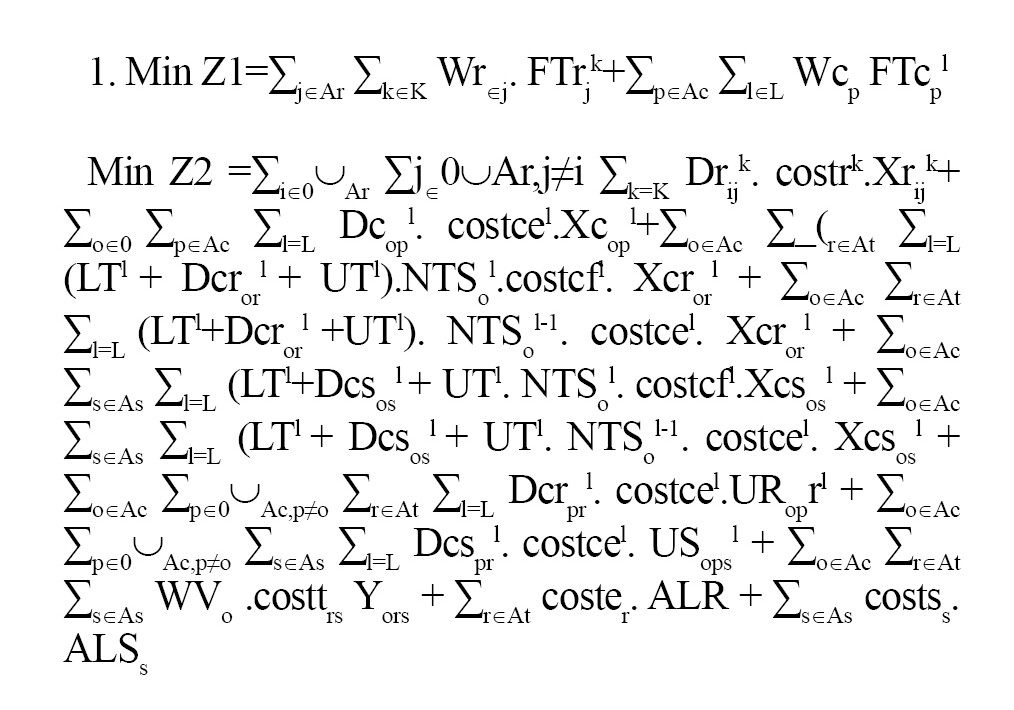
The first objective function minimizes the sum of the time taken to complete the debris removal and waste transportation operations multiplied by the risk level of each area. This approach aims to prioritize high-risk areas and reduce the risks caused by delays in waste collection. The second objective function focuses on minimizing the costs associated with transporting debris removal and waste collection teams, transporting waste by rail, as well as the costs associated with equipping train stations and building TDWMSs.
Contraints

According to Equation 2, each area can be served only by one debris removal team.

According to Equation 3, after completing the operation in each area, the team k moves to the next area for debris removal.

According to Equation 4, the debris removal team k can leave the depot at most once.

According to Equation 5, the debris removal team k can enter the depot at most once.

Equation 6 defines the assignment of the debris removal team k to the area j.
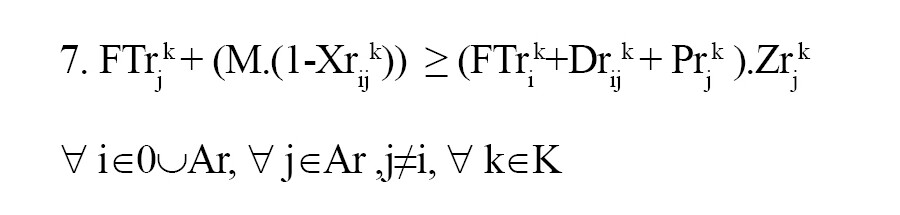
Equation 7 defines the time for the completion of debris removal in the area j, when it is done immediately after the area i by the team k.

According to Equation 8, the time to complete the debris removal operation in the area i is non-negative.

According to Equation 9, each area only be served can by one waste collection/transportation team.

According to Equation 10, after completing the operation in each area, the team l moves to the next area for waste collection/transportation.

According to Equation 11, the waste collection/transportation team l can leave the depot at most once.

According to Equation 12, the waste collection/transportation team l can enter the depot at most once.

Equation 13 defines the assignment of the waste collection/transportation team l to the area p.
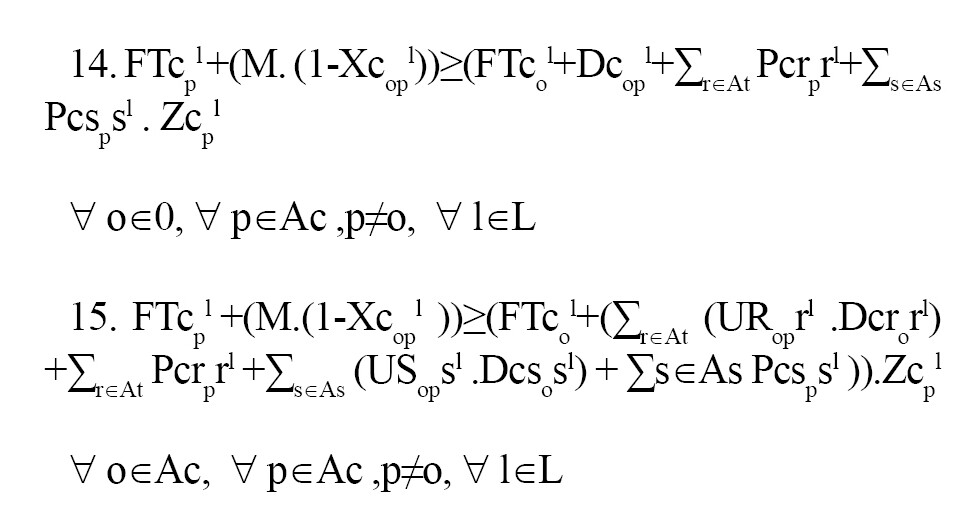
Equations 14 and 15 define the time for the completion of waste collection/transportation in the area p, when it is done immediately after the area o by the team l.

According to Equation 16, the time to complete the waste collection/transportation operation in the area o is non-negative.
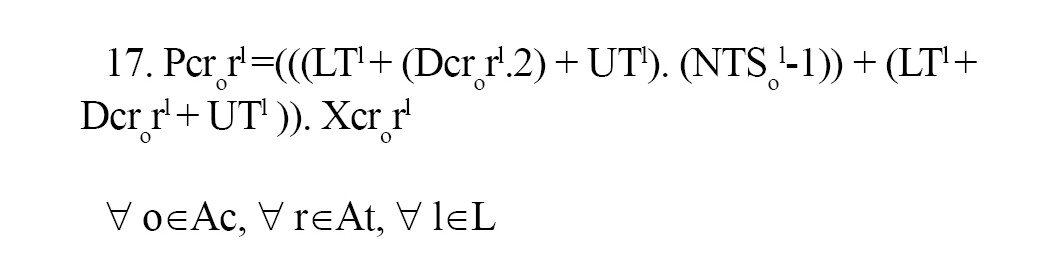
Equation 17 defines the time taken to collect and transport waste from the area o, which is transported by the team l to the train station r.
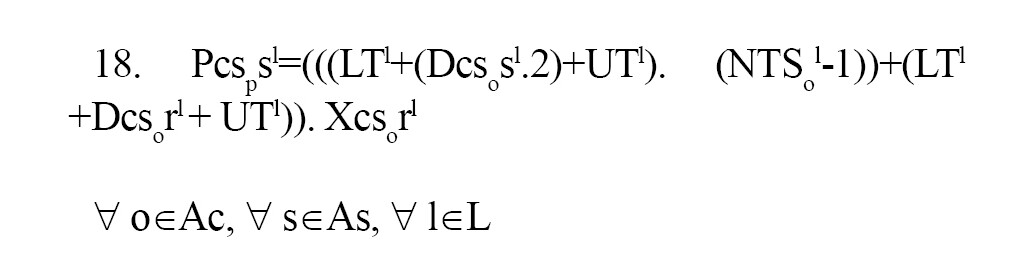
Equation 18 defines the time taken to collect and transport waste from the area o, which is transported by the team l to the TDWMS s.
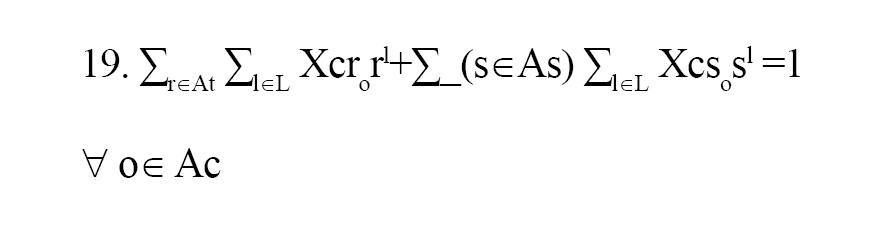
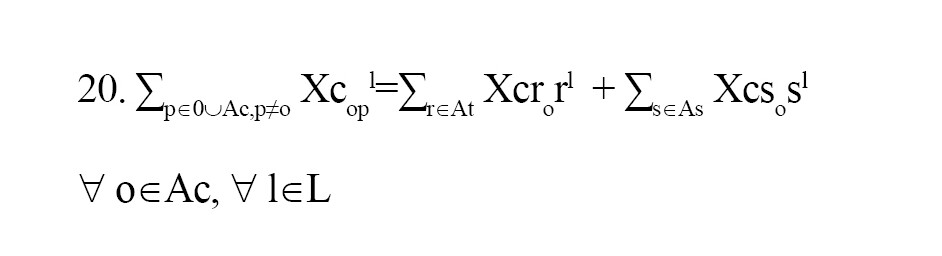
According to Equations 19 and 20, the waste from the area o is transported directly to the train station or to a TDWMS.
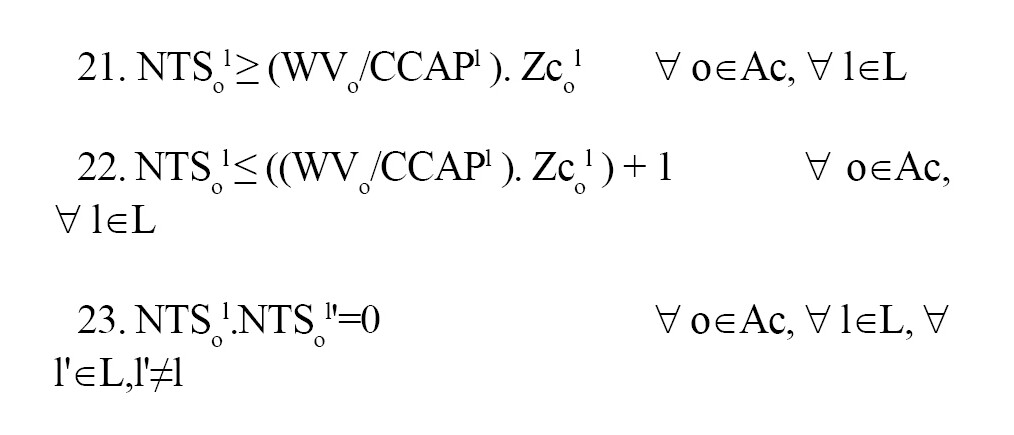
Equations 21, 22, and 23 define the number of transport services from the area o by the team l for the wastes that should be transported.
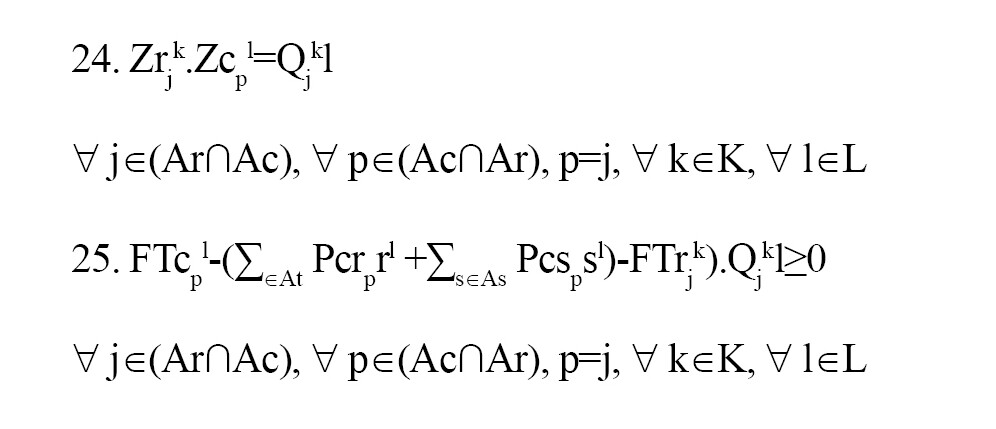
Equations 24 and 25 show that waste collection/transportation in the area j takes place after the completion of debris removal.
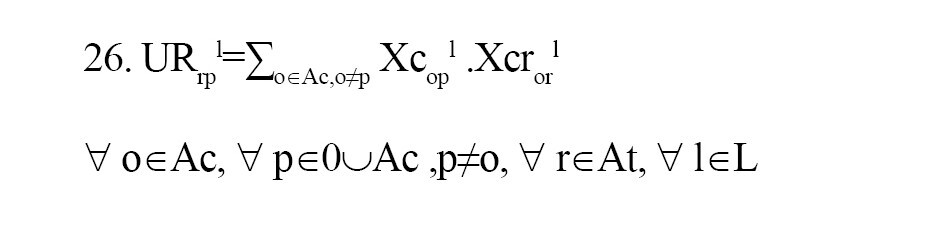
According to Equation 26, the team l, after transporting the waste to the train station r, goes to the area p.
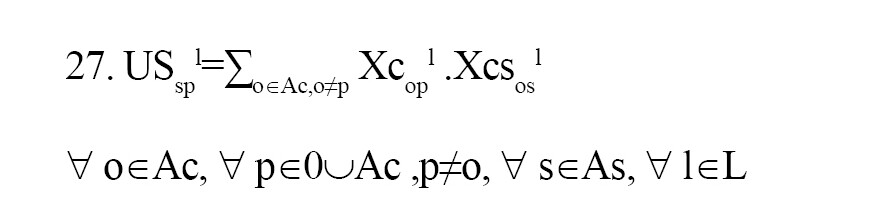
According to Equation 27, the team l, after transporting the waste to the TDWMS s, goes to the area p.

According to Equation 28, if a team transports waste from the area o to the train station r, it should be transported from the train station to a TDWMS.

Equation 29 determines whether the train station r is used or not.

Equation 30 determines whether the TDWMS s is constructed or not.
Risk assessment and prioritization
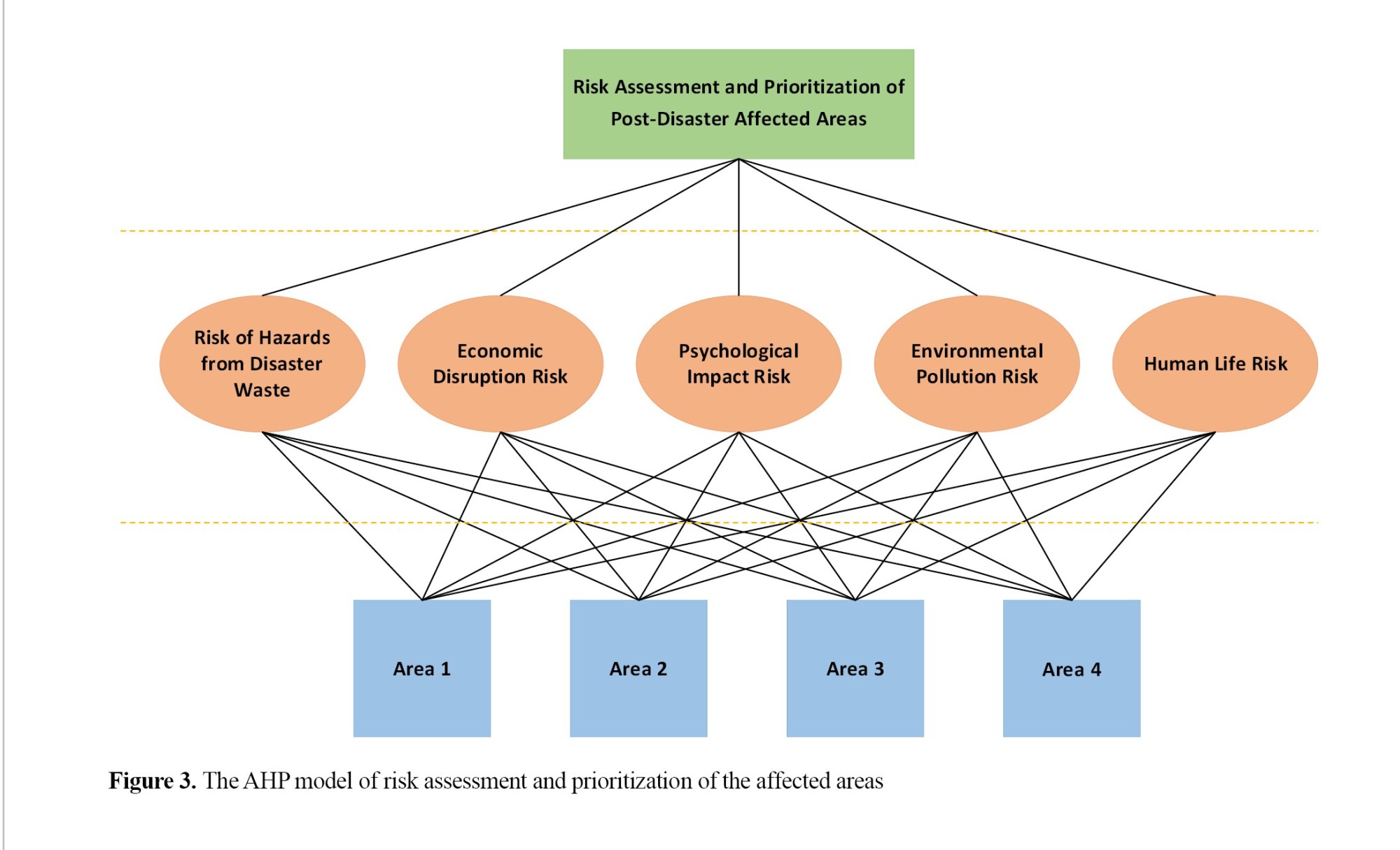
In this study, the AHP was used to assess and prioritize the risk level of affected areas after the disaster. The AHP is one of the well-known and reliable methods in the field of multi-criteria decision making, developed by Thomas Saaty in the 1970s. The AHP model designed in this study (Figure 3) consists of three levels: Goal (as the first level, it includes the risk assessment and prioritization of the affected areas post-disaster), criteria (as the second level, it includes five key criteria: life risk, environmental pollution, psychological impacts, economic disruption, and risks from disaster waste), and alternatives (as the third level, it includes four affected areas as evaluation options).
 Risk criteria
The five risk criteria (life risk, environmental pollution, psychological impacts, economic disruption, and risks from disaster waste), were selected after a comprehensive review of 20 related studies on natural disaster waste management (Table 1).
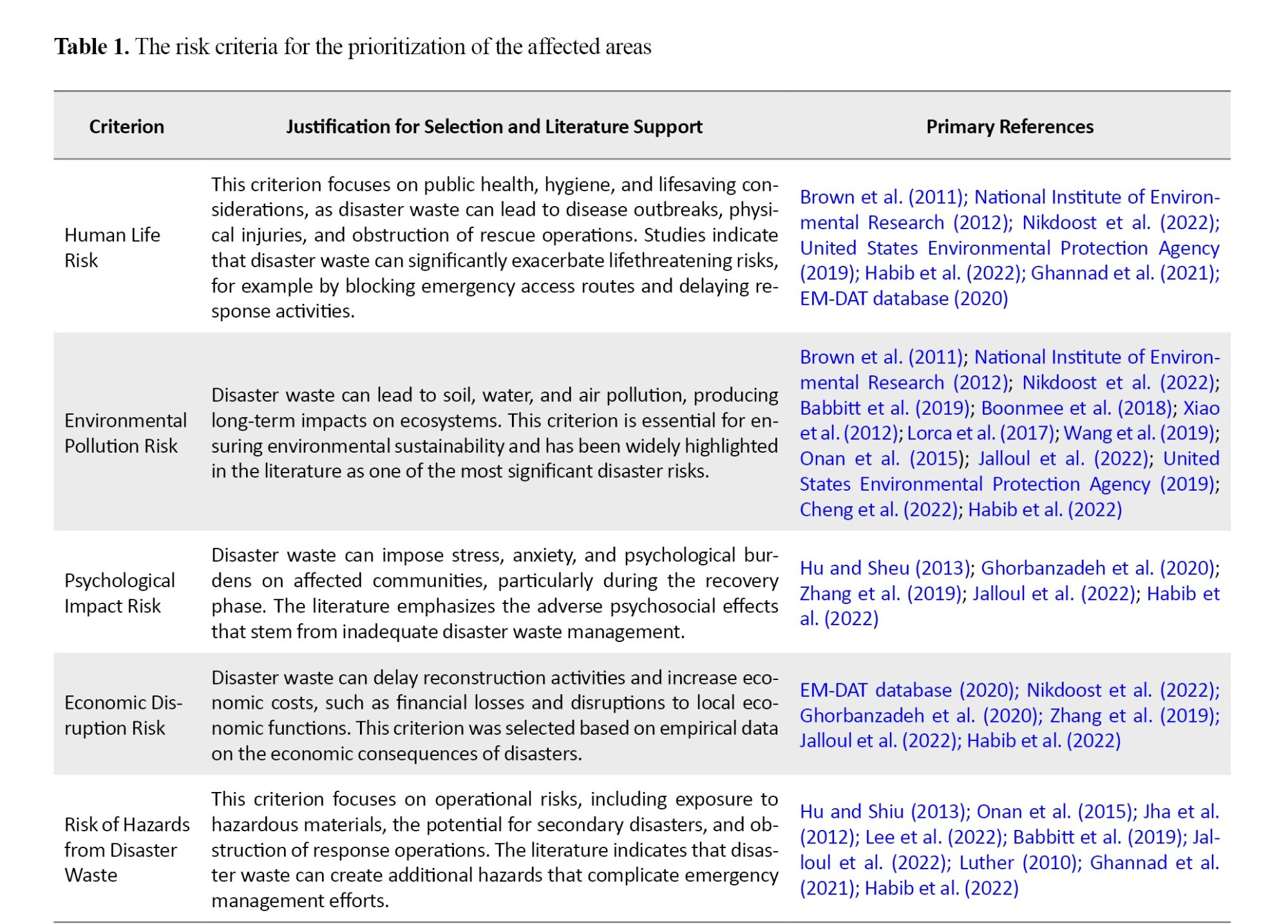
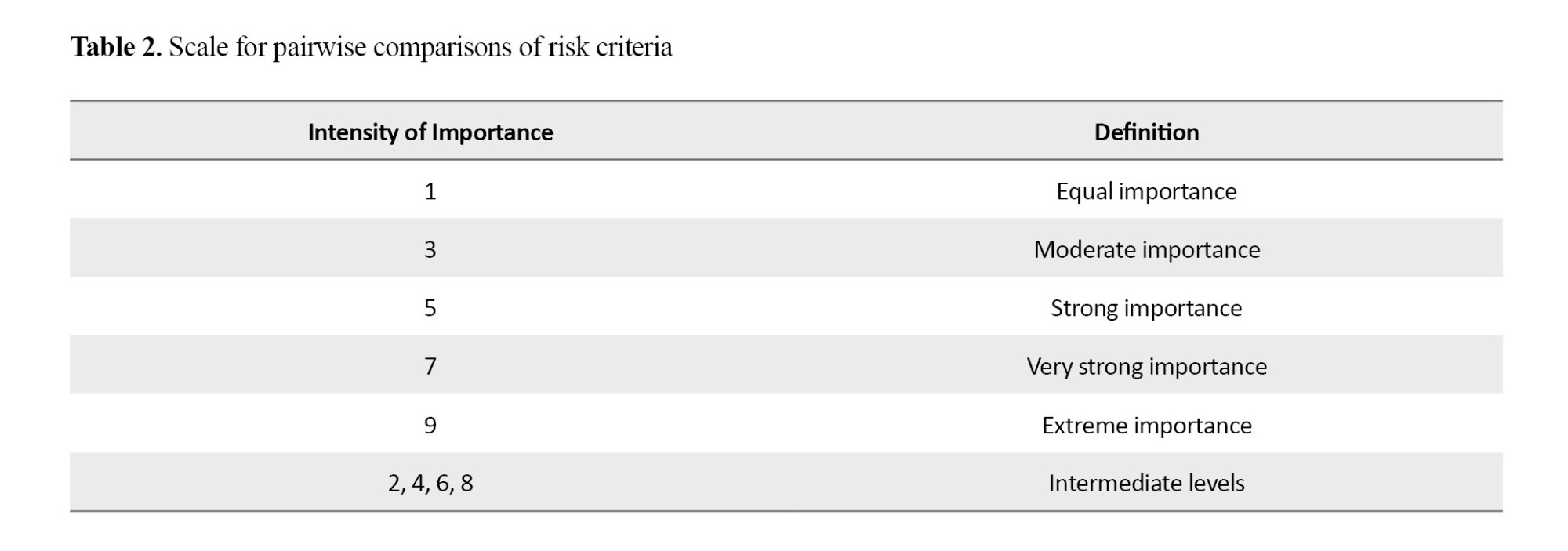
They were selected to cover human, environmental, social, economic, and operational dimensions, ensuring that the prioritization of risks is comprehensive and based on scientific evidence. The hierarchical levels using the AHP method were determined through pairwise comparisons based on Saaty (2008)’s 1-9 scale (Table 2).
The pairwise comparison matrix was prepared based on the opinions of 20 experts in the fields of crisis management, environment, safety, local economy from Golestan province, and professors from Mazandaran University of Science and Technology, who were selected via snowball sampling. They had at least 10 years of experience in the related field. To conduct pairwise comparisons of risk criteria, flooded areas in Golestan province (Gorgan city and Aqqala county) were selected as the sample. To aggregate the data, the geometric mean values given by the experts was used. The pairwise comparison matrix is shown in Table 3.
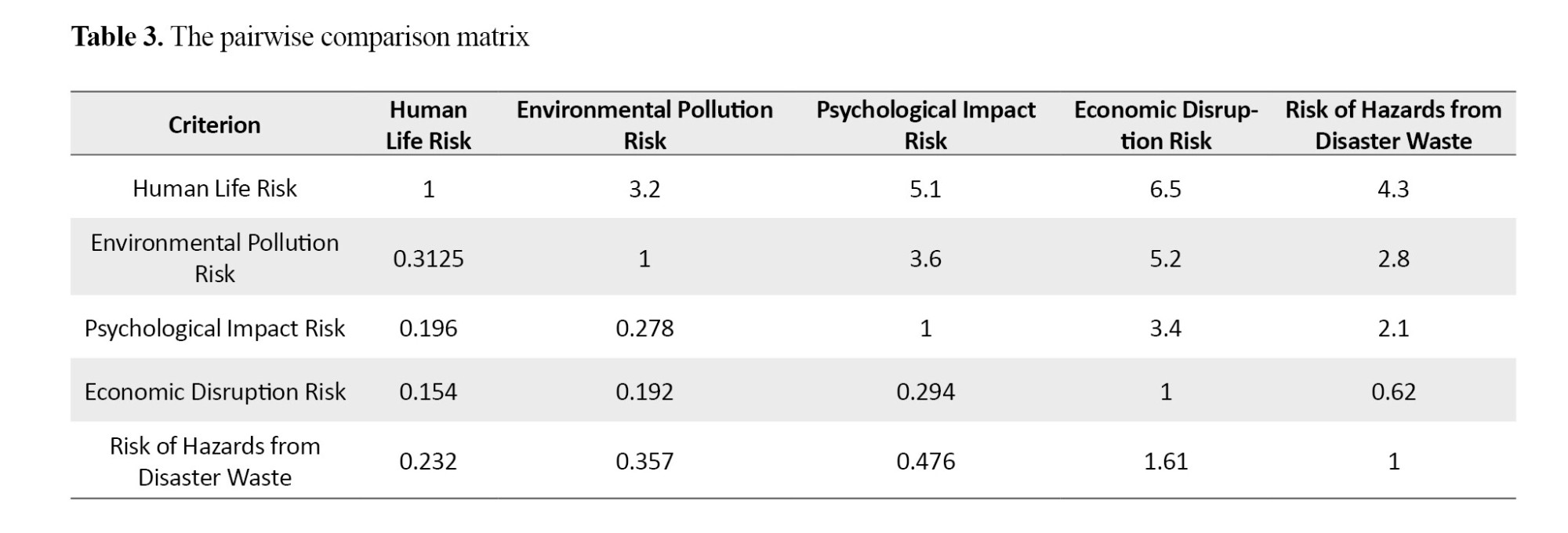
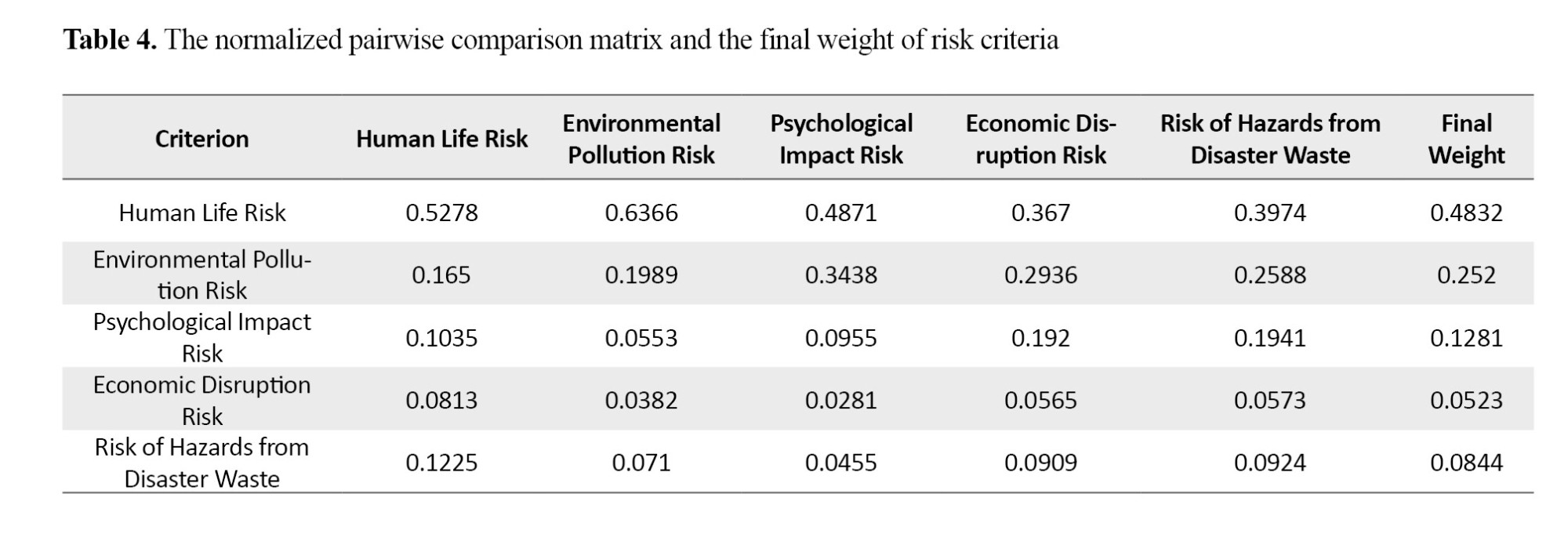
Next, the inconsistency rate of each of the comparison matrices was calculated. The value should not be greater than 10% (Saaty, 1980). Then, the matrix was normalized and the final weight of the criteria was obtained by averaging row entries, which is reported in Table 4.
 The scenarios for solving the problem
In this study, 7 problems of varying sizes were identified that represent areas requiring debris removal, waste transportation, train stations, TDWMSs, and relief teams; the details are presented in Tables 5 and 6.
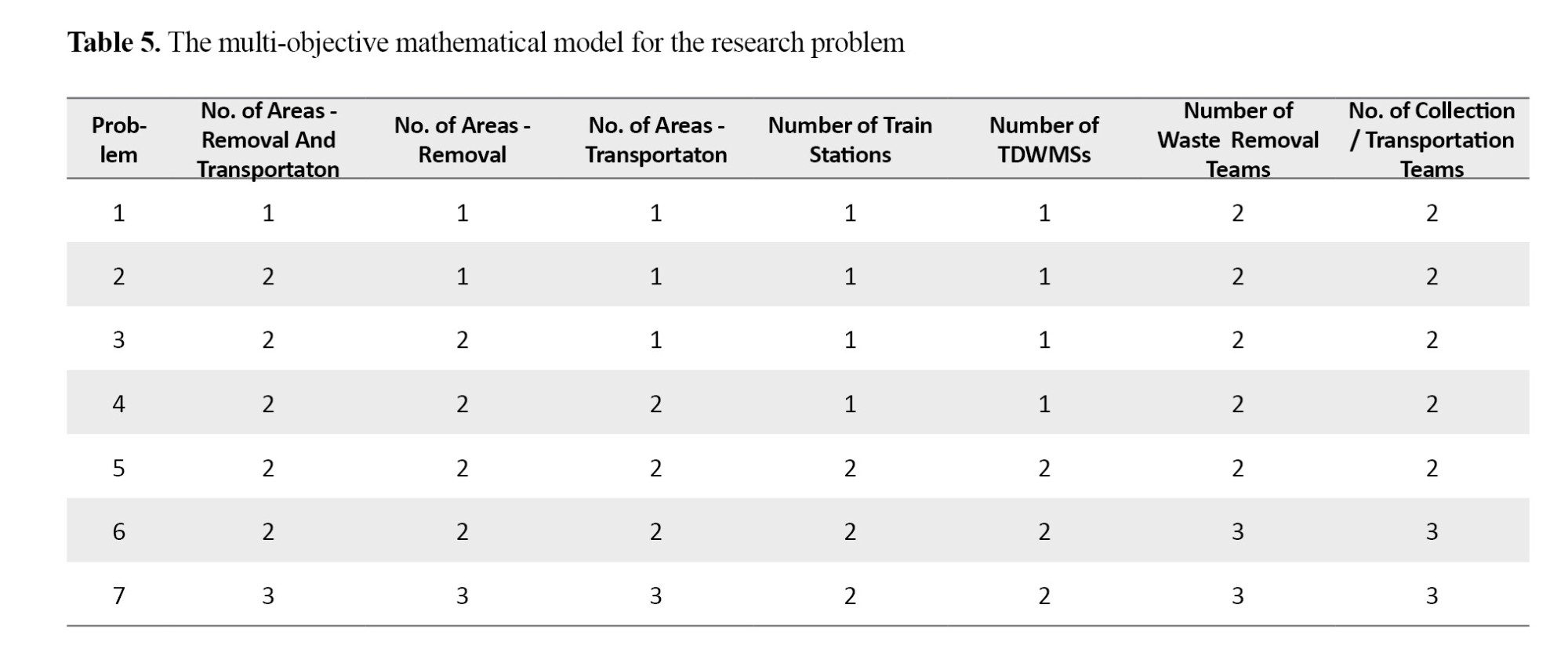
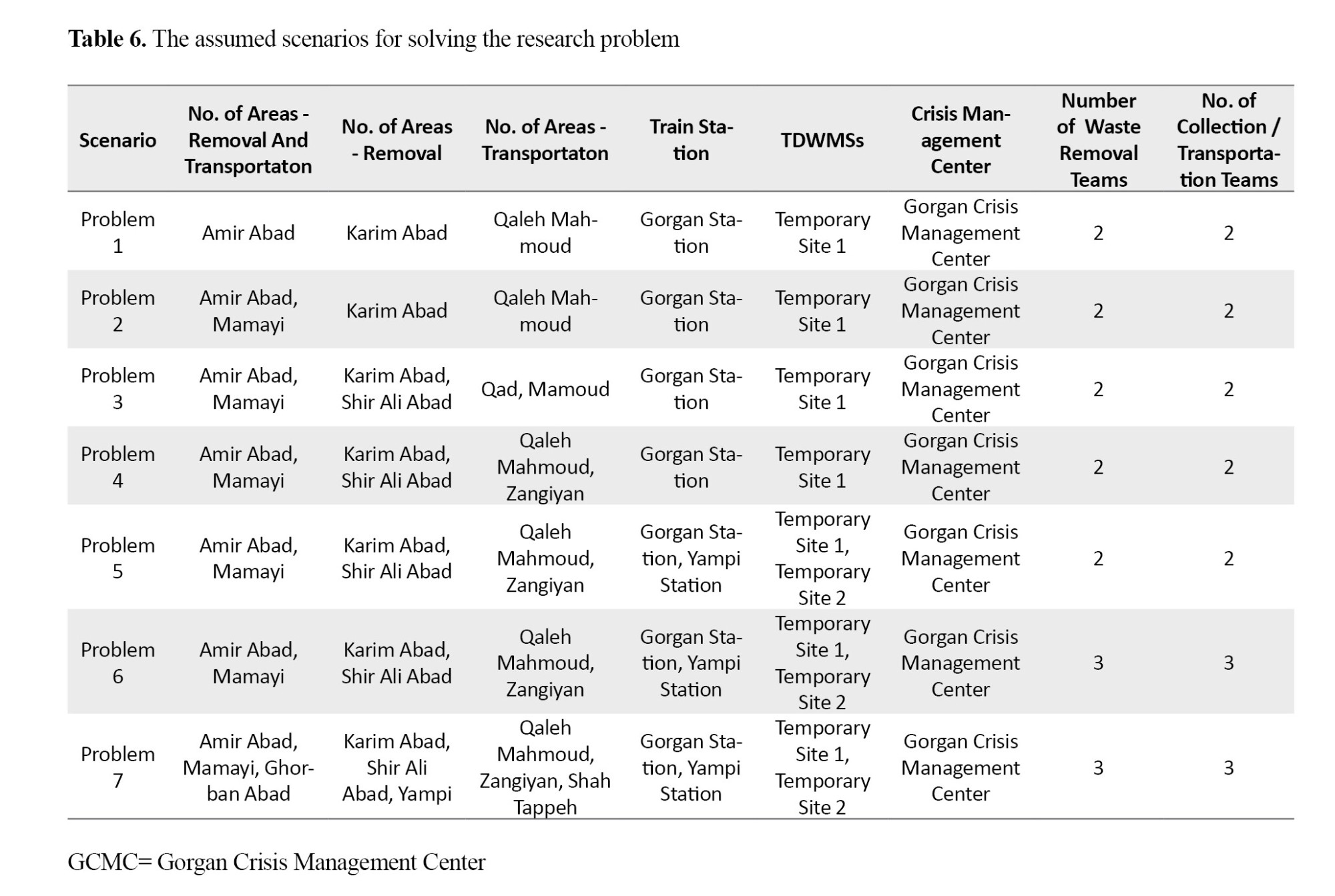
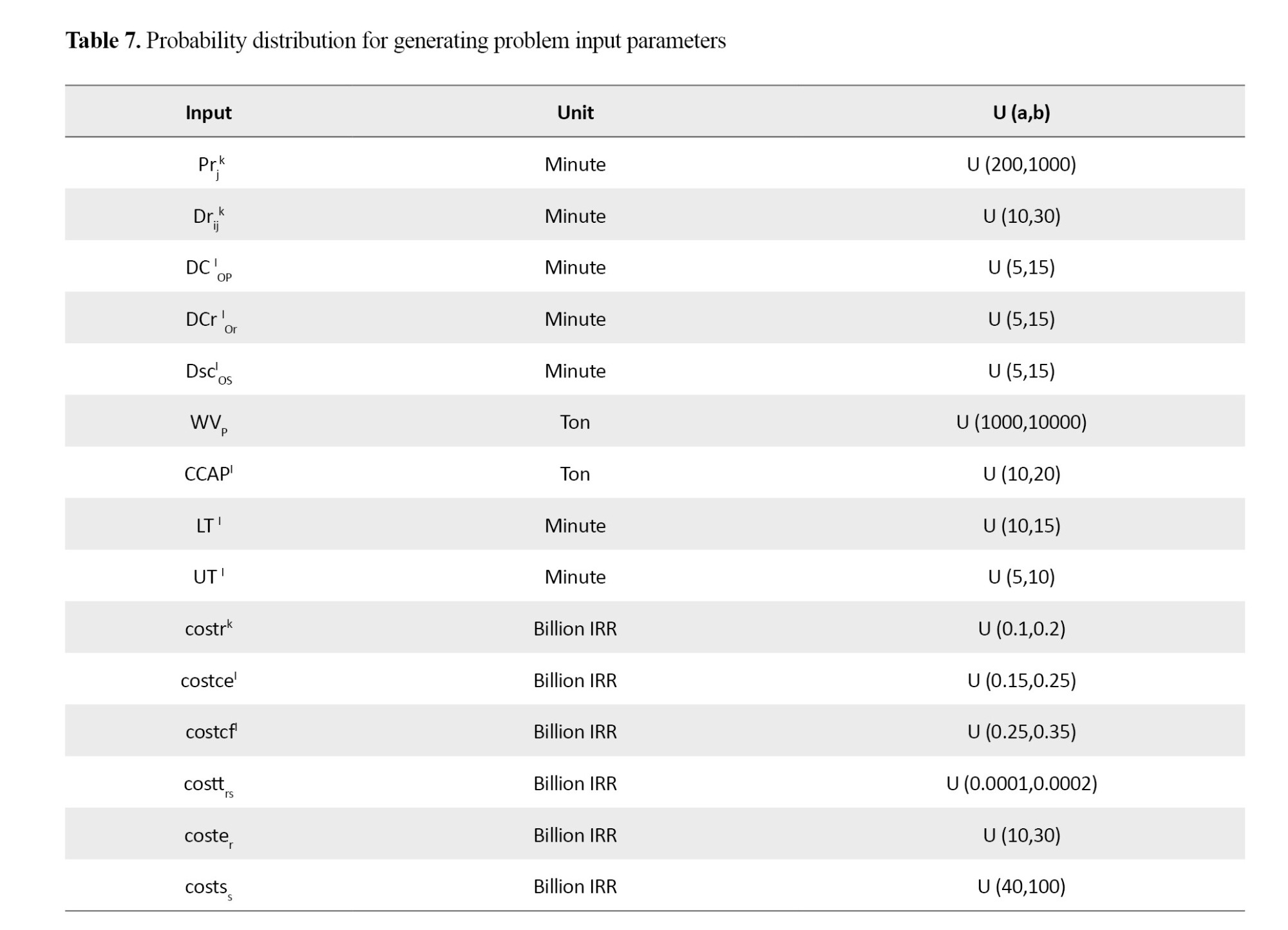
The scenarios were applied to the flooded rural areas of Gorgan city and Aqqala county. Given that the proposed problem is new, the hypothetical values shown in Table 7 were used to generate its input parameters.
 Epsilon constraint method
In this study, seven MOO problems were solved by the epsilon-constraint method. This method is one of the classical and widely used methods in solving MOO problems, in which, to create the Pareto front, one of the objective functions is selected as the main objective function and the other objective functions are included in the model in the form of inequality constraints with a certain threshold limit (ε). This method was first introduced by Haimes et al. (1971). The general form of the equation (for two objectives) is as Equation 31:
31. minf1 (x) Subject to: f2 (x) ≤ ε x∈X
Where, is the main objective function and is a constraint with a threshold ε. The set X includes the feasible space. The value of ε is changed in different intervals to obtain different points of the Pareto front.
Results
To solve the problems using the epsilon-constraint method, seven small-sized MOO problems were first designed, and the model size was then gradually increased by increasing the problem size. The goal was to examine the changes in processing time and obtain the Pareto front at different scales, where seven points are examined in each problem. The problems were solved using different values of the epsilon parameter and a set of Pareto efficient points was extracted. The results of each step include the optimal values of the objective functions and feasible points. The results are presented in Tables 8, 9, 10, 11, 12, 13, 14 and 15.
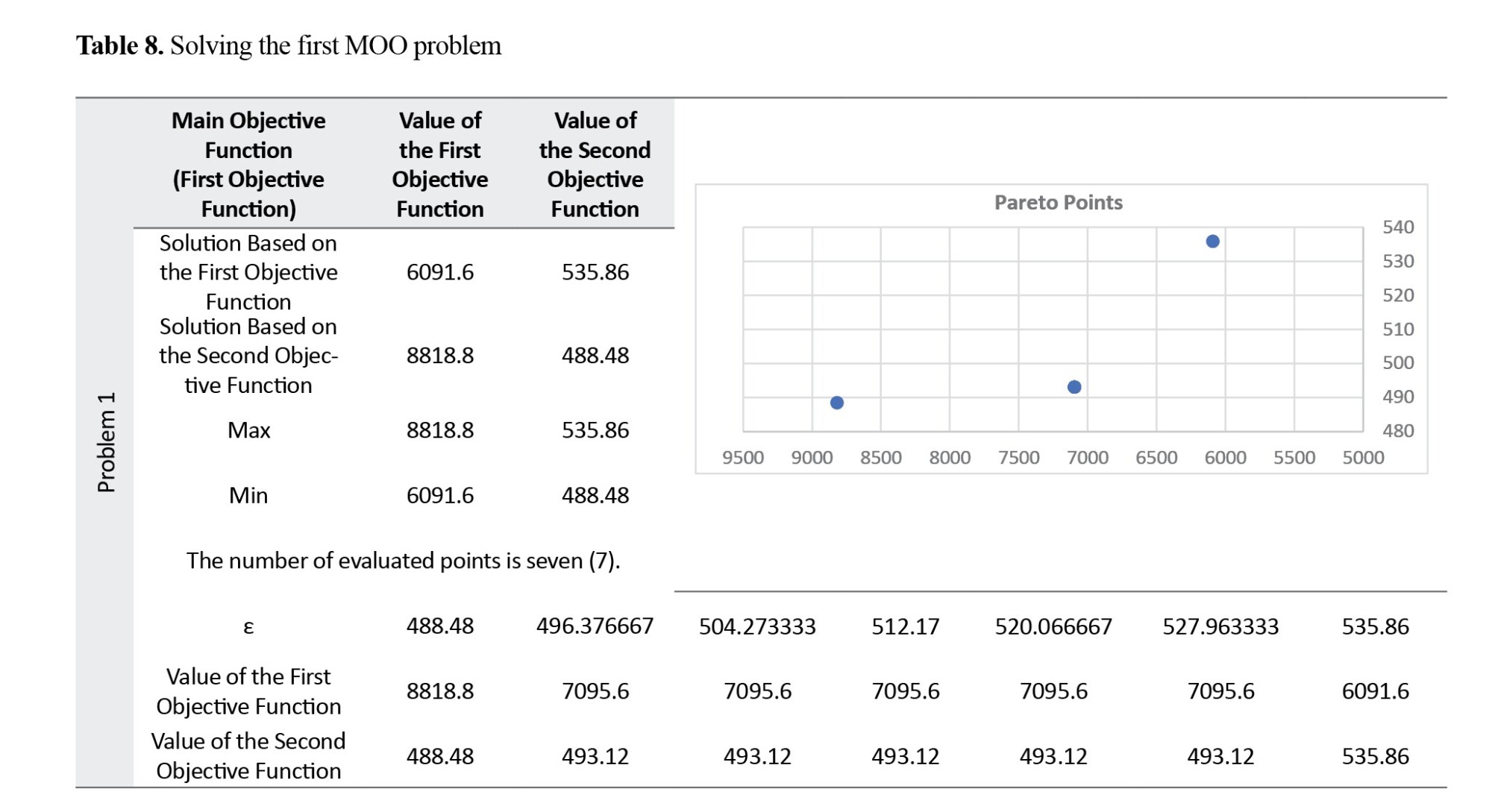
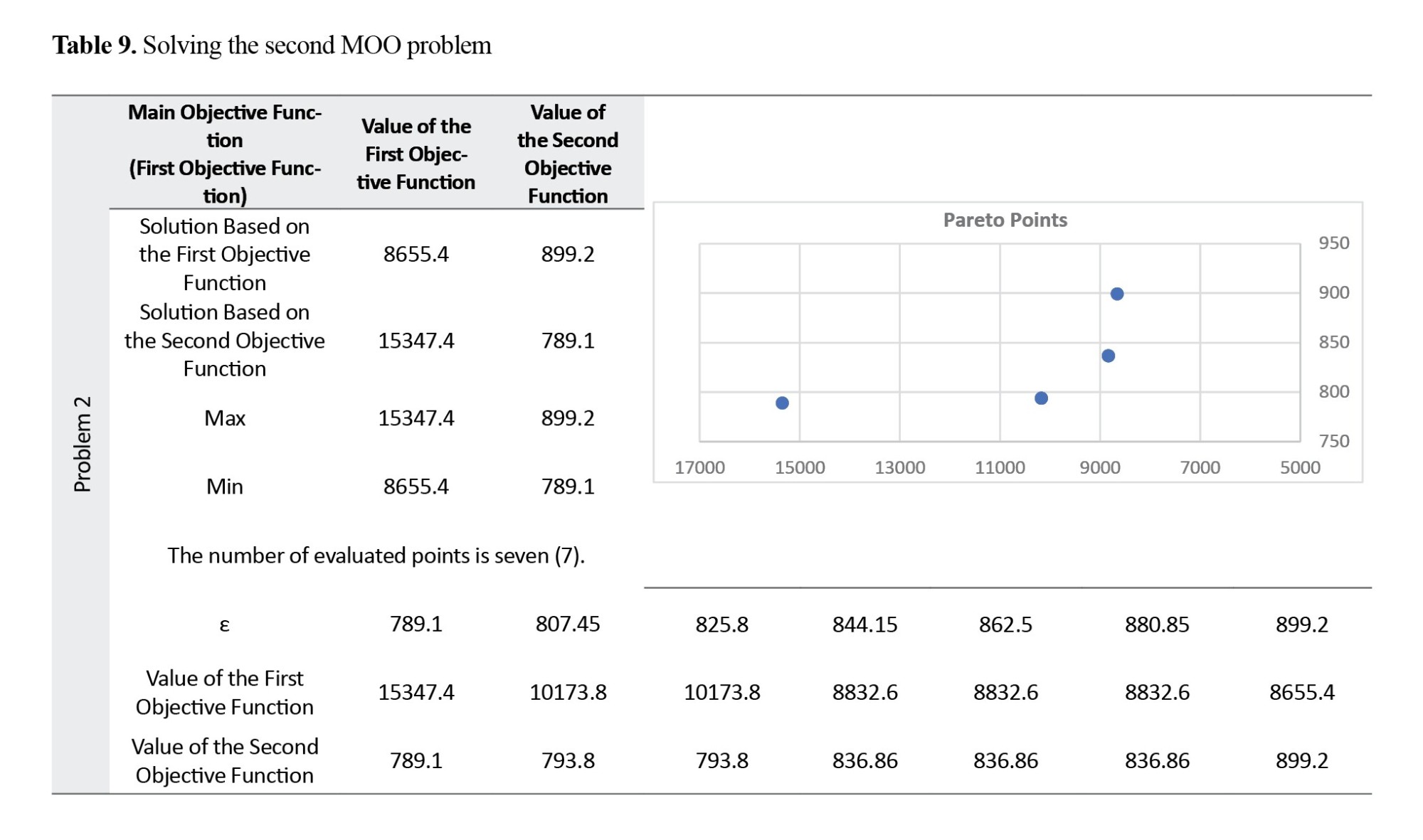
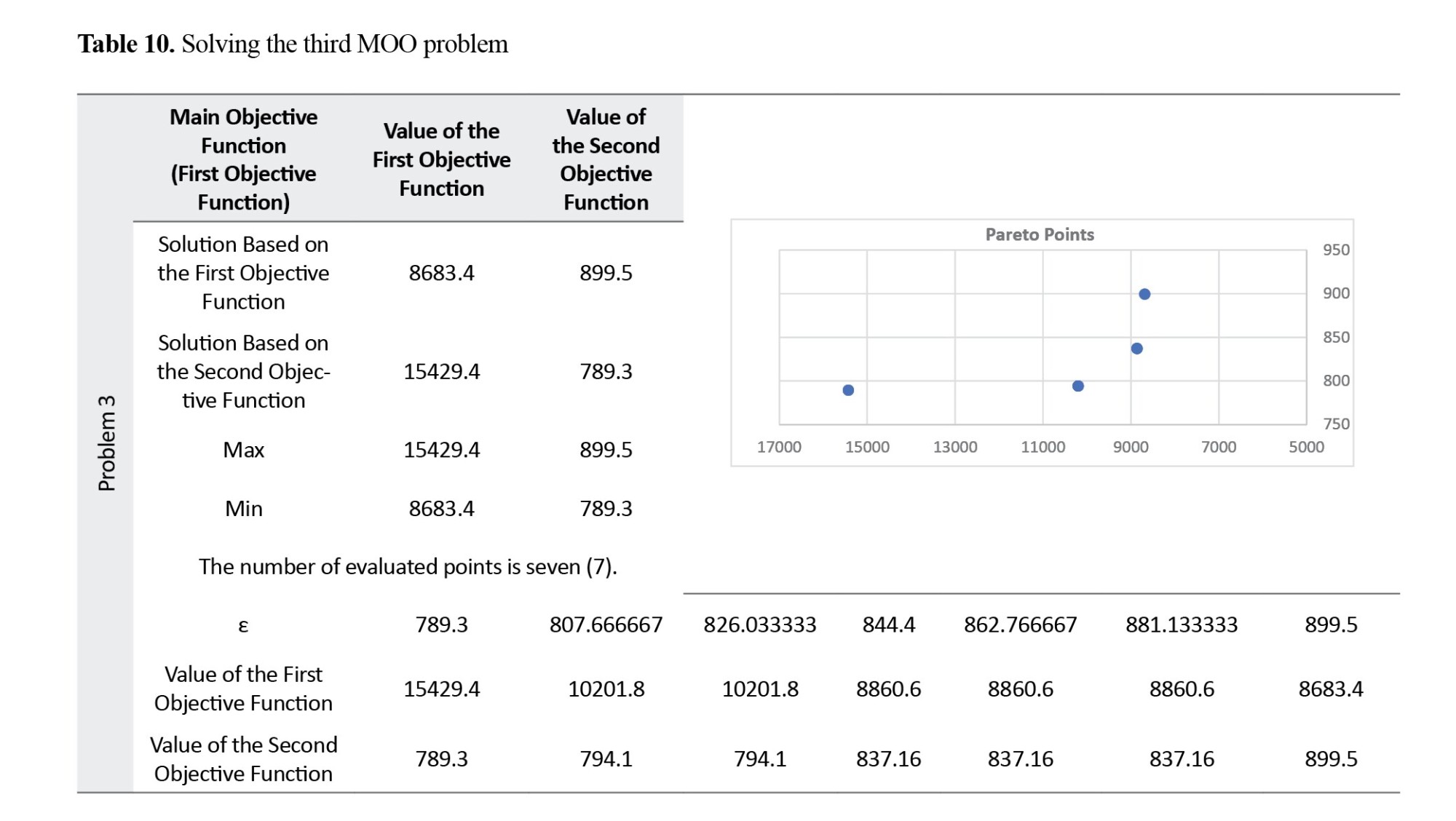
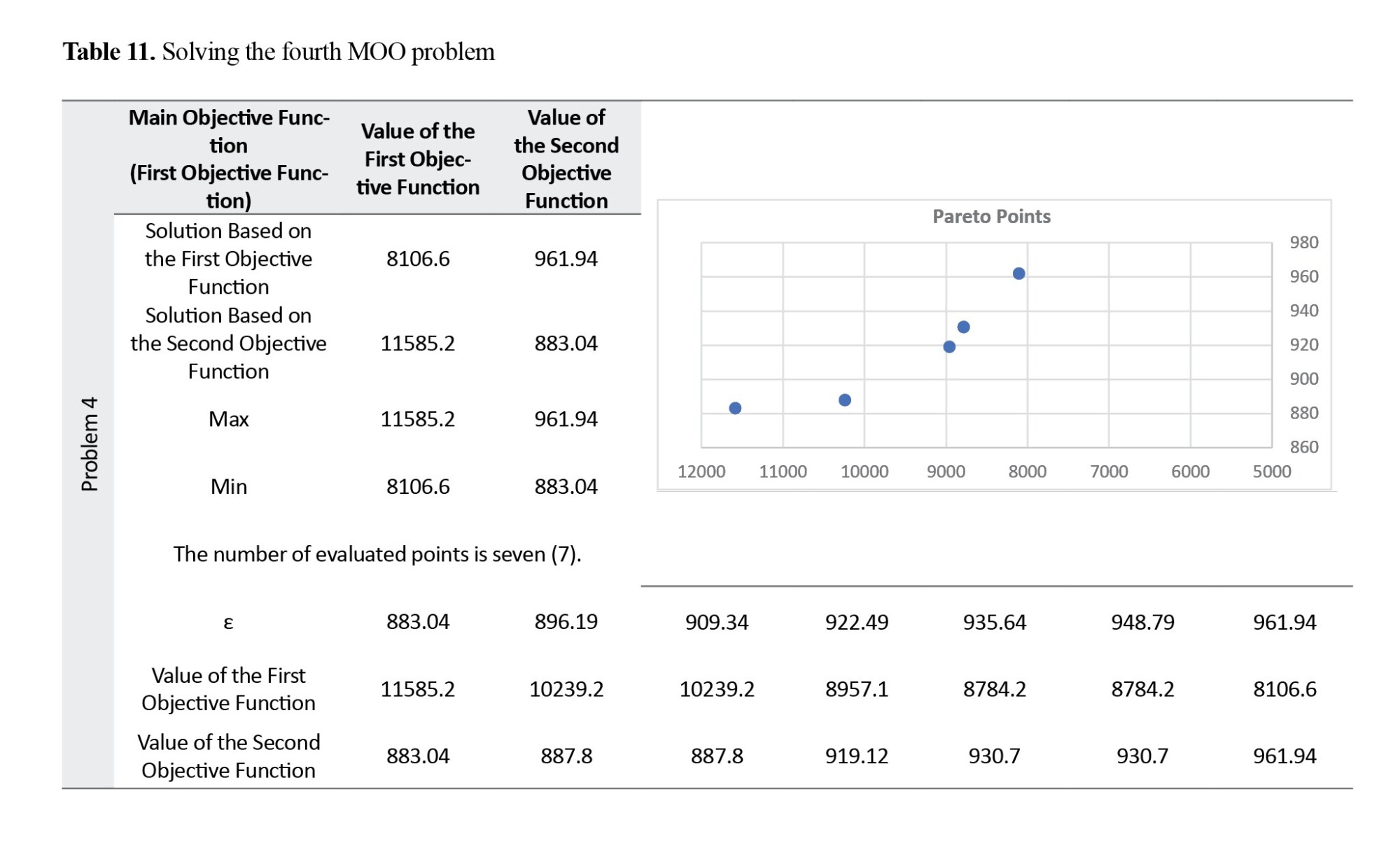
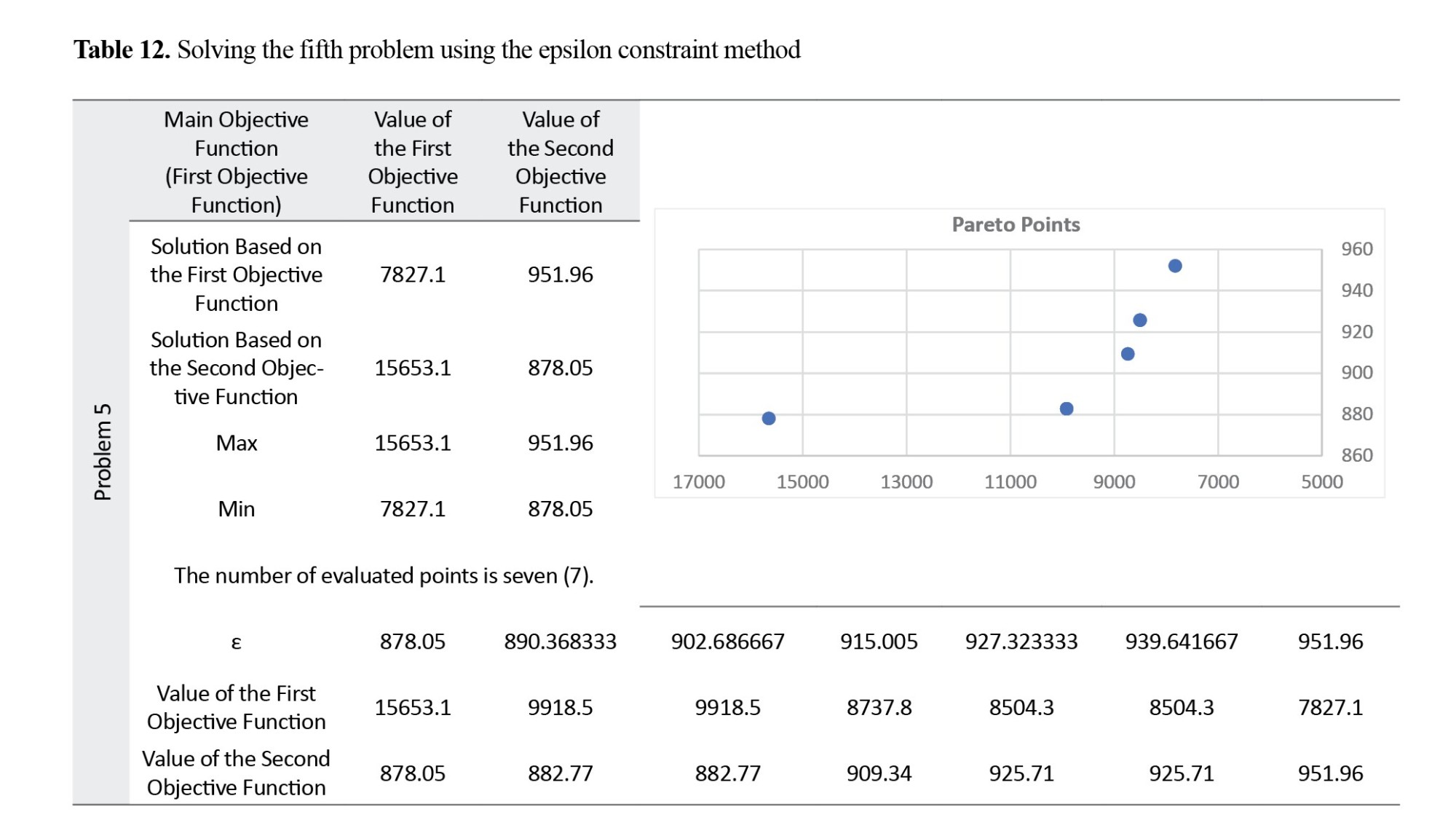
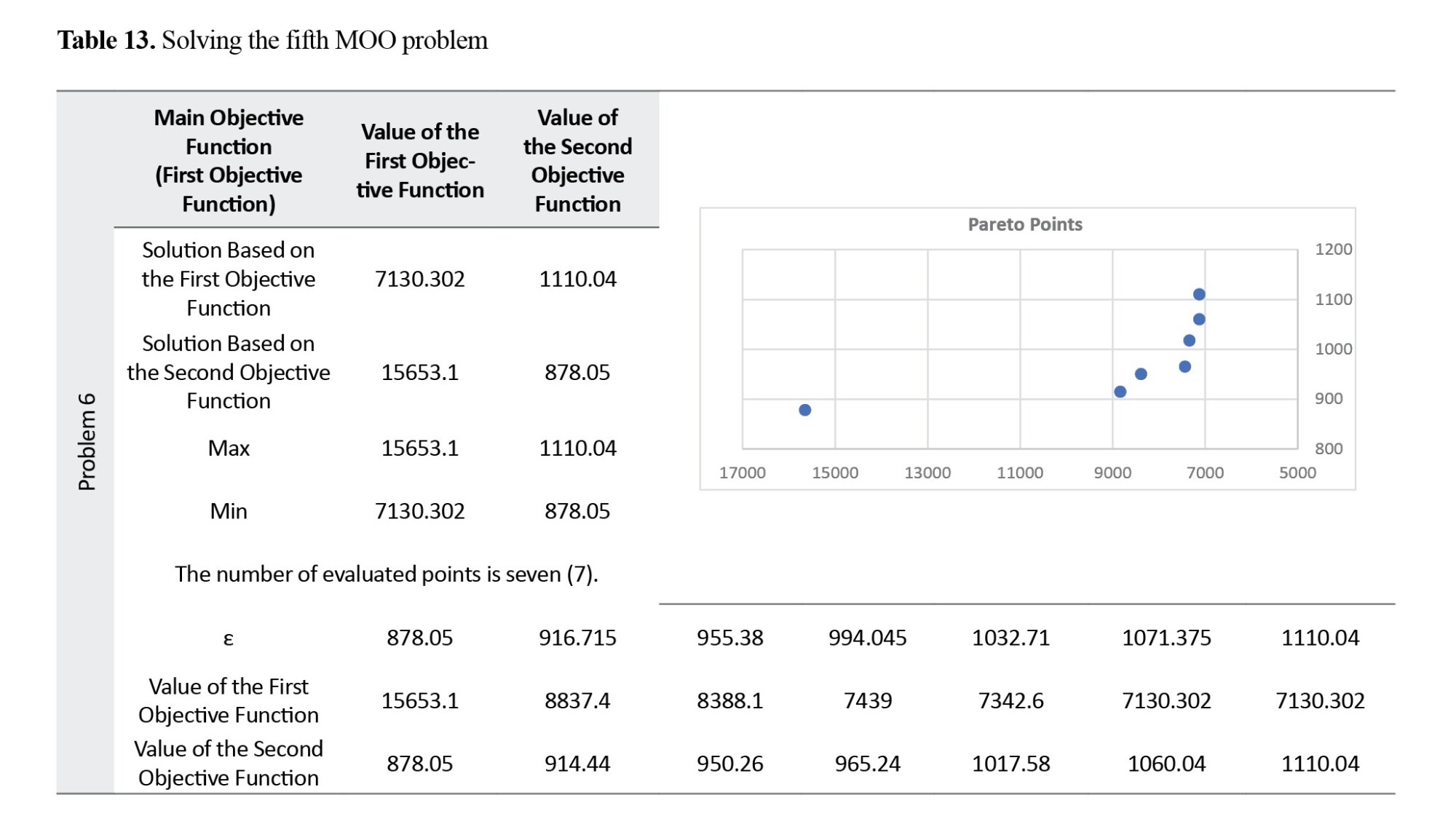
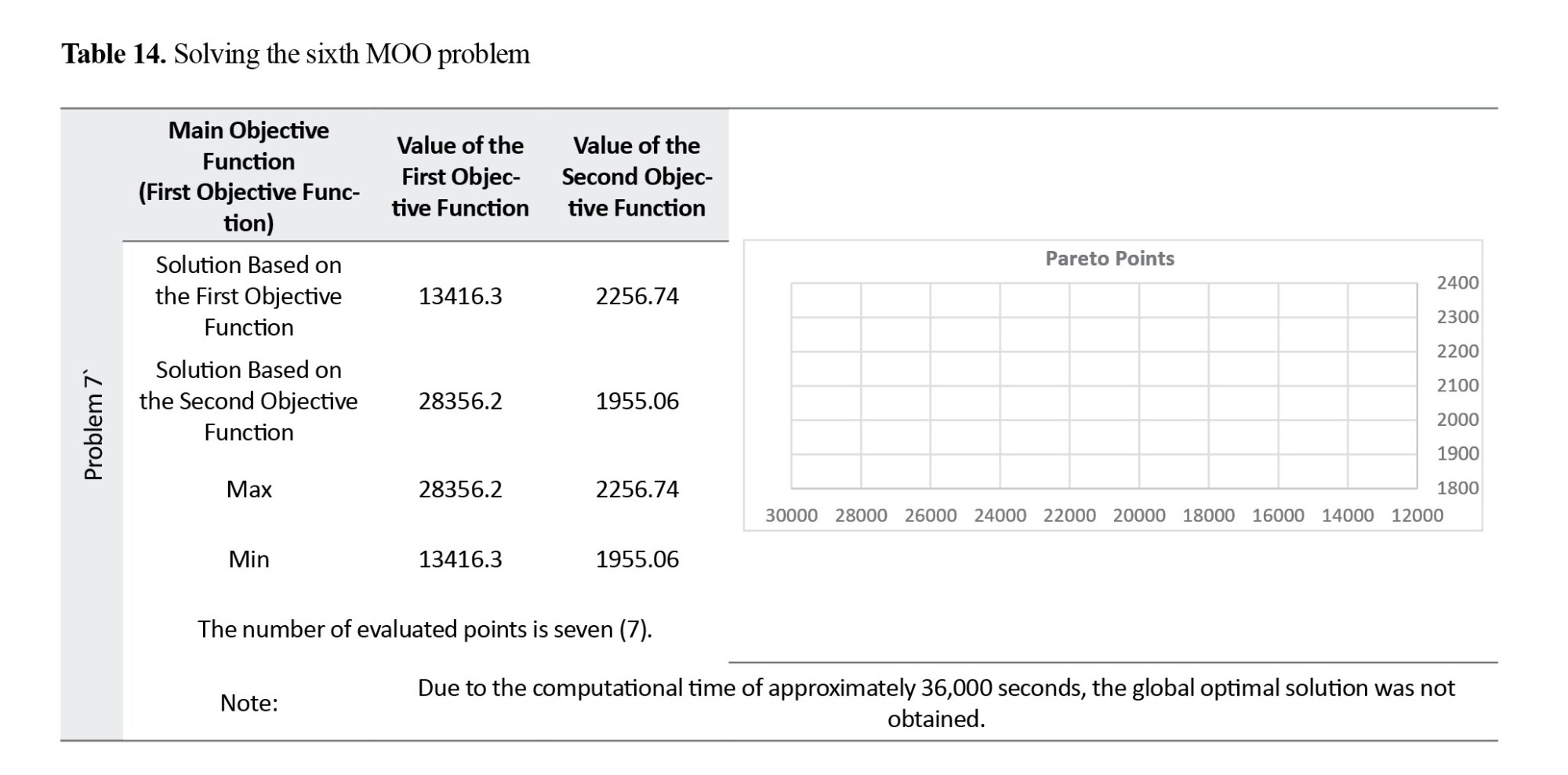
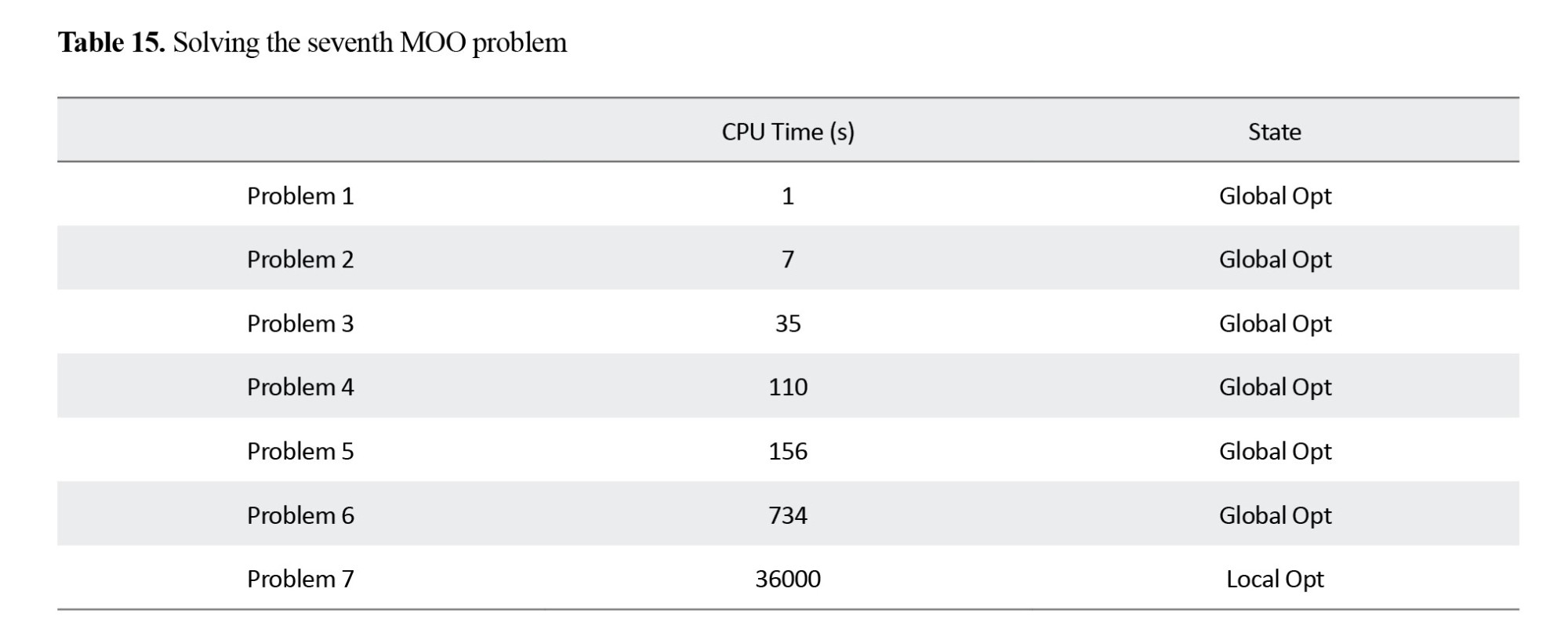
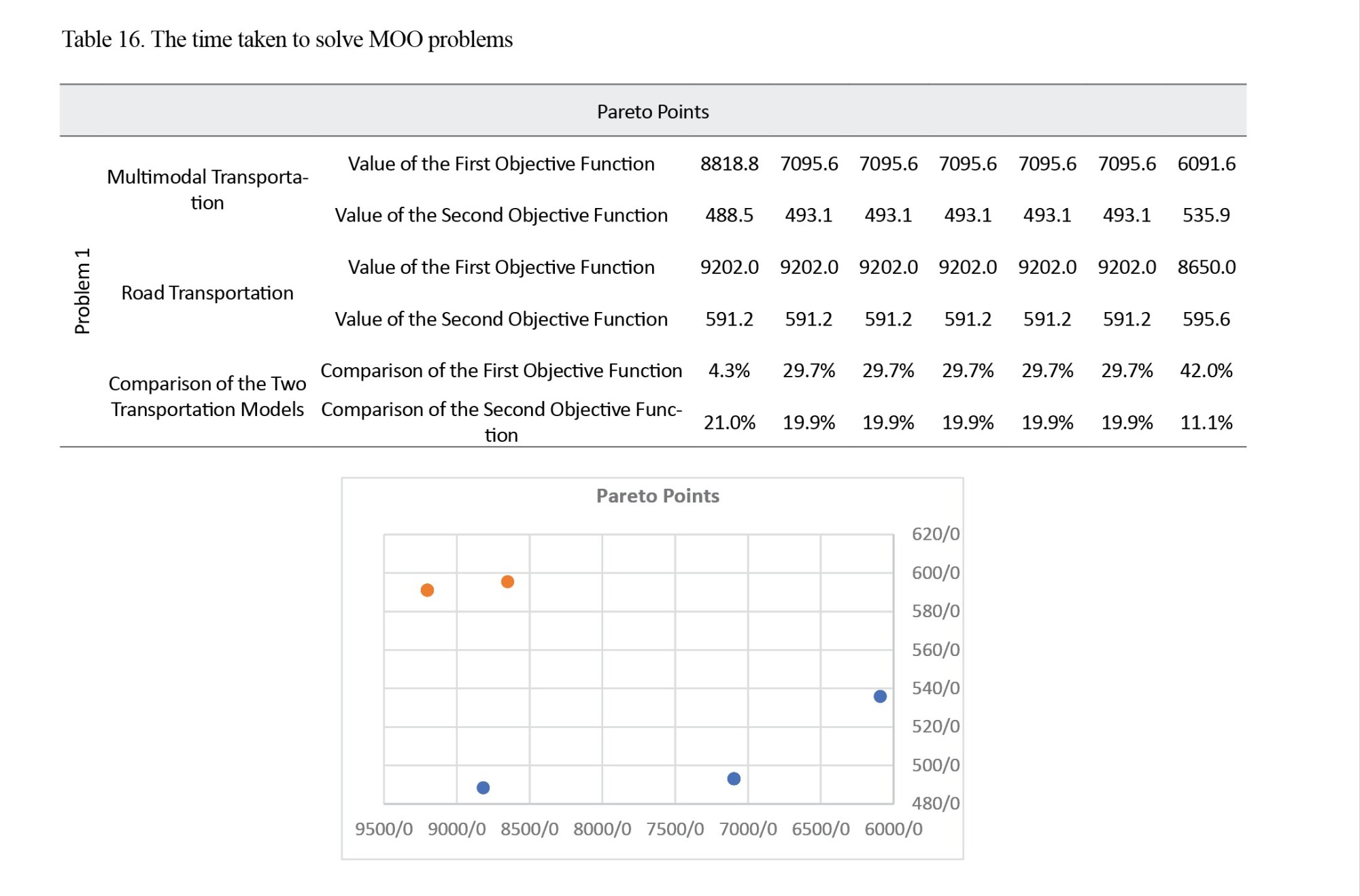
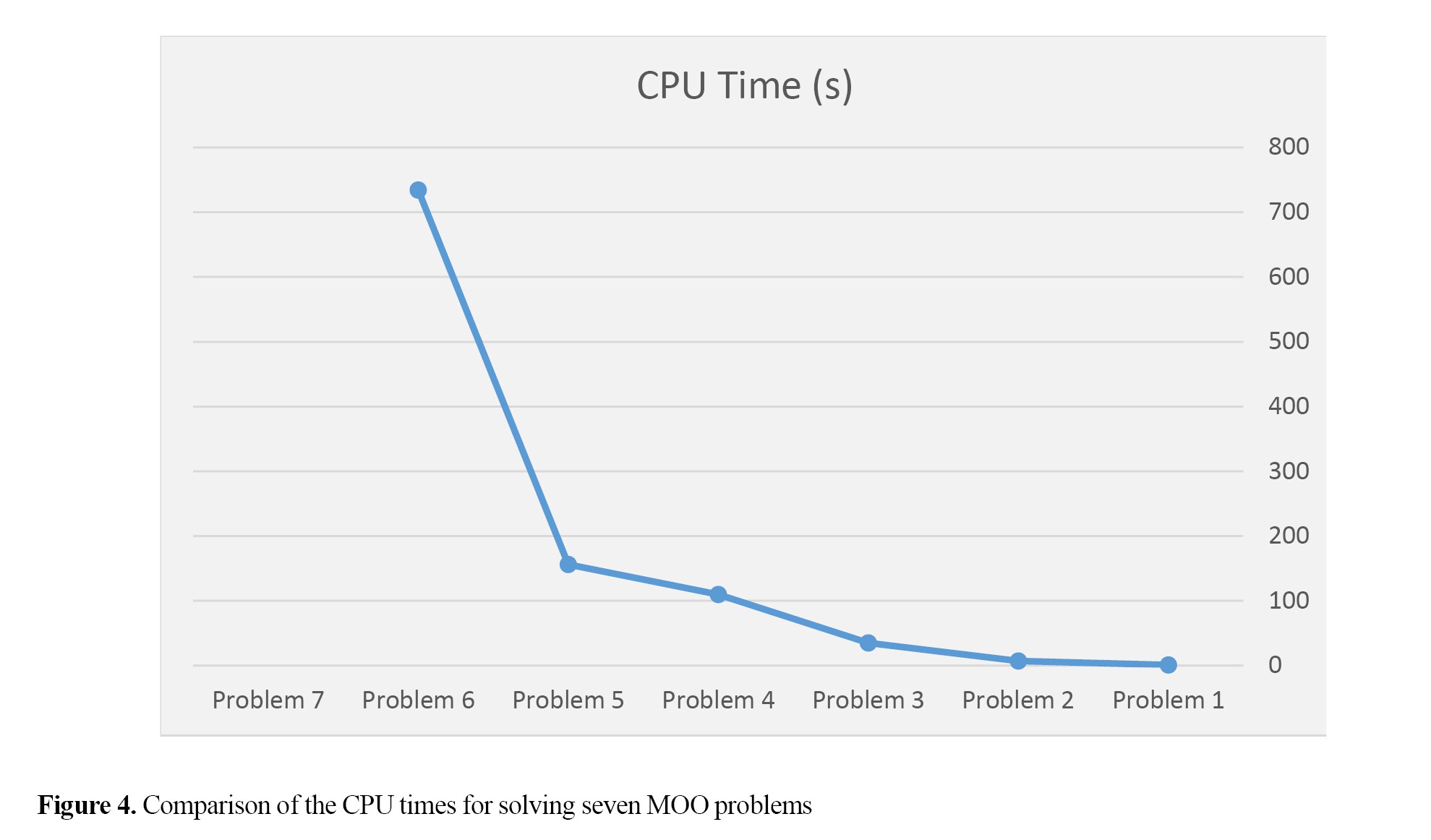
The time taken to solve the problems is presented in Table 16 and Figure 4. It should be noted that the problems were solved in Lingo 9.0 software run on a laptop (Intel Core i7-7700HQ processor, 16 GB RAM (2133 MHz), Windows 10). As can be seen in Table 16, the seventh problem had a solution time that tends towards infinity, due to the increase in problem size and being NP-hard.
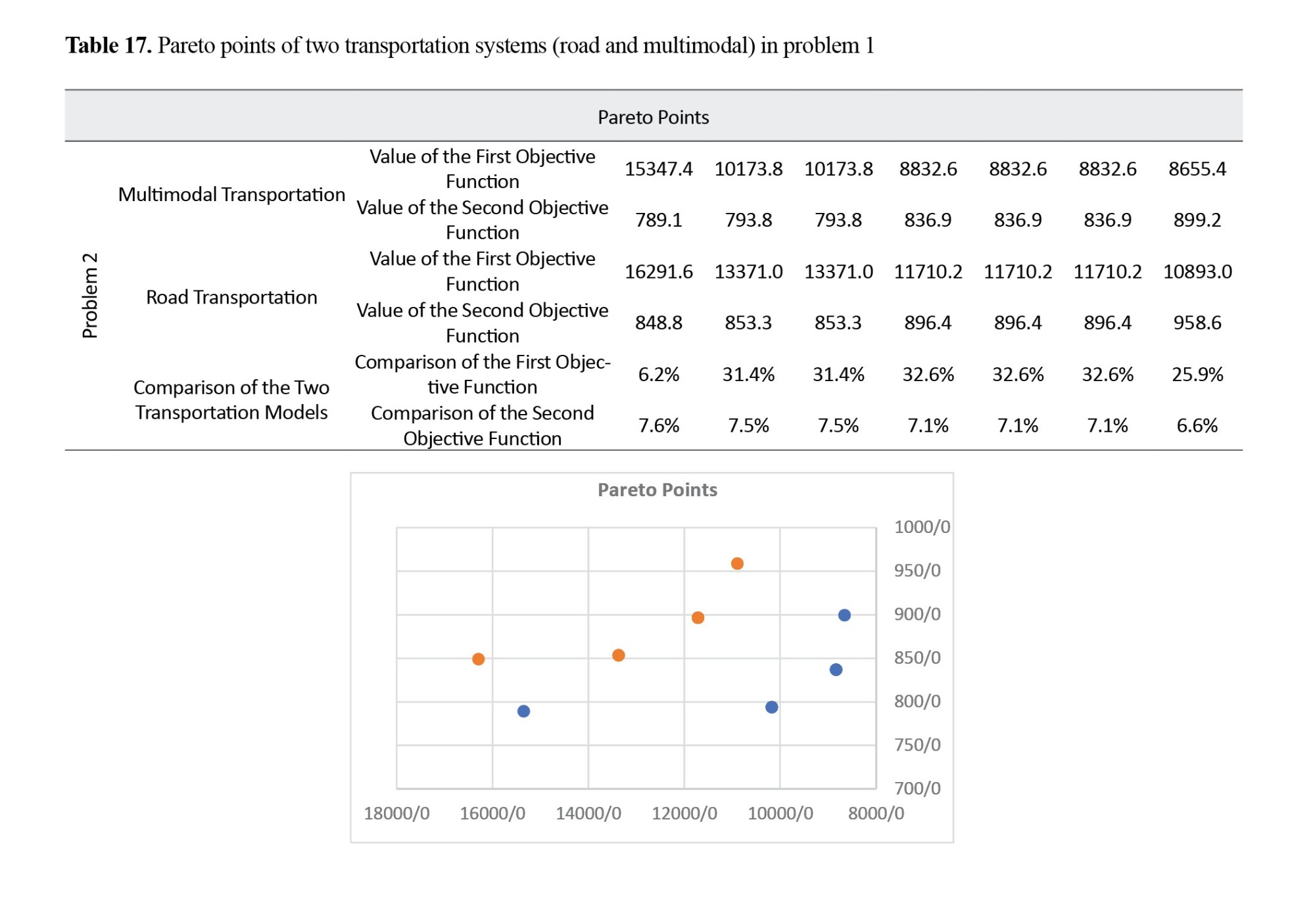
The sensitivity analysis of the problems was also conducted to compare road and multimodal transportation systems. The Pareto values of the objective functions in different scenarios for two modes of road and multimodal transport are presented in Tables 17, 18, 19, 20, 21 and 22.
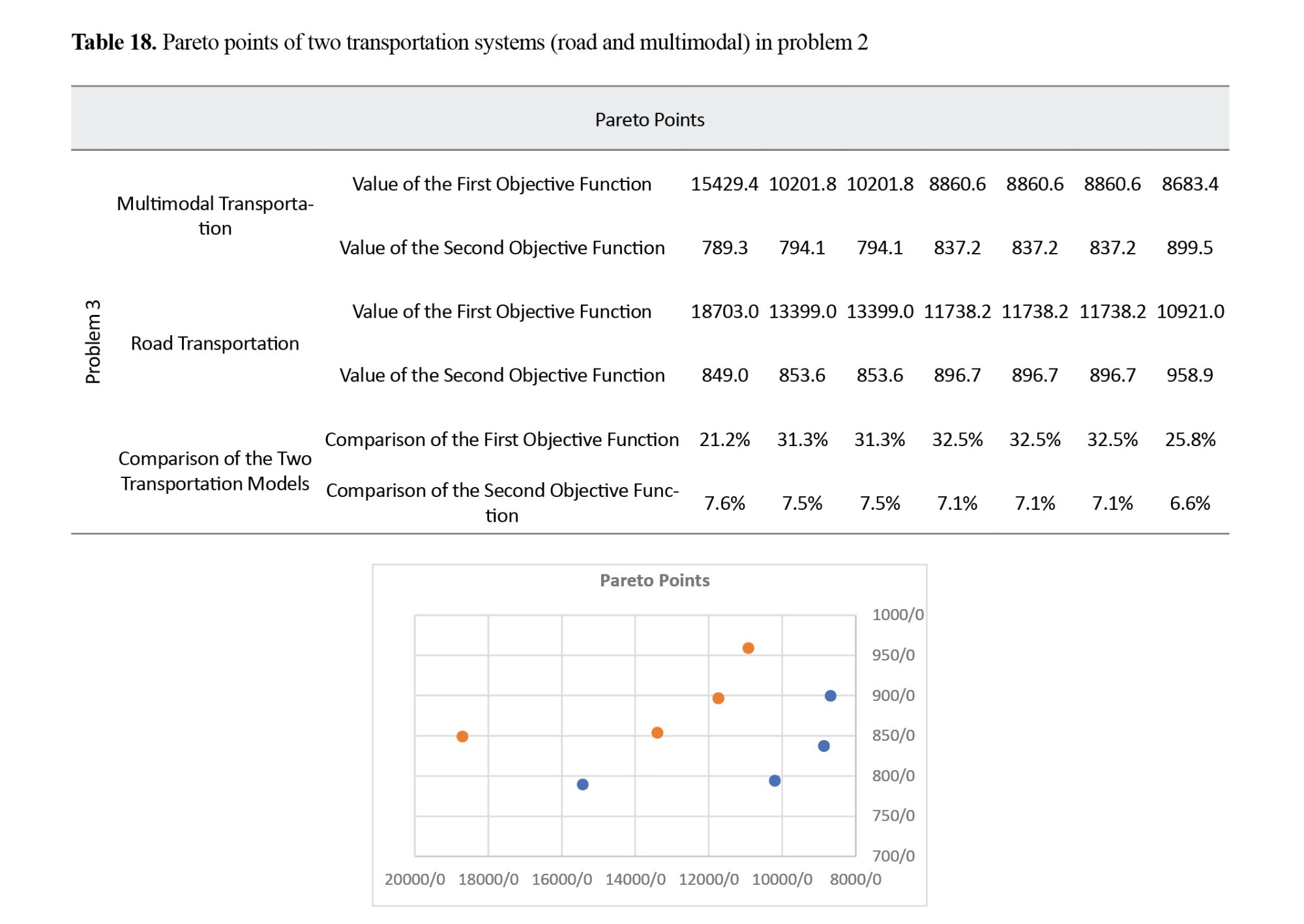
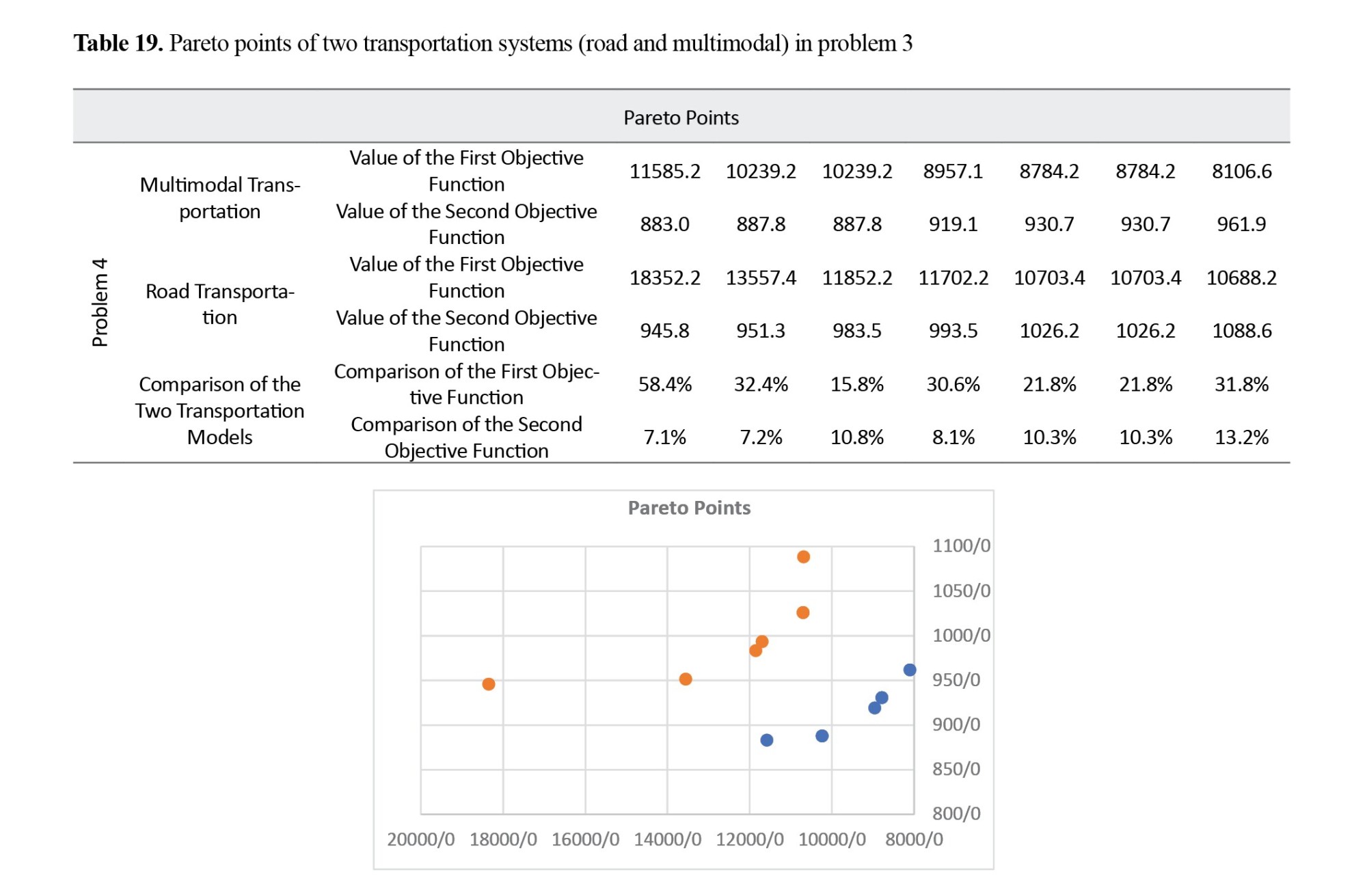
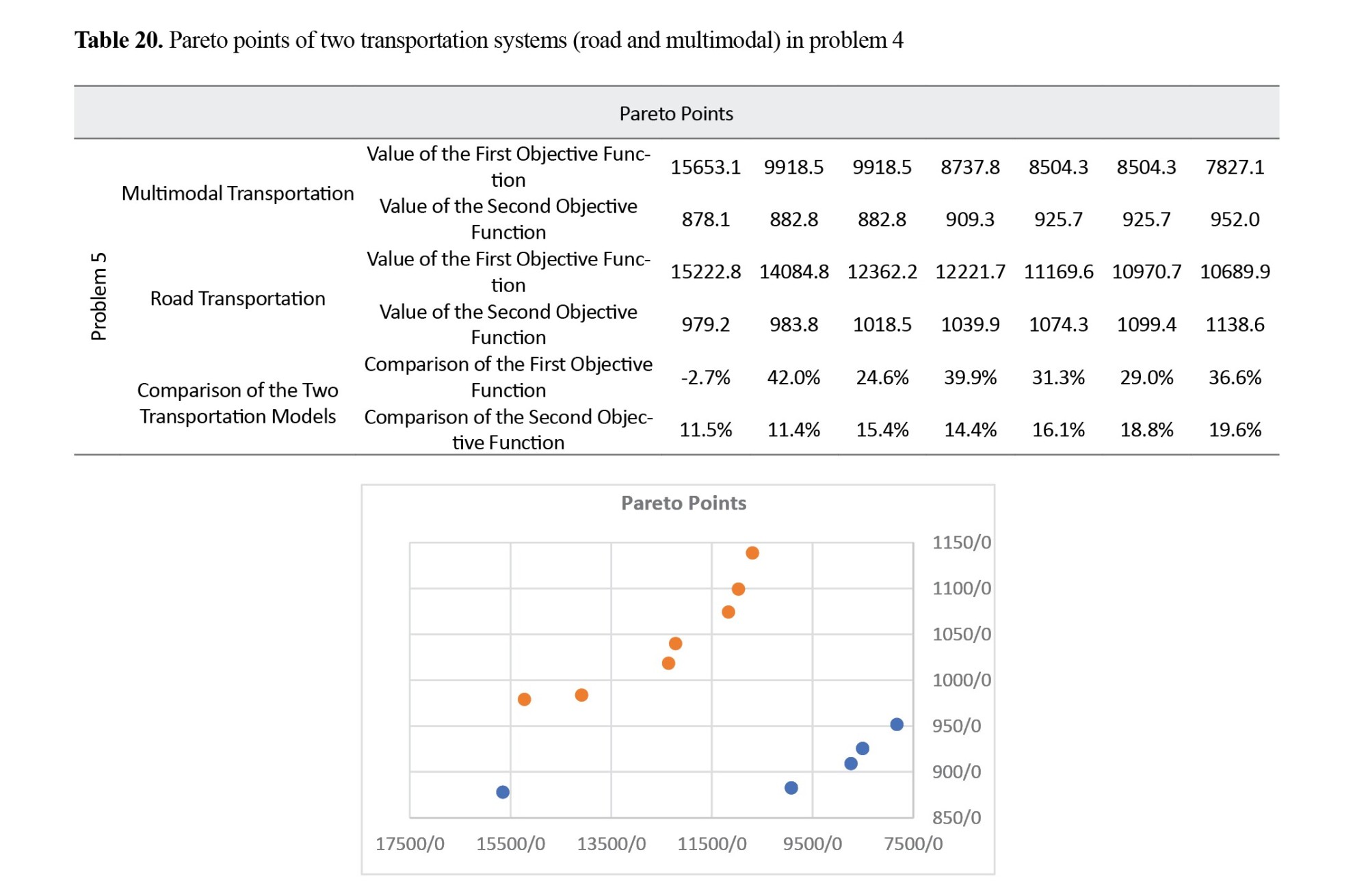
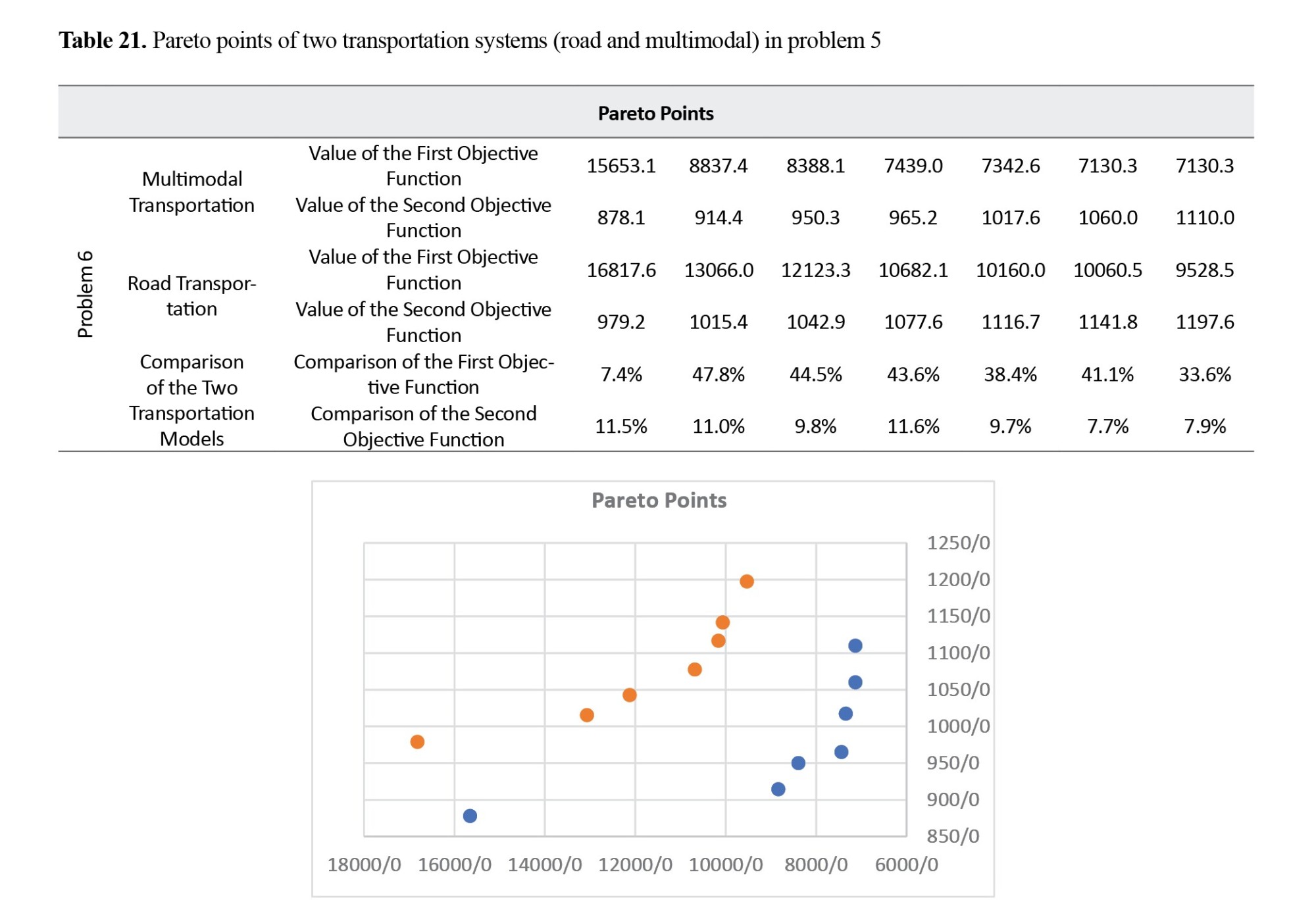
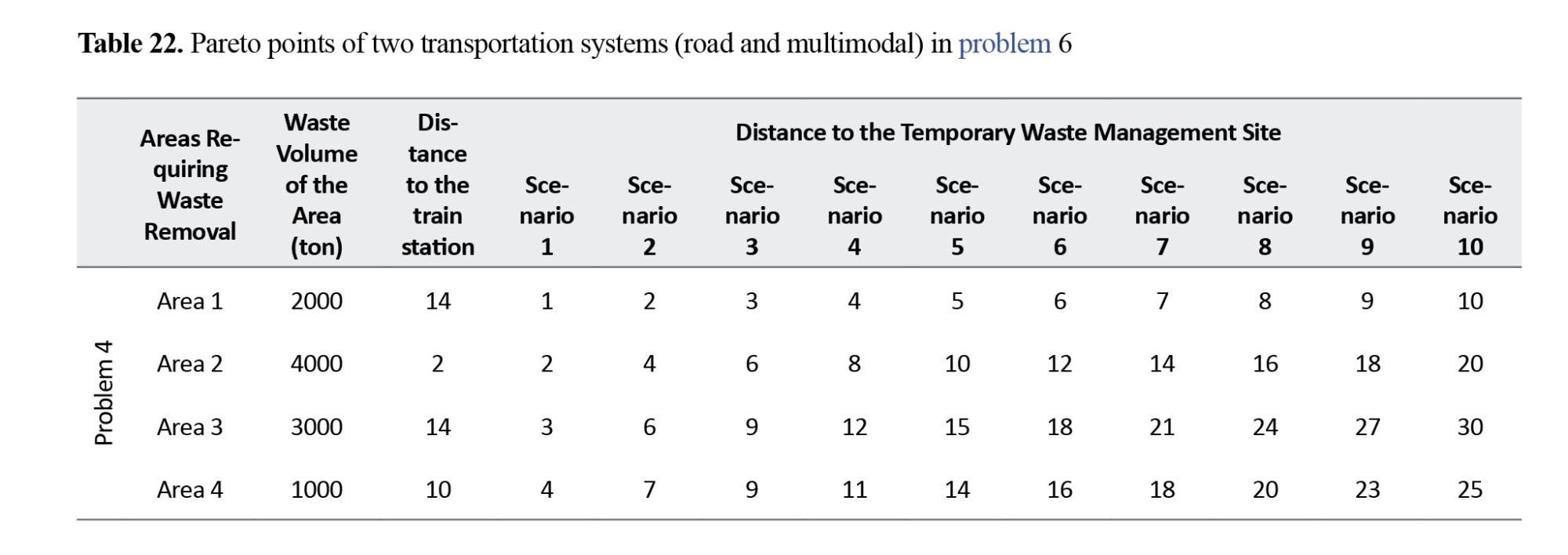
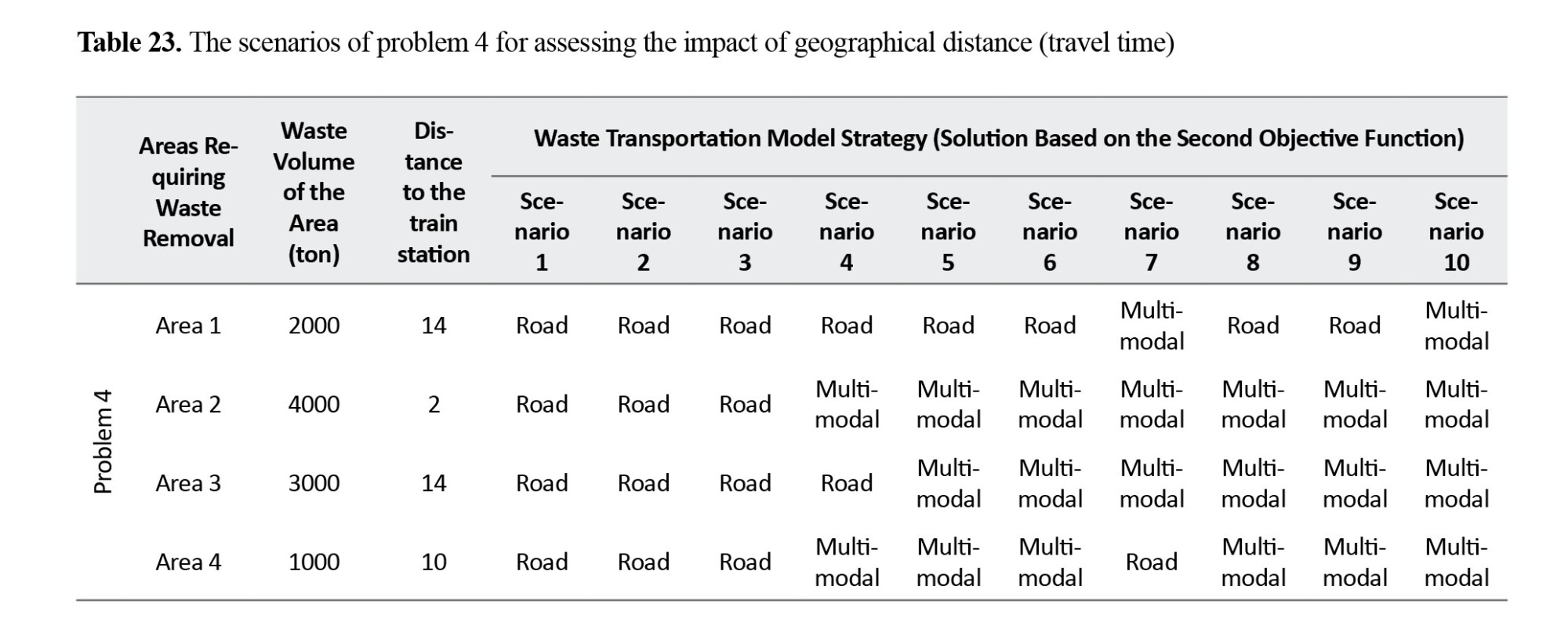
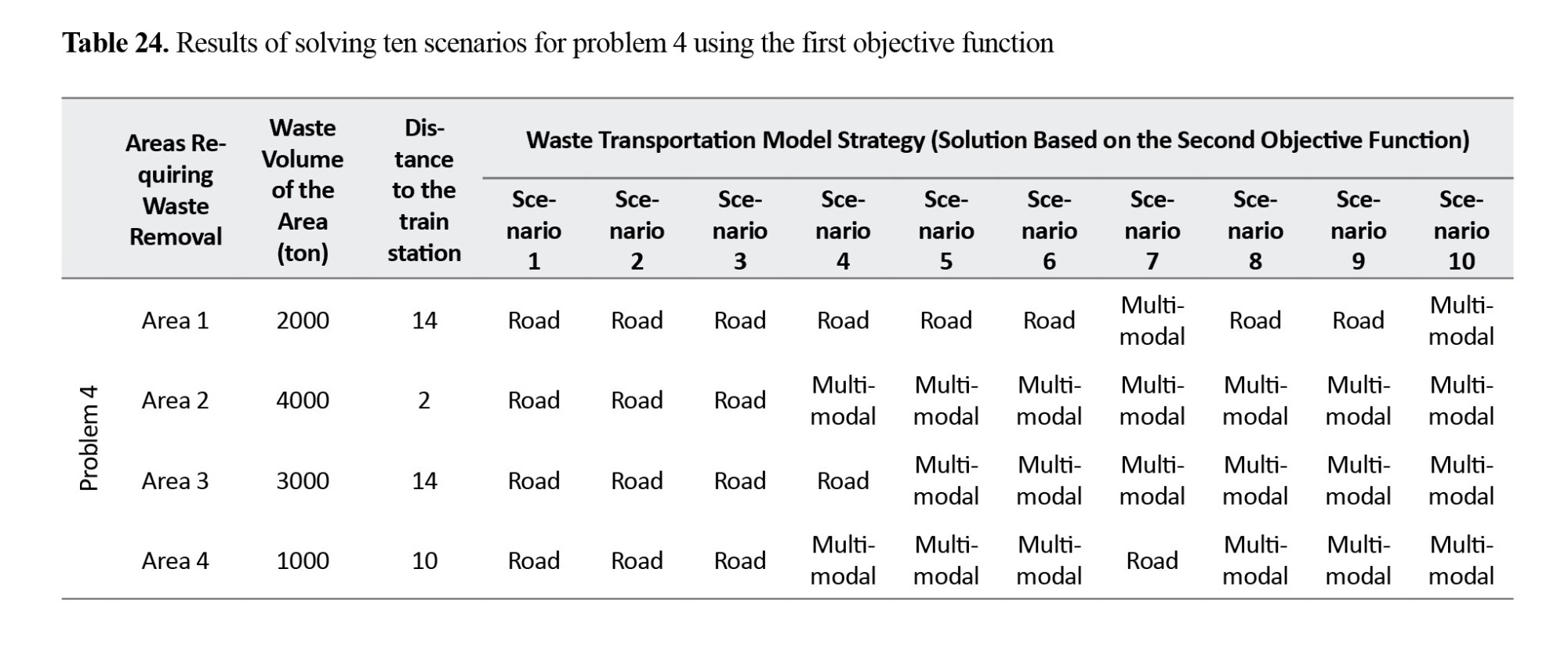
To analyze the impact of geographical distance, Problem 4 was investigated across 10 scenarios with varying traveling time between affected areas and TDWMSs. These times range from 1 to 30 minutes and were arranged in descending order. The basic information for these ten scenarios is presented in Table 23. Problem 4 was solved for each scenario and each objective function separately to determine which waste transport system should be selected for each objective in each area. The results obtained for the two objective functions are presented in Tables 24 and 25. These results showed that for short distances, the road transport system is more efficient. As the distance increases, the multimodal transport performs better.
Discussion
The findings of this study indicated that the proposed MOO model was able to simulate and analyze various dimensions of the post-disaster waste cleanup process with appropriate accuracy. In order to evaluate the performance of the model, seven sample problems with different sizes were designed and solved using the epsilon-constraint method. The results from these scenarios showed that increasing the problem size (in terms of the number of areas requiring debris removal and waste transportation, the number of TDWMSs, train stations, and operational teams) leads to exponential growth in computational complexity and processing time. For example, in the first problem, which had the smallest size, the model achieved the globally optimal solution in just 1 second, while in the seventh problem, which had a larger size, only a locally optimal solution was achieved, despite spending more than 10 hours (36,000 seconds) of computational time. This finding clearly confirms the NP-Hard nature of the problem and the limitations of exact methods on large scales.
Examining the Pareto fronts in all problems showed that there was a trade-off between the two main goals of the model, i.e., reducing the time to complete the operation (taking into account the risk level of the areas) and reducing the total costs, including transportation, equipping train stations, and constructing TDWMSs. In other words, choosing solutions that minimize operation time will increase costs, whereas decisions that are less costly will require more time to complete the operation. This indicates that decision makers have to choose an equilibrium point on the Pareto front based on policies and operational priorities.
A comparative analysis of two road and multimodal (truck/train) transportation systems showed that when the travel time between the affected areas and TDWMSs is long, the multimodal transport performs much better. On average, multimodal transport reduced total operating time by 30.1% and total costs by 11.3% compared with road transport. This difference was especially noticeable in problems with longer travel time, such that at travel times greater than 20 minutes, road transport lost its efficiency and the model automatically selected multimodal solutions. In contrast, when the travel time between the affected areas and the TDWMSs was shorter (as in problems 1 and 2), road transport remained an optimal and efficient option.
The analysis of the model’s sensitivity to regional risk showed that areas with higher risk (especially in terms of life risk and environmental pollution) were prioritized for the allocation of debris removal and waste transportation teams. This indicates that the AHP used for the risk prioritization was able to guide the model’s decision-making with appropriate accuracy. Specifically, in all scenarios, areas with higher risk scores were covered by operations earlier than other areas, which indicates that the model results are consistent with the operational logic of crisis management.
Overall, the findings of this study revealed that as problem size increases, solution time grows exponentially, underscoring the need for metaheuristic methods at real-world scales. Additionally, there was a trade-off between time and cost reduction goals, and the choice of the final solution depends on the decision-makers’ priorities. For long distances, the multimodal transport performed better, while for short distances, road-only transport was more efficient. The use of the AHP-based risk assessment approach improves the accuracy and effectiveness of team allocation and demonstrates the adaptability of the proposed model to real-world conditions in post-disaster operations.
Conclusion
By the proposed MOO model for post-disaster waste cleanup, we can achieve a relative balance between two conflicting goals: Reducing the time to complete the operations and minimizing total operational costs. At the same time, by guiding the allocation of cleanup teams based on the risk level, it brings the decision-making process closer to the field realities of post-disaster operations. This indicates that the model is not only theoretically valid but also practically applicable and usable in real disaster situations. The choice between road and road/rail transports depend on the geographical distance between the affected areas and final disposal sites. When distances are short, road transport is more efficient, enabling operations to be completed in less time and at lower cost. In contrast, as distances increase, combined truck-train transportation offers a significant advantage, resulting in simultaneous reductions in cost and operating time. Numerical results showed that in such conditions, using a multimodal approach leads to a reduction by about 30% in total operational time and a reduction by more than 11% in operational costs, confirming the importance of designing resilient and flexible transportation networks.
According to the results, the AHP method optimized the allocation of operational teams, enabling waste cleanup operations to cover higher-risk areas sooner. This shows that combining mathematical optimization methods with multi-criteria decision-making approaches can be a powerful tool for crisis managers and significantly increase the effectiveness of post-disaster interventions.
From a computational perspective, the MOO model was well-suited to small-scale problems, and globally optimal solutions were obtained in a very short time. However, as the problem size increased, the solution time increased exponentially, and in some cases, only locally optimal solutions were obtained, even after several hours. This finding indicates that, although the MOO model is conceptually and structurally powerful, for large-scale problems it requires the development and application of metaheuristic methods and advanced algorithms to achieve high-quality solutions within a reasonable time. From an applied perspective, the model can enhance the resilience of post-disaster logistics networks, improve resource allocation, and mitigate the negative environmental and social impacts of inefficient waste management.
The results of this study provide a comprehensive and practical framework for post-disaster waste management that can help managers and policymakers select optimal strategies. By simultaneously considering time, cost, and risk, this framework enables decision-makers to select solutions appropriate to real-world conditions and operational constraints. For future studies, it is recommended that the optimization model be field validated in the context of real-world scenarios while simultaneously incorporating uncertainties about infrastructure availability and transportation capacities. The integration of metaheuristic algorithms and AI can pave the way for achieving high-quality solutions for problems on a large scale. This can make the proposed model not only theoretically richer but also a practical, efficient tool for disaster management and for reducing its destructive effects on vulnerable communities.
Ethical Considerations
Compliance with ethical guidelines
This study did not involve human participants or animals; therefore, no specific ethical approval or ethical guidelines were required.
Funding
This research did not receive any specific grant from funding agencies in the public, commercial, or not-for profit sectors.
Authors' contributions
All authors contributed equally to the conception and design of the study, data collection and analysis, interpretation of the results, and drafting of the manuscript. Each author approved the final version of the manuscript for submission.
Conflicts of interest
The authors declare no conflict of interest.
Acknowledgments
The authors would like to express sincere appreciation to all professors of Mazandaran University of Science and Technology for their valuable support.
References
Alziari, S., Stepien, G., & Durand, R. (1981). In vitro incorporation of (35 S)-methionine in mitochondrial proteins of drosophila melanogaster. Biochemical and Biophysical Research Communications, 99(1), 1-8. [DOI:10.1016/0006-291X(81)91704-6] [PMID]
Amato, A., Gabrielli, F., Spinozzi, F., Galluzzi, L. M., Balducci, S., & Beolchini, F. (2019). Strategies of disaster waste management after an earthquake: A sustainability assessment. Resources, Conservation and Recycling, 146, 590-597. [DOI:10.1016/j.resconrec.2019.02.033]
Amato, A., Gabrielli, F., Spinozzi, F., Magi Galluzzi, L., Balducci, S., & Beolchini, F. (2020). Disaster waste management after flood events. Journal of Flood Risk Management, 13, e12566. [DOI:10.1111/jfr3.12566]
Aoki, K., Akiyama, M., Alhamid, A. K., Frangopol, D. M., & Koshimura, S. (2025). Resilience-based estimation of the disaster waste disposal time considering interdependencies between waste disposal and road network systems under seismic and tsunami hazards in coastal communities. Reliability Engineering & System Safety, 262, 111242. [DOI:10.1016/j.ress.2025.111242]
Archetti, C., Peirano, L., & Speranza, M. G. (2022). Optimization in multimodal freight transportation problems: A Survey. European Journal of Operational Research, 299(1), 1-20. [DOI:10.1016/j.ejor.2021.07.031]
Babbitt, C. W. (2019). The role of clean technology research in disaster debris management. Clean Technologies and Environmental Policy, 21, 923-924. [DOI:10.1007/s10098-019-01712-1]
Babazadeh Rafiei, A., Motamedi, M., Sohrabi, T., & Darvish Motevalli, M. H. (2023a). Design of a scenario-based multi-level and multi-objective mathematical model with the aim of reducing the risk of the blood supply chain in the conditions of the COVID-19 pandemic. Journal of Industrial Engineering and Management Studies, 10(2), 59-74. [Link]
Babazadeh Rafiei, A., Sohrabi, T., Motamedi, M., & Darvish Motevalli, M. H. (2024). [A Robust Risk Management Model for the Blood Supply Chain in Corona Pandemic Condition (Persian)]. Journal of Industrial Management Perspective, 14(3), 56-78. [DOI: 10.48308/jimp.14.3.56]
Brown, C., Milke, M., & Seville, E. (2011). Disaster waste management: a review article. Waste management (New York, N.Y.), 31(6), 1085–1098. [DOI:10.1016/j.wasman.2011.01.027] [PMID]
Brown, C., & Milke, M. (2016). Recycling disaster waste: Feasibility, method and effectiveness. Resources, Conservation and Recycling, 106, 21-32. [DOI:10.1016/j.resconrec.2015.10.021]
Boonmee, C., Arimura, M., & Asada, T. (2018). Location and allocation optimization for integrated decisions on post-disaster waste supply chain management: On-site and off-site separation for recyclable materials. International Journal of Disaster Risk Reduction, 31, 902-917. [DOI:10.1016/j.ijdrr.2018.07.003]
Caldera, S., Jayarathna, C., & Desha, C. (2025a). Evaluating the characteristics of disaster waste management in practice: Case studies from queensland and New South Wales, Australia. Sustainability, 17(14), 6300. [DOI:10.3390/su17146300]
Caldera, S., Jayarathna, C., & Desha, C. (2025). Disaster Waste Management for Resilient Communities: A systematic literature review. Cleaner Waste Systems, 100333. [DOI:10.1016/j.clwas.2024.100197]
Caldera, S., Jayarathna, C., Ferguson, S., MCNeill, J., & Desha, C. (2025). A resilient disaster waste management framework for communities: Experiences from Australian industry practitioners. Cleaner Waste Systems, 10, 100197. [DOI:10.1016/j.clwas.2024.100197]
Cheng, C., Zhang, L., & Thompson, R. G. (2018). Reliability analysis for disaster waste management systems. Waste Management, 78, 31-42. [DOI:10.1016/j.wasman.2018.05.011] [PMID]
Cheng, C., Zhu, R., Costa, A. M., & Thompson, R. G. (2021). Optimisation of waste clean-up after large-scale disasters. Waste Management, 119, 1-10. [DOI:10.1016/j.wasman.2020.09.023] [PMID]
Cheng, C., Lu, J. W., Zhu, R., Xiao, Z., Costa, A. M., & Thompson, R. G. (2022). An integrated multi-objective model for disaster waste clean-up systems optimization. Transportation Research Part E: Logistics and Transportation Review, 165, 102867. [DOI:10.1016/j.tre.2022.102867]
Cheng, C., & Thompson, R. G. (2016). Application of boolean logic and GIS for determining suitable locations for temporary disaster waste management sites. International Journal of Disaster Risk Reduction, 20, 78-92. [DOI:10.1016/j.ijdrr.2016.10.011]
Cheng, C., Zhu, R., Costa, A. M., Thompson, R. G., & Huang, X. (2022b). Multi-period two-echelon location routing problem for disaster waste clean-up. Transportmetrica A: Transport Science, 18(3), 1053-1083. [DOI:10.1080/23249935.2021.1916644]
Cheng, C., Lu, J. W., Zhu, R., Xiao, Z., Costa, A. M., & Thompson, R. G. (2022). An integrated multi-objective model for disaster waste clean-up systems optimization. Transportation Research Part E: Logistics and Transportation Review, 165, 102867. [DOI:10.1016/j.tre.2022.102867]
Guha-Sapir, D. (2020) . EM-DAT: The Emergency Events Database. Belgium: Universite Catholique de Louvain. [Link]
Ghannad, P., Lee, Y. C., & Choi, J. O. (2021). Prioritizing postdisaster recovery of transportation infrastructure systems using multiagent reinforcement learning. Journal of Management in Engineering, 37(1), 04020100. [DOI:10.1061/(ASCE)ME.1943-5479.0000868]
Ghorbanzadeh, M., Koloushani, M., Ulak, M. B., Ozguven, E. E., & Jouneghani, R. A. (2020). Statistical and spatial analysis of hurricane-induced roadway closures and power outages. Energies, 13(5), 1098. [DOI:10.3390/en13051098]
Goodman, L. A. (1961). Snowball sampling. The Annals of Mathematical Statistics, 148-170. [DOI:10.1214/aoms/1177705148]
Habib, M. S., & Sarkar, B. (2017). An integrated location-allocation model for temporary disaster debris management under an uncertain environment. Sustainability, 9(5), 716. [DOI:10.3390/su9050716]
Habib, M. S., Maqsood, M. H., Ahmed, N., Tayyab, M., & Omair, M. (2022). A multi-objective robust possibilistic programming approach for sustainable disaster waste management under disruptions and uncertainties. International Journal of Disaster Risk Reduction, 75, 102967. [DOI:10.1016/j.ijdrr.2022.102967]
Haimes, Y. (1971). On a bicriterion formulation of the problems of integrated system identification and system optimization. IEEE transactions on Systems, Man, and Cybernetics, (3), 296-297. [DOI:10.1109/TSMC.1971.4308298]
Hu, Z. H., & Sheu, J. B. (2013). Post-disaster debris reverse logistics management under psychological cost minimization. Transportation Research Part B: Methodological, 55, 118-141. [DOI:10.1016/j.trb.2013.05.010]
Jalloul, H., Choi, J., Yesiller, N., Manheim, D., & Derrible, S. (2022). A systematic approach to identify, characterize, and prioritize the data needs for quantitative sustainable disaster debris management. Resources, Conservation and Recycling, 180, 106174. [DOI:10.1016/j.resconrec.2022.106174]
Jha, A. K., Bloch, R., & Lamond, J. (2012). Cities and flooding: A guide to integrated urban flood risk management for the 21st century. World Bank Publications. [DOI:10.1596/978-0-8213-8866-2]
Karunasena, G., Amaratunga, D., & Haigh, R. (2012). Post-disaster construction & demolition debris management: a Sri Lanka case study. Journal of Civil Engineering and Management, 18(4), 457-468. [DOI:10.3846/13923730.2012.699913]
Lee, Y. H., Kim, Y. C., & Lee, H. K. (2022). Framework for selection of temporary disaster waste management sites for post-flood recovery in Seoul, South Korea. International Journal of Disaster Risk Reduction, 71, 102832. [DOI:10.1016/j.ijdrr.2022.102832]
Lorca, Á., Çelik, M., Ergun, Ö., & Keskinocak, P. (2017). An optimization-based decision-support tool for post-disaster debris operations. Production and Operations Management, 26(6), 1076-1091. [DOI:10.1111/poms.12643]
Luther, L. (2010). Managing disaster debris: Overview of regulatory requirements, agency roles, and selected challenges. Washington: Congressional Research Service. [Link]
Ma, W., Lin, S., Ci, Y., & Li, R. (2024). Resilience evaluation and improvement of post-disaster multimodal transportation networks. Transportation Research Part A: Policy and Practice, 189, 104243. [DOI:10.1016/j.tra.2024.104243]
Mousavi, S. M., Motamedi, M., & Karimi, R. (2024b). A mathematical model of the location problem for central and secondary warehouses in the multi-level supply chain network of perishable products. International Journal of Research in Industrial Engineering, 13(1), 11-24. [DOI:10.22105/riej.2024.394527.1378]
Nickdoost, N., Jalloul, H., & Choi, J. (2022). An integrated framework for temporary disaster debris management sites selection and debris collection logistics planning using geographic information systems and agent-based modeling. International Journal of Disaster Risk Reduction, 80, 103215. [DOI:10.1016/j.ijdrr.2022.103215]
Narimani, R., Motamedi, M., & Khalili, H. A. (2024). [A Mathematical Programming Model for the Distribution of Relief Items in a Humanitarian Supply Chain (Persian)]. Journal of Emergency Management, 13(1), 51-69. [Link]
Narimani, R., & Motamedi, M. (2023). Applying a Mathematical Model for the Distribution of Earthquake Relief Items to the Affected Areas of Tehran. Disaster Prevention and Management Knowledge (quarterly), 13(2), 184-203. [DOI:10.32598/DMKP.13.2.747.1]
Kim, M. S. (2012). Safe Treatment and Recycling of Waste According to Recycling Ways - A Study for Making Out Disaster Waste Management Guideline. Incheon: National Institute of Environmental Research (NIER), Republic of Korea. [Link]
Onan, K., Ülengin, F., & Sennaroğlu, B. (2015). An evolutionary multi-objective optimization approach to disaster waste management: A case study of Istanbul, Turkey. Expert Systems with Applications, 42(22), 8850-8857. [DOI:10.1016/j.eswa.2015.07.039]
Oh, G. J., & Kang, Y. Y. (2013). The status of flood wastes treatment and future tasks in South Korea. Journal of Material Cycles and Waste Management, 15, 282-289. [DOI:10.1007/s10163-013-0147-4]
Pan, X., Guo, S., Mangla, S. K., Madaan, J., Bo, H., & Song, M. (2025). Robust optimization of emergency material multimodal transport supply chain considering collaborative platform. Annals of Operations Research, 1-42. [DOI:10.1007/s10479-025-06826-y]
Pitakaso, R., Srichok, T., Khonjun, S., Golinska-Dawson, P., Sethanan, K., & Nanthasamroeng, N., et al. (2024). Optimization-driven artificial intelligence-enhanced municipal waste classification system for disaster waste management. Engineering Applications of Artificial Intelligence, 133, 108614. [DOI:10.1016/j.engappai.2024.108614]
Poornaser, M., Amoozadkhalili, H., Momeni, E., Movahedi, M. M., & Motamedi M. (2022). [Routing disaster relief vehicles in a humanitarian supply chain (Persian)]. Disaster Prevention and Management Knowledge (quarterly), 12(2), 205-216. [Link]
Rafee, N., Karbassi, A. R., Nouri, J., Safari, E., & Mehrdadi, M. (2008). Strategic management of municipal debris aftermath of an earthquake. International Journal of Environmental Research, 2(2), 205-214. [Link]
Saaty, T. L. (2008). Decision making with the analytic hierarchy process. International Journal of Services Sciences, 1(1), 83-98. [DOI:10.1504/IJSSCI.2008.017590]
Saaty, T. L. (1980). The analytic hierarchy process. New York: McGraw-Hill. [Link]
The Federal Emergency Management Agency. (2007). Public assistance: Debris management guide (FEMA 325). Washington: The Federal Emergency Management Agency (FEMA). [Link]
Torabi, S. A., Namdar, J., Hatefi, S. M., & Jolai, F. (2016). An enhanced possibilistic programming approach for reliable closed-loop supply chain network design. International Journal of Production Research, 54(5), 1358-1387. [DOI:10.1080/00207543.2015.1070215]
Tonneau, Q., Bostel, N., Dejax, P., Hospitalz, R., Mülhauptz, V., & Yeung, T. (2015, October). Multimodal multi-flow problem with transformation: Application to waste supply chain. In 2015 International Conference on Industrial Engineering and Systems Management (IESM) (pp. 876-882). IEEE. [DOI:10.1109/IESM.2015.7380259]
Uddin, M., & Huynh, N. (2019). Reliable routing of road-rail intermodal freight under uncertainty. Networks and Spatial Economics, 19(3), 929-952. [DOI:10.1007/s11067-018-9438-6]
United States Environmental Protection Agency (USEPA). (2019).Planning for Natural Disaster Debris. Washington: United States Environmental Protection Agency. [Link]
Wang, Z., Hu, H., Guo, M., & Gong, J. (2019). Optimization of temporary debris management site selection and site service regions for enhancing postdisaster debris removal operations. Computer‐Aided Civil and Infrastructure Engineering, 34(3), 230-247. [DOI:10.1111/mice.12410]
Xiao, J., Xie, H., & Zhang, C. (2012). Investigation on building waste and reclaim in Wenchuan earthquake disaster area. Resources, Conservation and Recycling, 61, 109-117. [DOI:10.1016/j.resconrec.2012.01.012]
Zhang, F., Cao, C., Li, C., Liu, Y., & Huisingh, D. (2019). A systematic review of recent developments in disaster waste management. Journal of Cleaner Production, 235, 822-840. [DOI:10.1016/j.jclepro.2019.06.229]
Zawawi, E. M. A., Yusof, N. S., & Ismail, Z. (2018). Adoption of post-disaster waste management plan into disaster management guidelines for Malaysia. Journal of Material Cycles and Waste Management, 20, 223-236. [DOI:10.1007/s10163-016-0569-x]