Introduction
Natural disasters result in high casualties and cause serious damage to the environment, economy, and security of countries (Wentworth, 2021). Disasters and crises are special situations that involve time pressure, unclear or conflicting objectives, risk, uncertainty, and limited and contradictory information. These events usually occur without warning and require rapid and extensive delivery of resources through police, fire, health departments, local authorities, and related agencies. When a disaster or disaster occurs, organizations must be able to quickly coordinate their response to address common goals such as saving lives, evacuating, and treating the injured. Therefore, they should have a good knowledge of emergency plans and procedures and know how to implement them (Skryabina et al., 2020; Waring et al., 2024). They also need to demonstrate a wide range of complex skills including problem solving, critical thinking, decision-making, communication, coordination, leadership, adaptability, and resilience to stress (Waring et al., 2018; Albanese & Patoras, 2018). Iran faces a variety of natural and man-made disasters, such as earthquakes, floods, subsidence, fires, and hazardous materials incidents, that have widespread impacts, especially in metropolitan cities such as Tehran, given their population density and complex infrastructure.
One of the key steps in disaster management is preparedness, which refers to a set of measures and actions that enhance the capacity of society and responsible agencies to respond effectively to incidents and accidents, thereby minimizing the human and material damage they cause (National Disaster Management Law, 2019). Despite the measures taken to increase preparedness, it is necessary to hold regular maneuvers tailored to the characteristics of different regions. Previous studies have shown that countries with well-structured training programs perform better during crises and suffer fewer losses (Turkian et al., 2022). Holding regular disaster management exercises enables organizations to enhance their preparedness in dealing with critical situations, helps identify areas for improvement in existing programs, provides opportunities to refine processes, strengthens coordination between units, and accelerates the speed of emergency response in the event of disasters and crises (Alexander, 2020). On the other hand, diversity in disaster management exercises gives organizations the opportunity to prepare for different scenarios (Mizrak, 2024). Exercises that involve cooperation between various organizations and groups can be effective in managing large and complex crises.
Given the diversity of population contexts and different hazards in urban areas, it is necessary to conduct disaster management exercises regionally, tailored to local needs (Zabetian et al., 2014). In this regard, in Iran, various exercises (tabletop and operational) are planned and implemented annually at different levels (district, region, city) by the Tehran Disaster Mitigation and Management (TDMMO) and with the participation of the 22 district disaster management headquarters and specialized organizations, for empowering disaster management staff to learn and practice the roles and functions expected in responding to disasters and enhancing the capacities of the organizations and the actors involved. Over the past three decades, more than a thousand exercises have been conducted in the form of discussion-based and operational exercises at the regional level, encompassing 22 districts in Tehran. In 2023, 410 exercise stages were held at the regional and district levels, comprising 187 tabletop exercises and 223 operational exercises. Figure 1 shows the number of exercises held in the 22 districts of Tehran. The exercises were planned and implemented based on the prioritization of disasters.
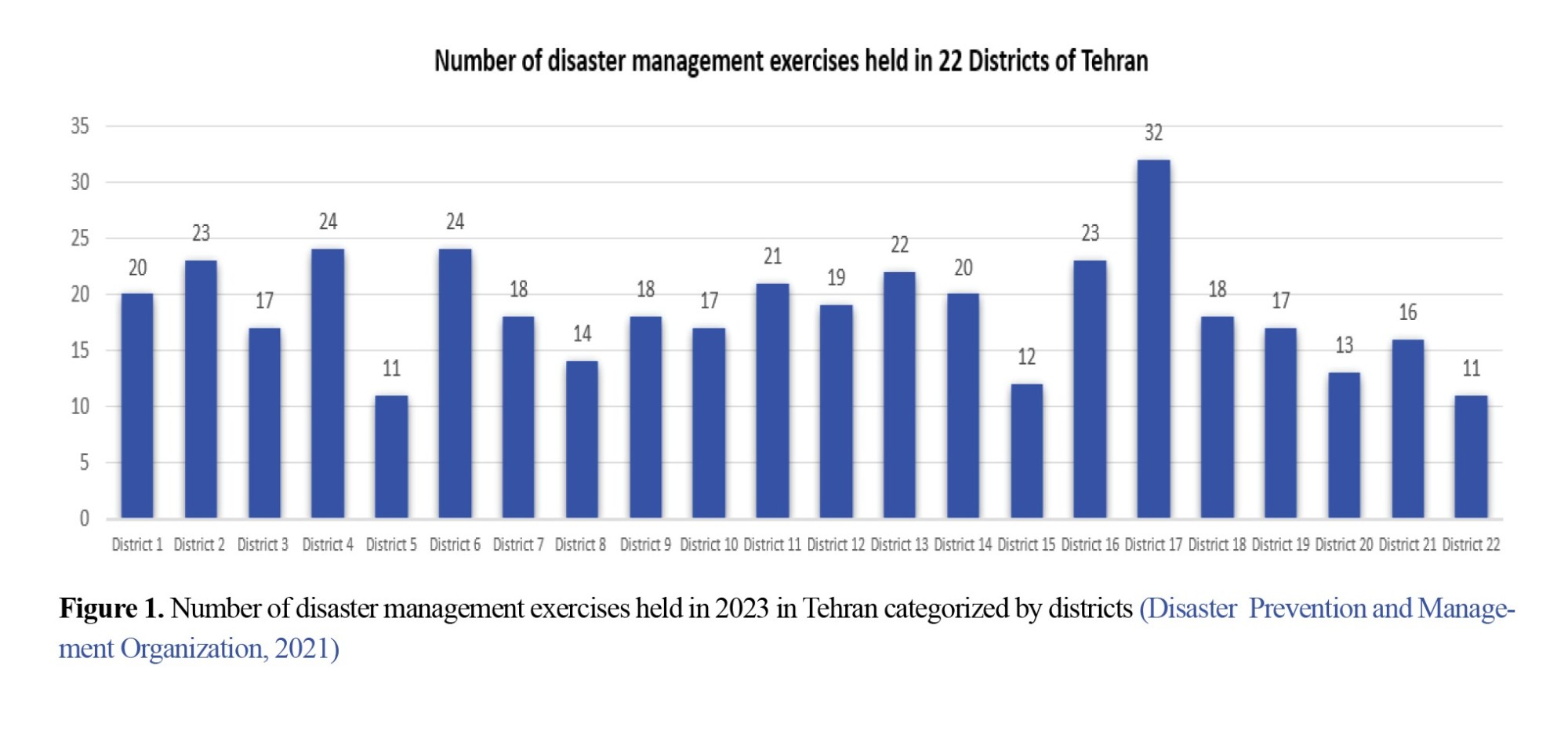
Table 1 presents the number of exercises categorized by disasters.
Holding an exercise alone does not provide all of its potential benefits; rather, these benefits are created through the careful design and implementation of the exercise, its systematic evaluation, and the follow-up of its implementation and the plans made in response to the results. One of the main challenges in implementing disaster management exercises is the lack of a suitable structural model for design, evaluation, and continuous improvement (Khan et al., 2023).
 Literature review
One of the methods commonly used for the development of knowledge and skills in disaster responders is the holding of emergency planning exercises, which can be divided into two forms: discussion-based and operational (Berlin & Carlstrom, 2014; Sinclair et al., 2012). Since operational exercises are able to simulate real-life situations, many emergency risk managers believe that only these types of exercises are helpful; however, this is not true! Some of these exercises are costly and often unrealistic and ineffective. Of course, discussion-based exercises also have their drawbacks and weaknesses, but to strengthen coordination and increase the ability to make major and vital decisions during emergencies and disasters, costly and complex simulations are not necessarily needed (National Disaster Management Law, 2019). Discussion-based exercises include orientation seminars, workshops, tabletop exercises, games, simulation-based exercises, modeling-based exercises, and computer simulations. Operational exercises include drills, functional exercises, and full-scale exercises.
Torpan et al. (2025) discussed how tabletop exercises can be used as part of a vulnerability assessment to systematically identify a wide range of communication barriers to a disaster that may put people at risk. They used a complex scenario that included risks from extreme weather conditions, disruption of vital services, and the spread of misinformation about the disaster. Their results showed that the proposed tabletop exercise could help anticipate potential barriers to accessing disaster information and uncover capacity gaps in officials responsible for managing communications during a disaster. Waring et al. (2024) evaluated the learning benefits of full-scale emergency exercises, after studying the evidence from 31 articles published since 2000, and found several learning benefits, including improved critical thinking, knowledge of roles and responsibilities, how to implement emergency plans, communication and collaboration, confidence in ability to respond, and reduced stress. These benefits are facilitated by exercise realism, exercise duration, pre-exercise preparation activities, and debriefing. Abualenain et al. (2024) addressed this issue in a systematic review of the effectiveness of full-scale simulation exercises in improving hospital disaster preparedness. The focus was on hospital staff involved in disaster and emergency preparedness training. They found that the studies consistently demonstrated a positive impact on participants’ skills, as well as identifying safety issues in hospital settings. Moreover, they revealed that simulations effectively addressed crucial areas for improvement in disaster response, including communication breakdowns, equipment deficiencies, and flaws in emergency plans. They concluded that full-scale simulation exercises are a preparatory learning tool to test facility and staff readiness for complex emergencies.
Moss and Gaarder (2022) examined exercises for mass casualty preparedness, finding that conducting discussion-based and operational exercises made employees feel better prepared. Exercising should be tailored to the needs and likely challenges of each healthcare system. They showed that small repetitive exercises would be beneficial because most organizations would not be able to conduct large-scale repetitive exercises. The best result of holding exercises is the ability of the organization and individuals to detect and address errors that are occurring in real time. McElroy et al. (2019) identified several opportunities for improvement in full-scale exercises as a regional preparedness test. The major weaknesses noted in communication and coordination from event sites to the regional trauma organizations and hospitals. The size and complexity of the exercise provides the experience and knowledge needed to prepare for future disasters and reveal the weaknesses. Sheikhbardsiri et al. (2020) addressed this issue in their study of an operational exercise for disaster assessment and emergency preparedness in south of Iran. Their research revealed that the universities of medical sciences in the southeastern hub of Iran are properly prepared for emergencies and disasters. This included the Disaster Medical Assistance Teams and the response operational comprehensive plan for emergencies and disasters. Their findings indicated a preparedness score of 79.8%. The mean arrival time at exercise area (Jiroft City) was 4 hours 35 minutes despite the wide area of Kerman and Sistan & Baluchistan provinces. Personnel safety and security, rapid assessment, communications, logistics, warnings, and news confirmation functions showed higher levels of preparedness.
Khairilmizal et al. (2020) conducted a study on dissecting the challenges of the lead responding agency during disaster management exercises. They found challenges in each element of effective disaster management including command structure, planning and information management, communication, situation awareness and finally resources and logistics. Donevant et al. (2019) conducted a study on designing and executing a functional exercise to test a novel informatics tool for mass casualty triage. Their purpose was to validate an informatics tool specifically designed to identify and triage victims of irritant gas syndrome agents. Skryabina et al, (2020) assessed the role of emergency preparedness exercises in the response to a mass casualty terrorist incident. The reported benefits including improved coordination of the response through adherence to recently practiced incident plans; confidence with response roles; real-time modifications of the response and support provided to staff who did not take part in exercises. Exercise recency was highlighted as an important facilitating factor. Kim (2013) explored the current practices of simulation exercises in Korea and made desirable recommendations for the future of Korean simulations to increase their learning effectiveness.
Among studies in Iran, Kolahi Dehkordi and Gholami (2017) examined and prioritized the problems in conducting operational exercises and maneuvers for disaster preparedness. They reported that the most significant barriers were management issues and a lack of scenario preparation. Lack of coordination in carrying out operations and the lack of appropriate facilities and equipment, due to lack of proper management, were other problems in carrying out operations. Farhadi et al. (2017) presented a model for developing emergency scenarios and examining the compliance of implemented scenarios, emphasizing the need to use a single model for developing emergency response scenarios and training the people involved.
The literature review shows that most studies and evaluations have focused on the health and hospital sectors, and studies on exercises in urban management are less considered and the related studies in Iran are very limited. We found no study on finding the barriers to exercises held in Tehran, specifically in its 22 districts. In this regard, the present study aimed to identify barriers and areas in need of improvement by reviewing documents, instructions, and reports from exercises held in 22 districts of Tehran, and to propose solutions for improving exercises in disaster management and passive defense departments.
Materials and Methods
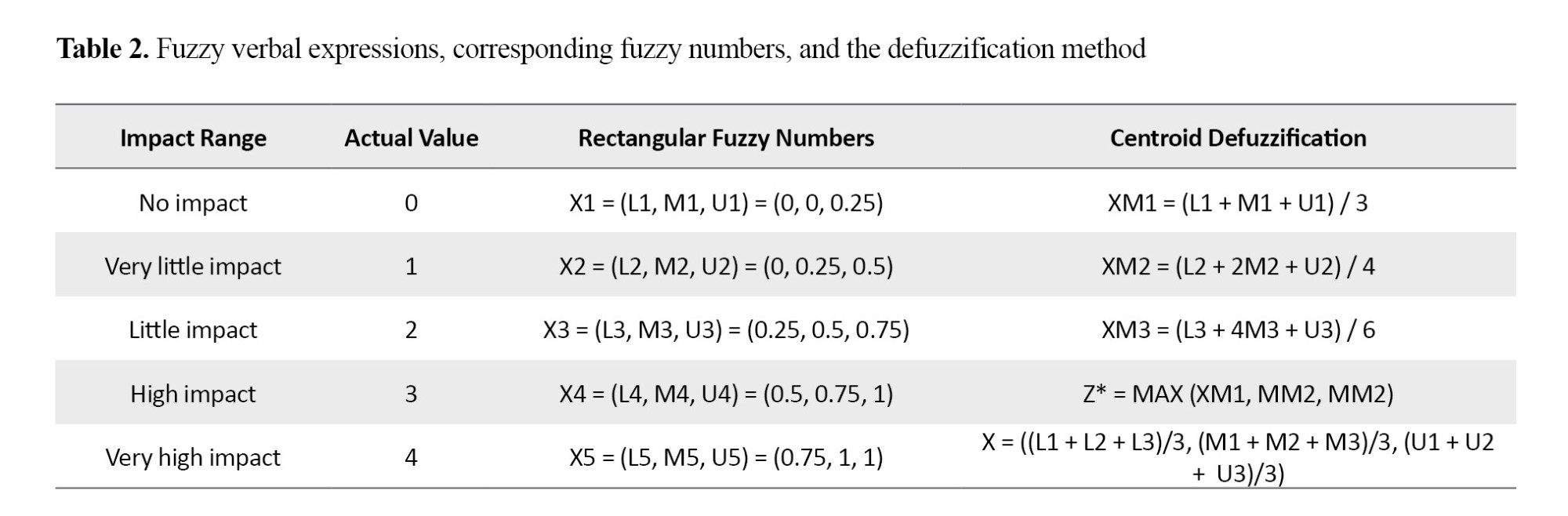
This is a mixed-method study, comprising three approaches: qualitative analysis, fuzzy Delphi approach, and interpretive structural modeling (ISM). In the first stage, barriers and areas for improvement were identified through a qualitative content analysis of the performance reports from the exercises in 22 districts. After two stages of monitoring using the Fuzzy Delphi technique, key barriers were agreed upon by the experts. Table 2 presents the set of fuzzy numbers and the corresponding verbal expression and the defuzzification method.
Next, based on the effectiveness of key barriers, a questionnaire was designed and completed by the experts. Then, the structural self-interaction matrix (SSIM) and the final reachability matrix (RM) were formed, the relationships between barriers were determined, and finally, the ISM diagram was drawn. Figure 2 presents the flowchart of the study process. The participants included experts, managers, and planners from the Tehran Disaster Mitigation and Management (TDMMO), who were selected purposefully based on their expertise and membership in the disaster exercise planning and execution team.
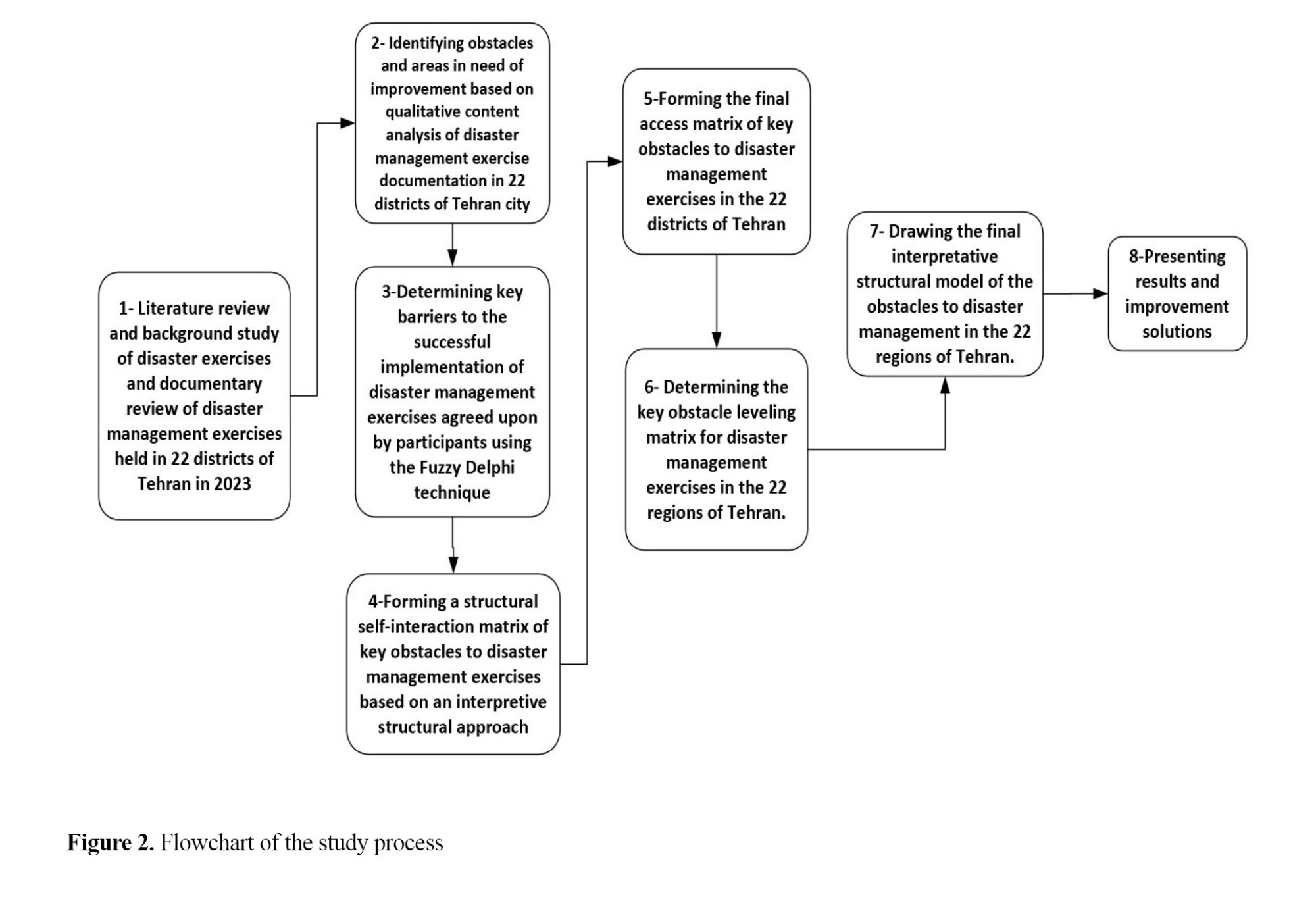
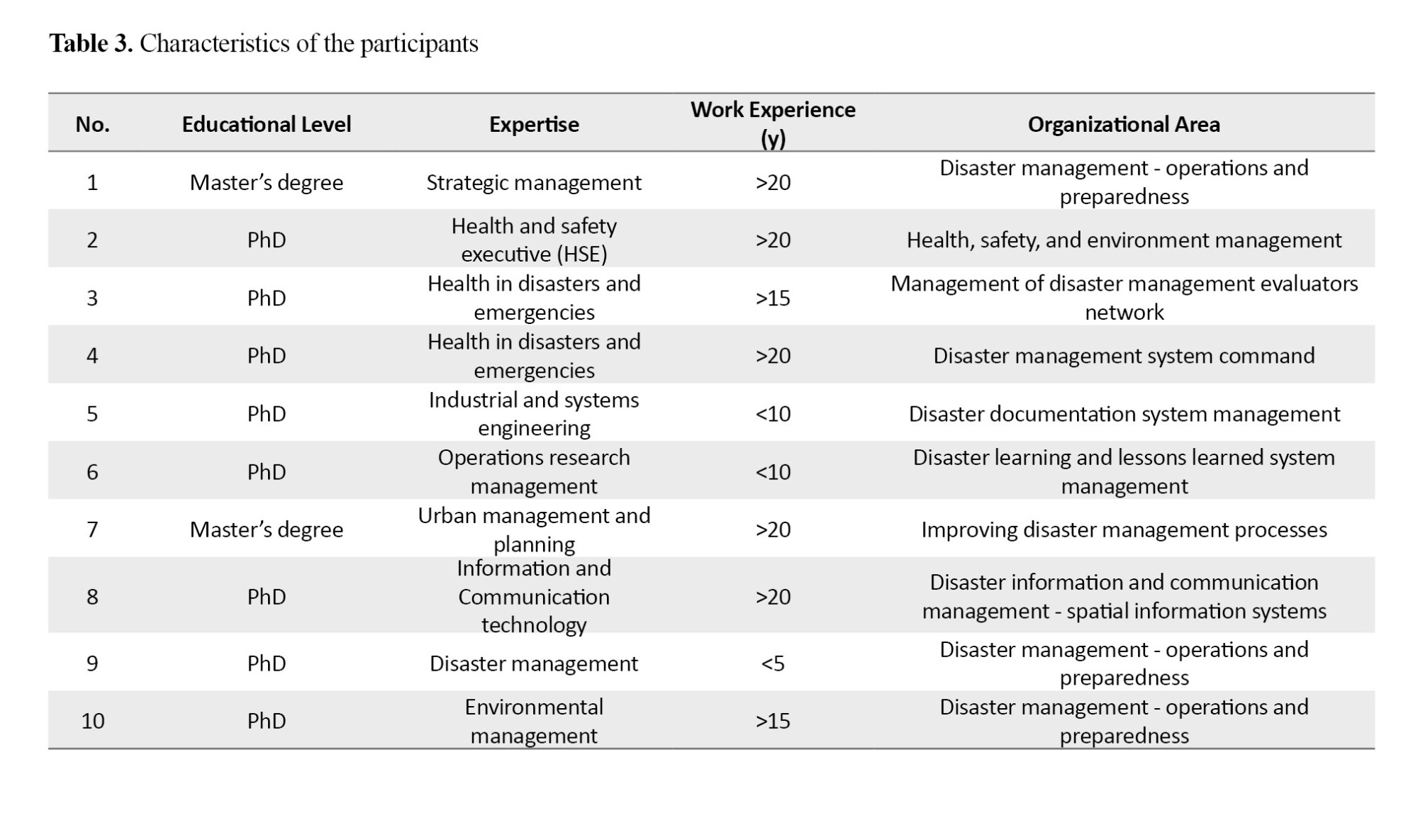
Table 3 shows the characteristics of the participants.
 Results
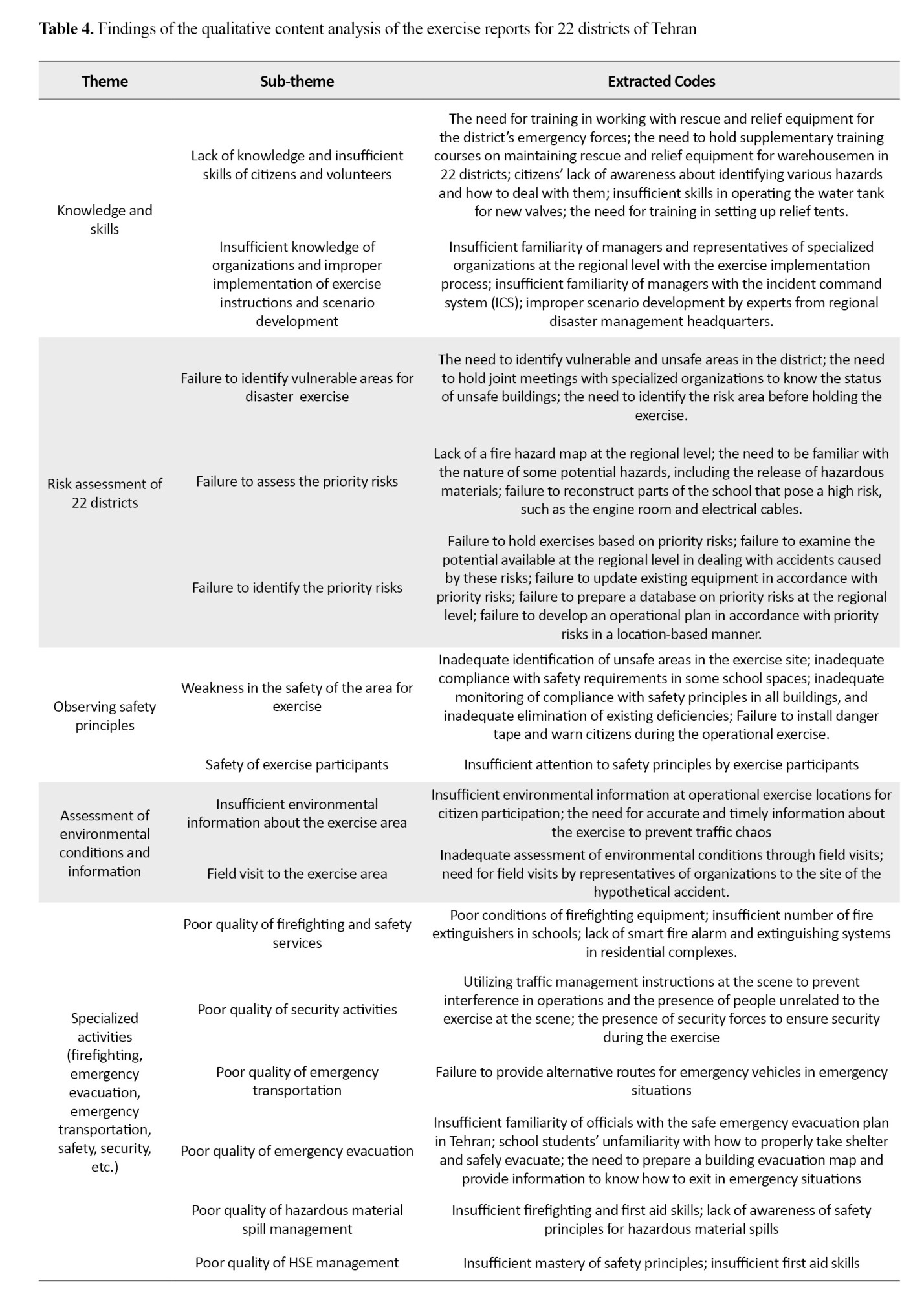
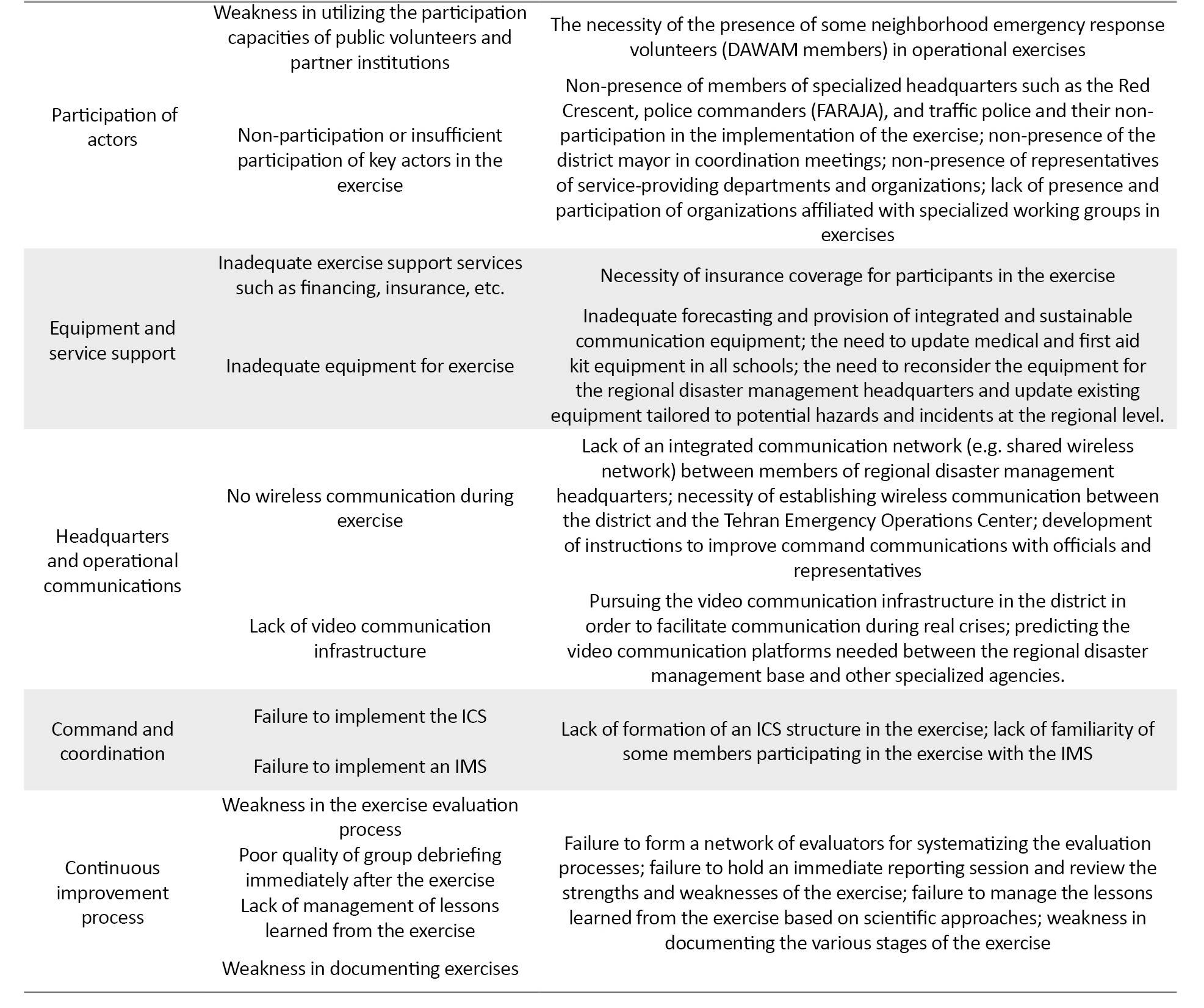
After reviewing and analyzing the content of the exercise documents and reports, a list of barriers and areas for improvement in the exercises held was first identified and categorized. The extracted barriers were classified into 10 themes and 27 sub-themes as shown in Table 4.
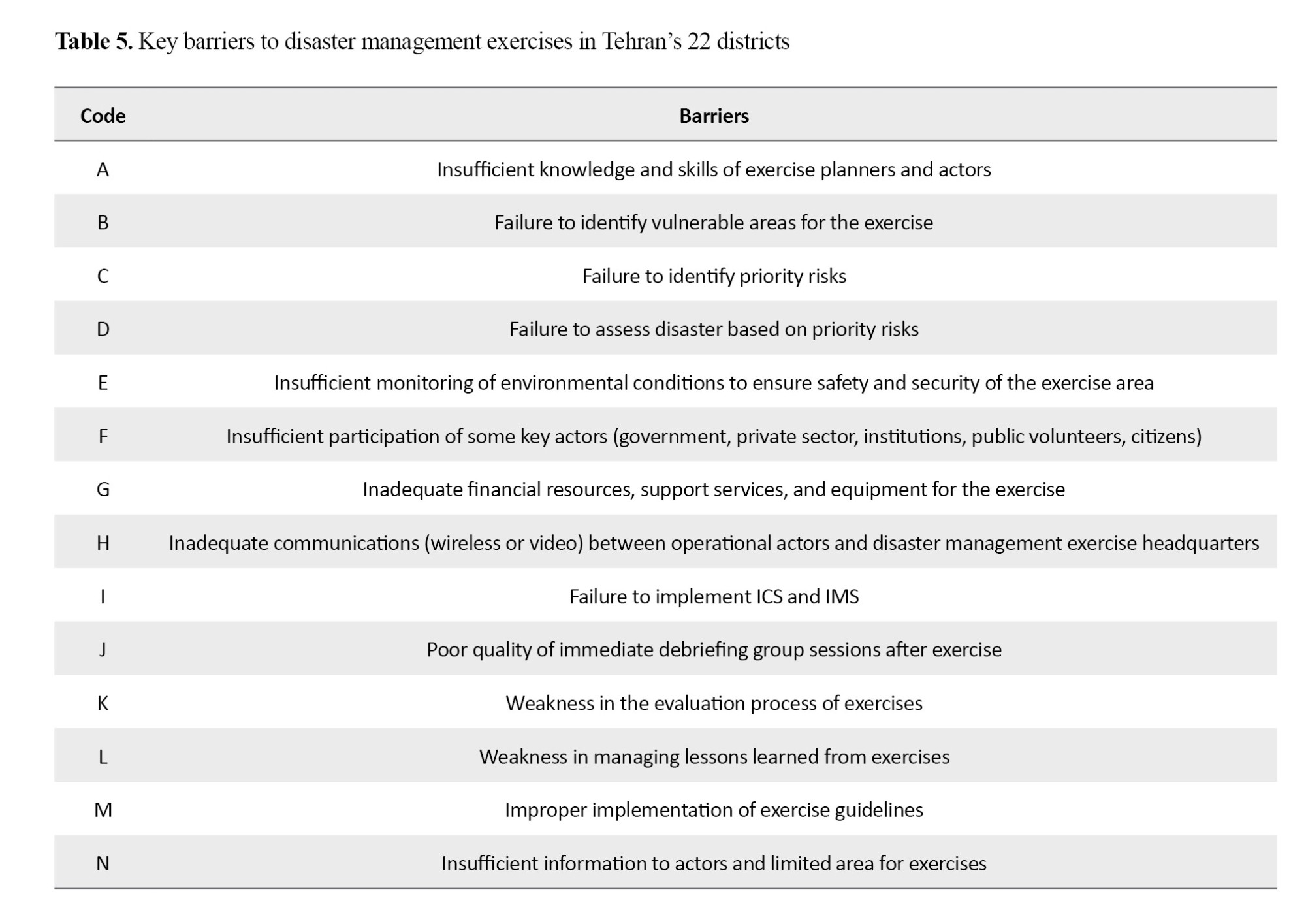
Based on the two-stage fuzzy Delphi technique, experts were asked to determine the level of effectiveness of the identified barriers by designing a questionnaire based on a five-point fuzzy spectrum (Table 1). After making some modifications, the key barriers were agreed upon by the experts. Finally, after screening and eliminating less important barriers, 14 key barriers were selected (Table 5).
Next, based on the ISM, a questionnaire was designed to extract and determine the effectiveness and susceptibility of barriers, and experts were asked to examine the effective barriers in pairs, and based on this comparison, a SSIM was created. Based on this matrix, the respondent determined the relationships between the variables using the following symbols: V= variable i helps to realize variable j; A= variable j helps to realize variable i; X= variables i and j both help to realize each other; O= variables i and j are not related to each other. Table 6 presents the results.
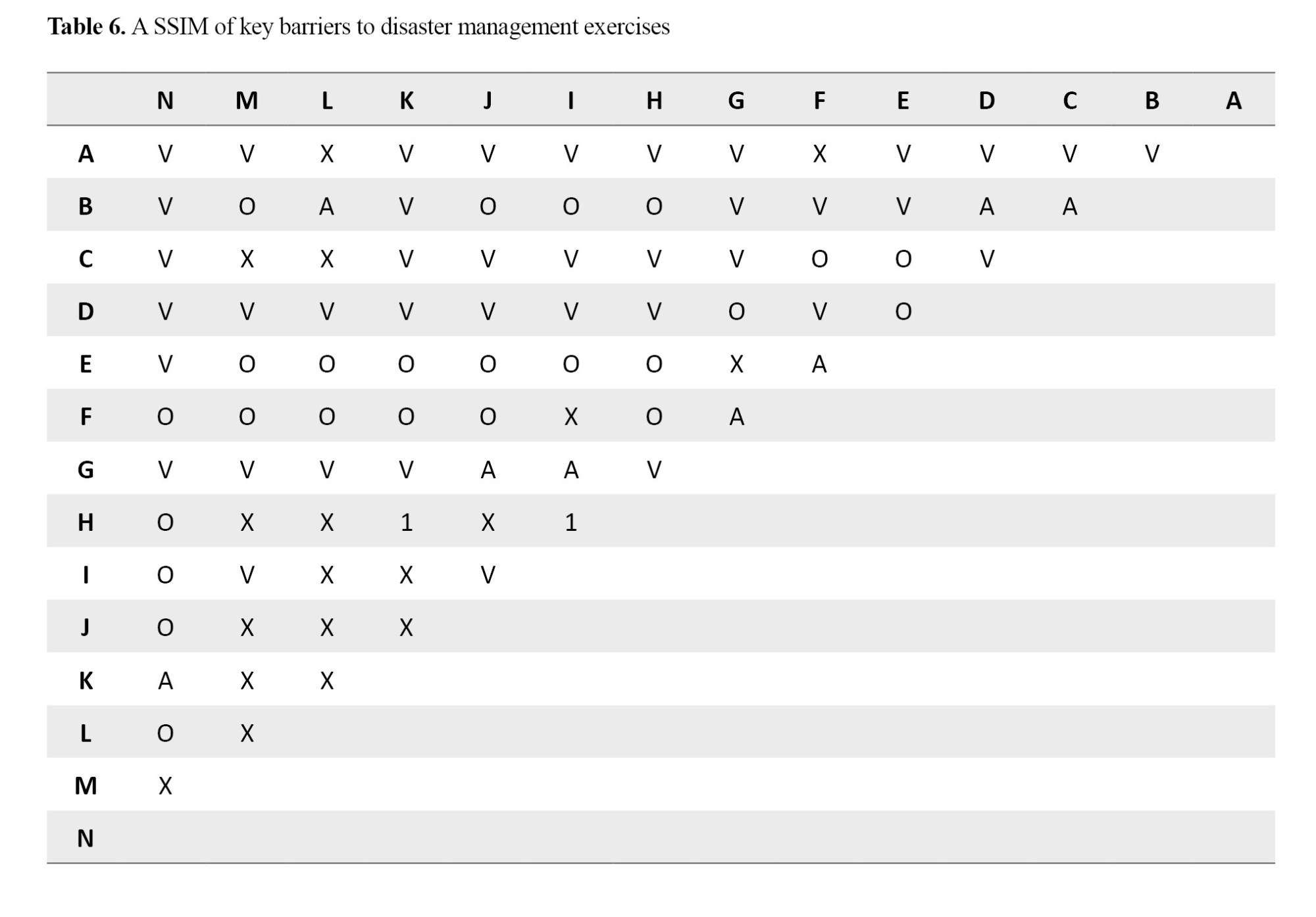
In the next step, the SSIM was converted into an initial RM, shown in Table 7.
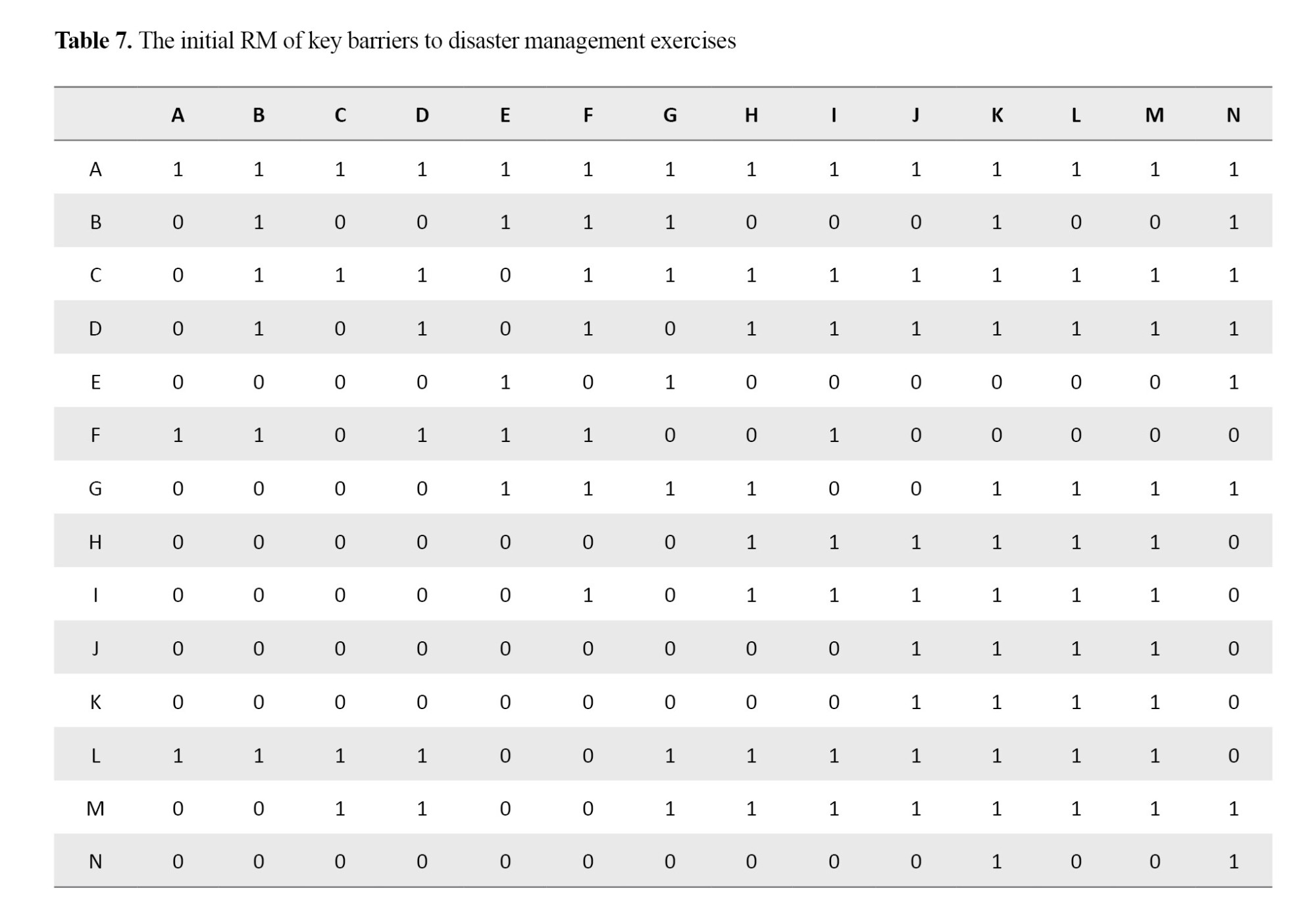
Then, by including the transitivity of variable relations, the final RM was formed (Table 8).
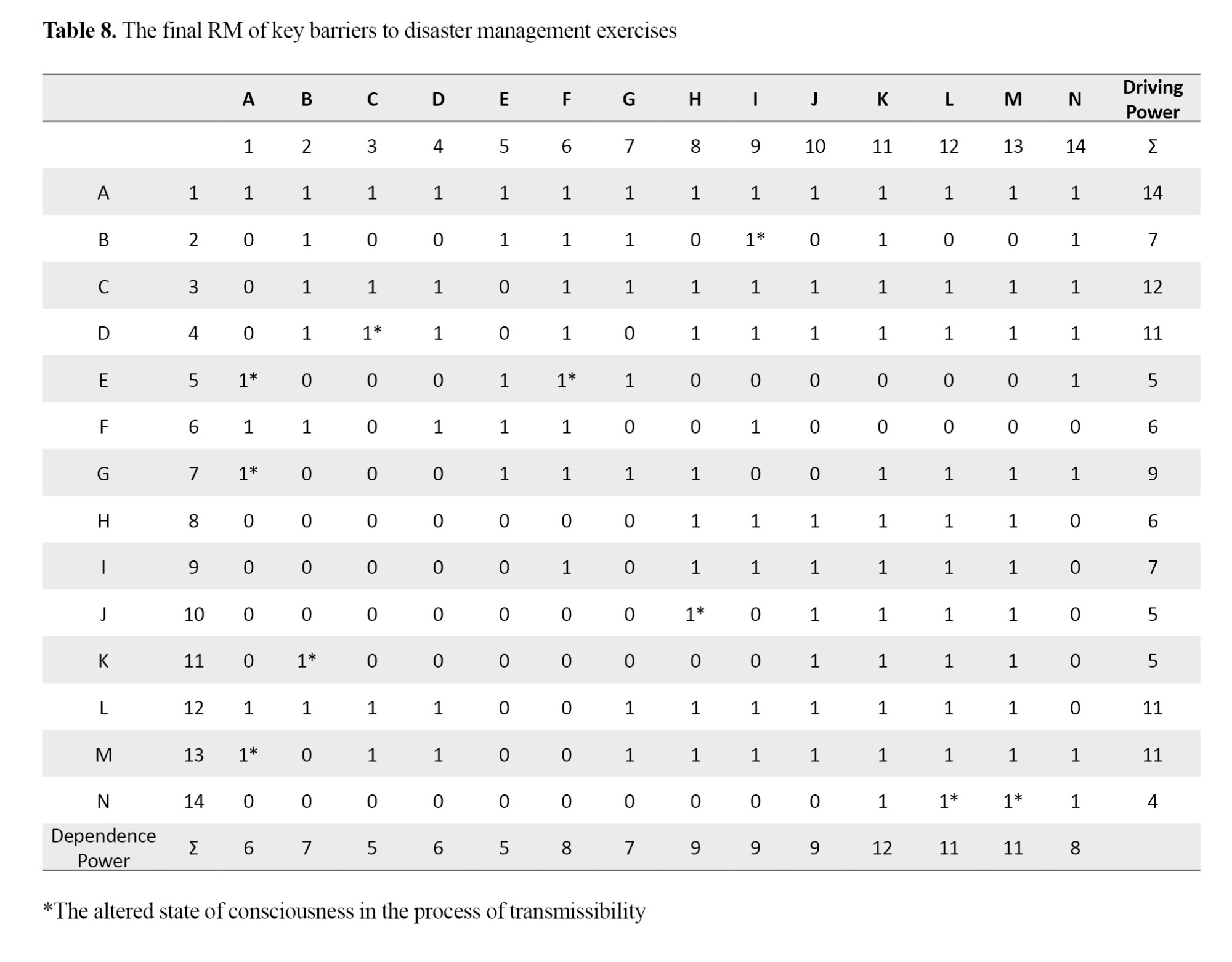
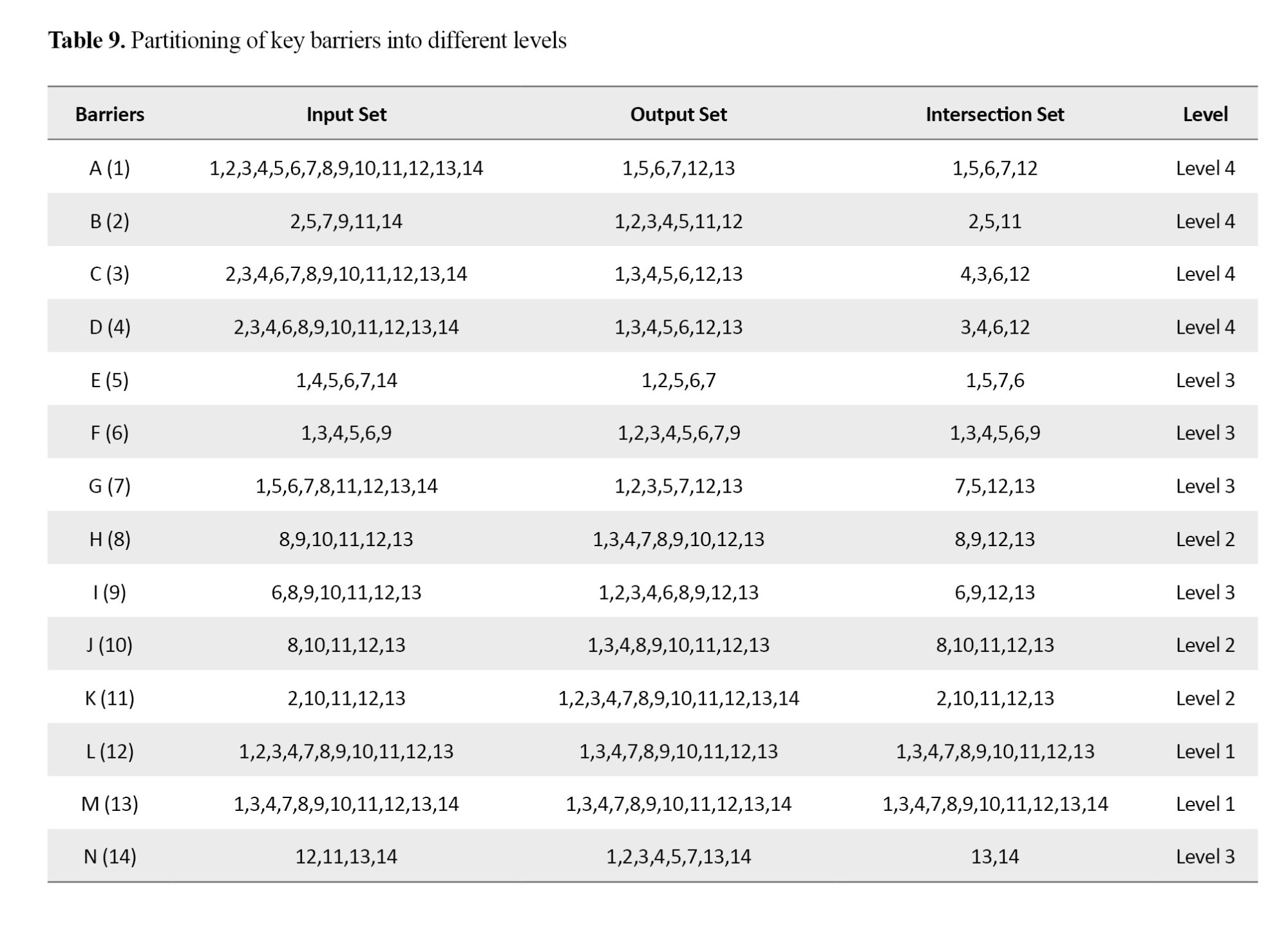
In the next step, using the final RM, the input, output, and intersection sets of each barrier were obtained (Table 9). The barriers whose reachability and intersection sets were completely similar were placed at the top of the ISM hierarchy. This operation was repeated until the components of all levels were determined.
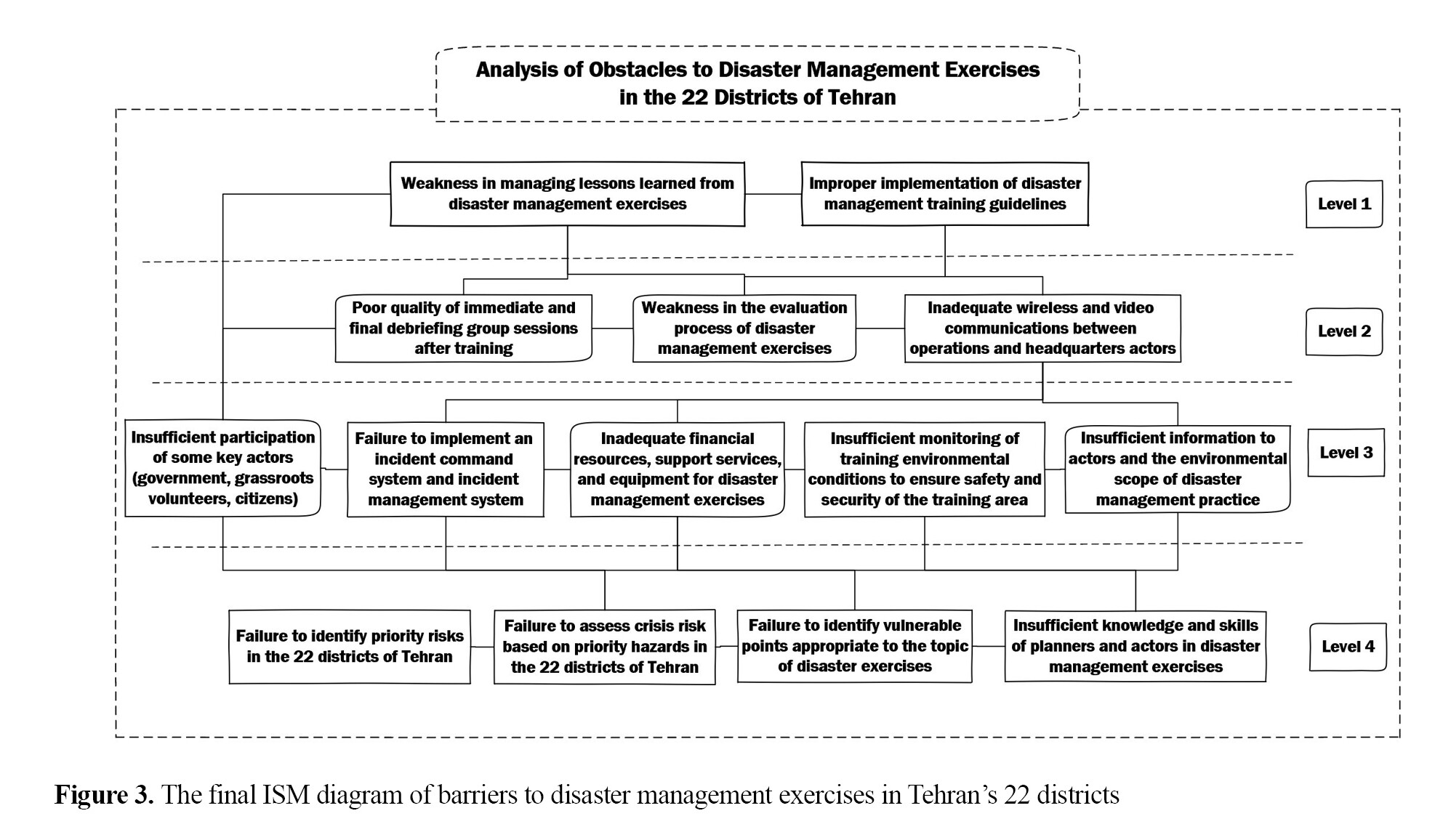
By considering the levels of variables and the final RM, the initial ISM diagram was drawn. After removing the transitivity from the initial diagram, the final diagram was drawn as shown in Figure 3.
 Discussion
In this study, the barriers to disaster management exercises in Tehran’s 22 districts were categorized into four levels based on the ISM approach. Level 4 barriers, as the most fundamental ones indicating the areas requiring improvement in disaster management exercises, included: Insufficient knowledge and skills of exercise planners and actors, failure to identify vulnerable areas for the exercise, failure to identify priority risks, and failure to assess disaster based on priority risks. These barriers have a high impact on the effectiveness of disaster management exercises. Level 3 barriers included: Insufficient monitoring of environmental conditions to ensure safety and security of the exercise area, insufficient participation of some key actors (government, private sector, institutions, public volunteers, citizens), inadequate financial resources, support services, and equipment for the exercise; failure to implement (ICS) and incident management system (IMS, and insufficient information to actors and limited area for exercises. Level 2 barriers included: Inadequate communications (wireless or video) between operational actors and disaster management exercise headquarters, poor quality of immediate debriefing group sessions after exercise, and weakness in the evaluation process of exercises. Level 1 barriers included: Weakness in managing lessons learned from exercises, and improper implementation of exercise guidelines.
Conclusion
Considering the identified barriers to disaster management exercises in Tehran’s 22 districts, following recommendations are provided:
Planning exercises based on the risk assessment results: After the identification of priority risks in Tehran, their assessment should be done in 22 districts, and the topic, learning objectives, exercise scenarios, and vulnerable areas should be determined based on the results of this risk assessment for the districts.
Educational planning to improve the knowledge and skills of exercise actors: Improving the knowledge and skills of actors requires needs assessment, training planning tailored to the roles of actors, and retraining courses. Training in general and specialized areas (firefighting, emergency evacuation, emergency transportation, safety, first aid, security, etc.) for organizational representatives and other participants in the exercise such as DAWAM members, citizens, etc., are needed.
Ensuring that planners and organizers have a common understanding and awareness of the exercise implementation process: Given the insufficient familiarity of managers and representatives of specialized organizations at the regional level with the exercise implementation process and the ICS, or the inappropriate development of scenarios by experts from regional disaster management headquarters, it is recommended that training seminars and briefing sessions be planned to ensure a common understanding of the exercise implementation process.
Increasing the participation of key actors and partner institutions in the implementation of exercises: In addition to requiring the presence of key actors from the municipalities of 22 districts, it is recommended to increase the participation of members of specialized working groups of the Tehran Disaster Management Headquarters, such as the Red Crescent, FARAJA, the Traffic Police, and other representatives of service organizations.
Strengthening the functioning and coordination of disaster management exercises: Given the lack of ICS and IMS, it is necessary to strengthen the function and coordination of exercises.
Strengthening the infrastructure of an integrated communication network for disaster management headquarters: Given the inadequate video communication infrastructure and the lack of an integrated communication network (shared wireless network) between members of disaster management headquarters and the Tehran Emergency Operations Center, it is necessary to prepare the required communication platforms at the regional level.
Investing and providing financial resources to update equipment and support services: Reviewing and updating the equipment required for disaster management commensurate with the risks and results of the risk assessment requires investment and funding planning. In addition, it is recommended to consider the budget line and finance the exercise support services.
Improving the compliance with safety principles and environmental information within the exercise site: It is recommended that participants in the exercise observe safety principles, provide environmental information about the exercise area, conduct a field visit to the exercise site and identify insecurities in the site, and install danger tapes and caution citizens during the exercise operation.
Streamlining exercise learning processes, including documentation, evaluation, and management of lessons learned: In order to streamline the learning processes of exercises, designing evaluation frameworks based on the learning objectives of the exercise, systematizing the evaluation activities, documenting, and managing the lessons learned from the exercise based on scientific approaches are recommended.
Ethical Considerations
Compliance with ethical guidelines
Ethical requirements were met. Participants' consent was obtained verbally.
Funding
This article is part of a research project conducted at the Tehran Disaster Mitigation and Management (TDMMO). This research did not receive any specific grant from funding agencies in the public, commercial, or not-for-profit sectors.
Authors' contributions
The authors contributed equally to preparing this article.
Conflicts of interest
The authors declare no conflict of interest.
Acknowledgements
The authors would like to thank the participants, disaster management departments of 22 districts, Ali Nasiri (Deputy Mayor in Disaster Management and Passive Defense), and the Head of Tehran Disaster Mitigation and Management (TDMMO) for their assistance and cooperation.
Refrences
Abualenain, J., Alhajaji, R., & Alsulimani, L. K. (2024). A systematic review of the efficacy of full-scale simulation exercises in enhancing hospital disaster preparedness. The Journal of Medicine, Law & Public Health, 4(3), 419-446. [DOI:10.52609/jmlph.v4i3.133]
Albanese, J., & Paturas, J. (2018). The importance of critical thinking skills in disaster management. Journal of Business Continuity & Emergency Planning, 11(4), 326-334. [DOI:10.69554/TSSX1591]
Alexander, D. (2020). Disaster risk reduction. In W. R. Thompson (Ed.), Oxford Encyclopaedia of Politics. New York, NY: Oxford University Press. [Link]
Berlin, J. M., & Carlström, E. D. (2014). Collaboration exercises-the lack of collaborative benefits. International Journal of Disaster Risk Science, 5, 192-205. [DOI:10.1007/s13753-014-0025-2]
Country Disaster Management Organization. (2021). [National Preparedness and Response Plan. Appendix 6. National Exercise Plan (Tehran)]. Tehran: Country Disaster Management Organization.
Donevant, S. B., Svendsen, E. R., Richter, J. V., Tavakoli, A. S., Craig, J. B. R., & Boltin, N. D., et al. (2019). Designing and executing a functional exercise to test a novel informatics tool for mass casualty triage. Journal of the American Medical Informatics Association : JAMIA, 26(10), 1091–1098. [DOI:10.1093/jamia/ocz087] [PMID]
Farhadi, S., Mohammadfam, I., & Kalatpour, O. (2017). [Introducing a pattern for developing emergency scenarios in industries and studying the conformity of the exercised scenarios in the process industries with the presented pattern (Persian)]. Iran Occupational Health, 14 (2), 72-81. [Link]
Khairilmizal, S., Yassin, A. M., Husna, K. A., Kasri, H., Saadun, J., & Hussin, M. F. (2020). Dissecting the Challenges of the Lead Responding Agency During Disaster Management Exercises. Global Business & Management Research, 12(1), 42-51. [Link]
Khan, S. M., Shafi, I., Butt, W. H., Diez, I. D. L. T., Flores, M. A. L., & Galán, J. C., et al. (2023). A systematic review of disaster management systems: Approaches, challenges, and future directions. Land, 12(8), 1514. [DOI:10.3390/land12081514]
Kim, H. (2013). Improving simulation exercises in Korea for disaster preparedness. Disaster Prevention and Management, 22(1), 38-47. [DOI:10.1108/09653561311301961]
Kolahi Dehkordi, H., & Gholami, S. (2018). [The Investigation and Prioritization of current challenges in practical exercises and maneuver for preparation against natural disasters (Persian)]. Disaster Prevention and Management Knowledge, 7(4), 332-339. [Link]
Laws and Regulations Portal of Islamic Republic of Iran.(2019). [National Crisis Management Law(Persian)]. Tehran: National Crisis Management Law. [Link]
McElroy, J. A., Steinberg, S., Keller, J., & Falcone, R. E. (2019). Operation continued care: A large mass-casualty, full-scale exercise as a test of regional preparedness. Surgery, 166(4), 587-592. [DOI:10.1016/j.surg.2019.05.045] [PMID]
Mizrak, K. C. (2024). Crisis management and risk mitigation: Strategies for effective response and resilience. In F.Mizrak (Ed.), Trends, challenges, and practices in contemporary strategic management( pp. 254-278). Turkey: Nisantasi University. [DOI:10.4018/979-8-3693-1155-4.ch013]
Moss, R., & Gaarder, C. (2022). Exercising for mass casualty preparedness. British Journal of Anaesthesia, 128(2), e67-e70. [DOI:10.1016/j.bja.2021.10.016] [PMID]
Sinclair, H., Doyle, E. E., Johnston, D. M., & Paton, D. (2012). Assessing emergency management training and exercises. Disaster Prevention and Management: An International Journal, 21(4), 507-521. [DOI:10.1108/09653561211256198]
Sheikhbardsiri, H., Yarmohammadian, M. H., Khankeh, H., Khademipour, G., Moradian, M. J., & Rastegarfar, B., et al. (2020). An Operational Exercise for Disaster Assessment and Emergency Preparedness in South of Iran. Journal of Public Health Management and Practice : JPHMP, 26(5), 451–456. [DOI:10.1097/PHH.0000000000000815] [PMID]
Skryabina, E. A., Betts, N., Reedy, G., Riley, P., & Amlôt, R. (2020). The role of emergency preparedness exercises in the response to a mass casualty terrorist incident: A mixed methods study. International Journal of Disaster Risk Reduction : IJDRR, 46, 101503. [DOI:10.1016/j.ijdrr.2020.101503] [PMID]
Torkian, M., Daneshfard, K., Valikhani, M., & Pilevari, N. (2022). [Presenting a model of effective factors on the implementation of Iran's crisis management policies with an interpretive structural approach (Persian)]. Housing and Rural Environment, 41(178), 35-48. [DOI:10.22034/41.178.35]
Torpan, S., Orru, K., Hansson, S., & Klaos, M. (2025). Using a table-top exercise to identify communication-related vulnerability to disasters. International Journal of Disaster Risk Reduction, 119, 105264. [DOI:10.1016/j.ijdrr.2025.105264]
Waring, S., Moisi, I., Barrett, C., & Gordts, S. (2024). Identifying what components of full-scale emergency exercises improve disaster response learning: A rapid evidence assessment. International Journal of Disaster Risk Reduction, 104, 104390. [DOI:10.1016/j.ijdrr.2024.104390]
Waring, S., Alison, L., Carter, G., Barrett-Pink, C., Humann, M., & Swan, L., et al. (2018). Information sharing in interteam responses to disaster. Journal of Occupational and Organizational Psychology, 91(3), 591–619. [DOI:10.1111/joop.12217] [PMID]
Wentworth, J. (2021). Horizon scanning: Preparing for more extreme climate impacts and disasters. London: UK Parliament. [Link]
World Health Organization. (2017). WHO Simulation Exercise Manual. Geneva: World Health Organization. [Link]
Zabetian, R., Esmaeili, M. R., Haji Enzehaei, Z., & Manochehri, J. (2024). [Designing an Interpretive Structural Model for Managing the Effect of Economic Crisis on Sports (Persian)]. Sport Management Journal, 16(2), 179-156. [Link]


 , Azizollah Salimi Tari2