Introduction
Firefighting is one of the most important professions, and its effective performance is closely linked to protecting people’s lives and property. The performance of firefighters in extinguishing urban fires is a major concern for fire departments. This has led to the identification of operational reliability as a key goal of fire departments. Therefore, extensive efforts have been made to enhance firefighters’ performance. To improve their performance, given the lack of physical space in some areas, it is necessary to examine and explore the factors affecting it. To create a suitable platform for improving firefighter performance, firefighting equipment has also become an important indicator. The lack of facilities and equipment for firefighters during incidents can cause irreparable damage to their performance. In this regard, creating a suitable space for firefighters and their facilities and equipment to operate during incidents is a concern for fire department managers. Inappropriate urban design can create numerous challenges for firefighters during incidents. Because fire incidents occur suddenly, these barriers can adversely affect firefighters’ performance. Given the importance of maneuverability for firefighting vehicles equipped with ladders, lifts, and cranes, the failure to apply safety regulations in urban design underscores the need to examine the limitations of urban spaces. Dispatch forces and fire trucks need certain conditions in urban areas to improve their performance.
Due to the lack of studies on the impact of urban space limitations on firefighting performance during disasters, there is insufficient scientific evidence regarding the real effects of such limitations. Considering the characteristics of District 19 of Tehran city, Iran, and the existence of potential risk for fire incidents in this district, the present study aims to investigate the impact of urban space limitations on the performance of dispatched forces and fire trucks during a disaster. The research question is: Do urban space limitations affect the performance of dispatched forces and fire trucks during a disaster in the study region? The main research hypothesis was as follows: urban space limitations have a significant impact on the performance of dispatched forces and fire trucks during a disaster in District 19. The secondary hypotheses were as follows: dilapidated urban fabric, urban infrastructure problems, population growth, and public transportation problems affect the performance of dispatched forces and fire trucks in District 19.
Theoretical foundation and Literature review
In disaster management, urban space plays a fundamental role. Urban planning policies and principles governing urban spaces are one of the important issues in improving disaster management. Managing urban spaces and arranging them appropriately can help to manage natural and man-made disasters more appropriately (Calvet-Mir and March, 2019). Firefighter access to the incident area is an important issue in disaster management of urban settings (Stolf et al., 2019). Urban spaces should be designed in response to crisis situations (Shatkin, 2019). Also, changes in human response to disasters over time, along with rational planning, prevention, and education, are needed to mitigate their consequences (Ajorloo et al., 2023). Timely service provision by fire stations requires their deployment in appropriate locations and having the necessary equipment to respond to the needs of citizens (Padash and Khairdast, 2023). To address the inadequate distance of fire stations with historic and dilapidated buildings that lead to fire spread, some studies have been conducted by using the fire dynamic simulator (Zhang et al., 2024). A study in Europe showed that, between 2016 and 2022, firefighters were alerted by the e-call system 896 times. The shortest average intervention time was 47±37 min and was recorded in 2021. Also, the intervention time was significantly dependent on the number of cars involved in the incident (Kubiak et al., 2024). The early warning of fires is pivotal for preventing substantial economic losses and ecological damage. However, the enhancement of fire model generalization performance still faces challenges due to limitations in existing fire datasets, such as image quantity and heterogeneity (Wang et al., 2024).
Fires can cause significant human and financial losses in urban areas, which can be exacerbated by increased fire volume associated with higher wind speeds (Strydom and Savage, 2024). In disaster management, estimating response time plays a very important role. Firefighting response time is the time of the firefighting truck’s arrival at the incident site after receiving an emergency call. The use of appropriate parameters can be helpful for a successful emergency response (Bujang et al., 2023). To assess the time to reach a fire scene, the Particle Swarm Optimization and the Genetic Algorithm can be used, and to calculate the response time to the incident in the shortest possible time, the NFPA1720 standard can be employed (Kheirdoost et al., 2024). Assessing fire risk considering urban spatial constraints from socio-economic, landscape planning, and risk management perspectives is applicable in any country (Gültekin et al., 2024).
In recent years, the traditional approach to risk management in urban areas has shifted from focusing solely on reducing vulnerability and mitigating risk to increasing resilience. This new approach has created a better capacity to respond to disasters in urban areas (Moaddeb and Amini, 2023). Urban design management is an appropriate approach to addressing urban challenges, particularly disasters (Hajibabaee et al., 2013). Over time, the limitations of urban spaces have changed in the conflict between modernity and tradition (Ashori and Azizi, 2023). The increase in the size, population, and spatial elements and structures of cities has created physical-spatial complexities, making it difficult to understand urban relations and to recognize the main structure and texture of cities and their morphology through analysis of all urban components. Analyzing the spatial structure of cities requires methods that can respond to these complexities (Raheb and Farhadian, 2023). It is necessary that emergency facilities in cities, such as fire stations, be optimally located to respond to disasters quickly and efficiently. This is important because these facilities are created to provide emergency services; they must be able to cover the entire disaster area (Tahmasebi et al., 2020).
In today’s world, urban space limitation is one of the most significant urban planning problems (Nounjad et al., 2020). Natural and man-made disasters that have occurred in Iran in recent years indicate that cities have become increasingly vulnerable and the risks of fires have increased. The urban management approach to these disasters has focused on reducing risk and vulnerability (Khodabandehloo et al., 2024). Currently, almost every city has a large number of commercial streets that can form street canyons due to their narrow width and limited space. When a fire occurs on one side of a building, it may affect buildings on the other side of the street (Dong et al., 2024). Narrow streets, although facilitating the mobility and daily life of urban and rural residents, also pose fire safety concerns. Catastrophic combustion phenomena confined spaces can lead to significant loss of life and property (Wang Zhe et al., 2024) as well as problems such as difficult extinguishing, high fire rate, and long duration. Confined spaces pose significant risks to firefighters due to difficult accessibility, crowding, poor ventilation, and the presence of potentially toxic gases (Akano et al., 2024).
Study area
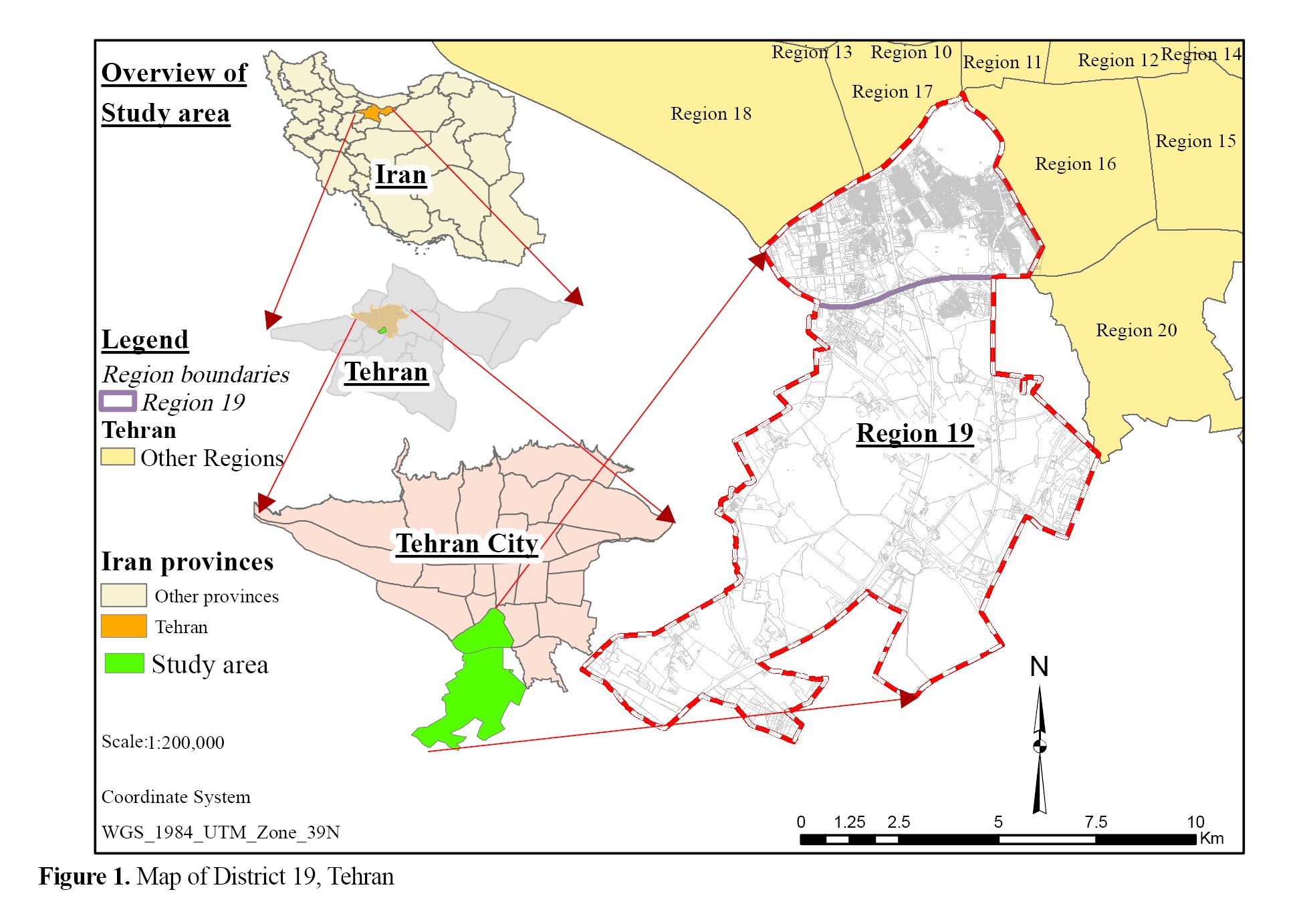
District 19 is located in the southernmost part of Tehran at a geographical position of 35° 62’80’’ N and 51° 36’27’’ S, and is adjacent to Districts 16, 17, 18, and 20. This district, with an area of 92 km2, has 13 neighborhoods and 5 regions; three regions (1, 2, and 3) are located in the urban area, north of the Azadegan Highway. They cover an area of 20 km2 and are home to 295,000 people, who live in 64,000 households, according to the latest statistics. Other regions (4 and 5) each include 13 villages and have an area of approximately 72 km2. The villages are located in the Aftab region according to the divisions made by the Iranian Ministry of Interior. Figure 1 shows the geographical location of District 19.
In this district, there are 8 fire stations for extinguishing, rescue, and support, of which 3 are outside the area (Figure 2, 3).
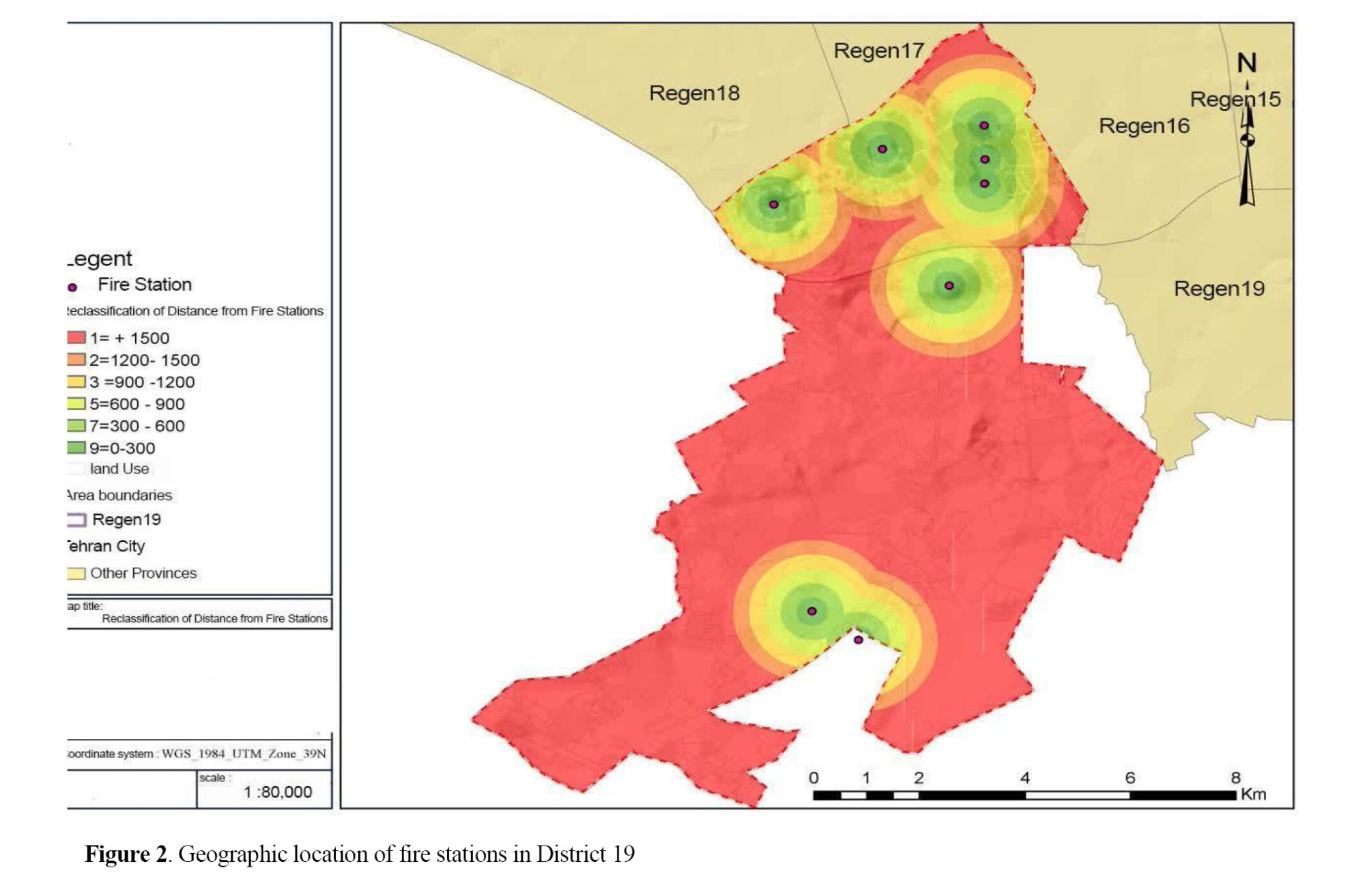
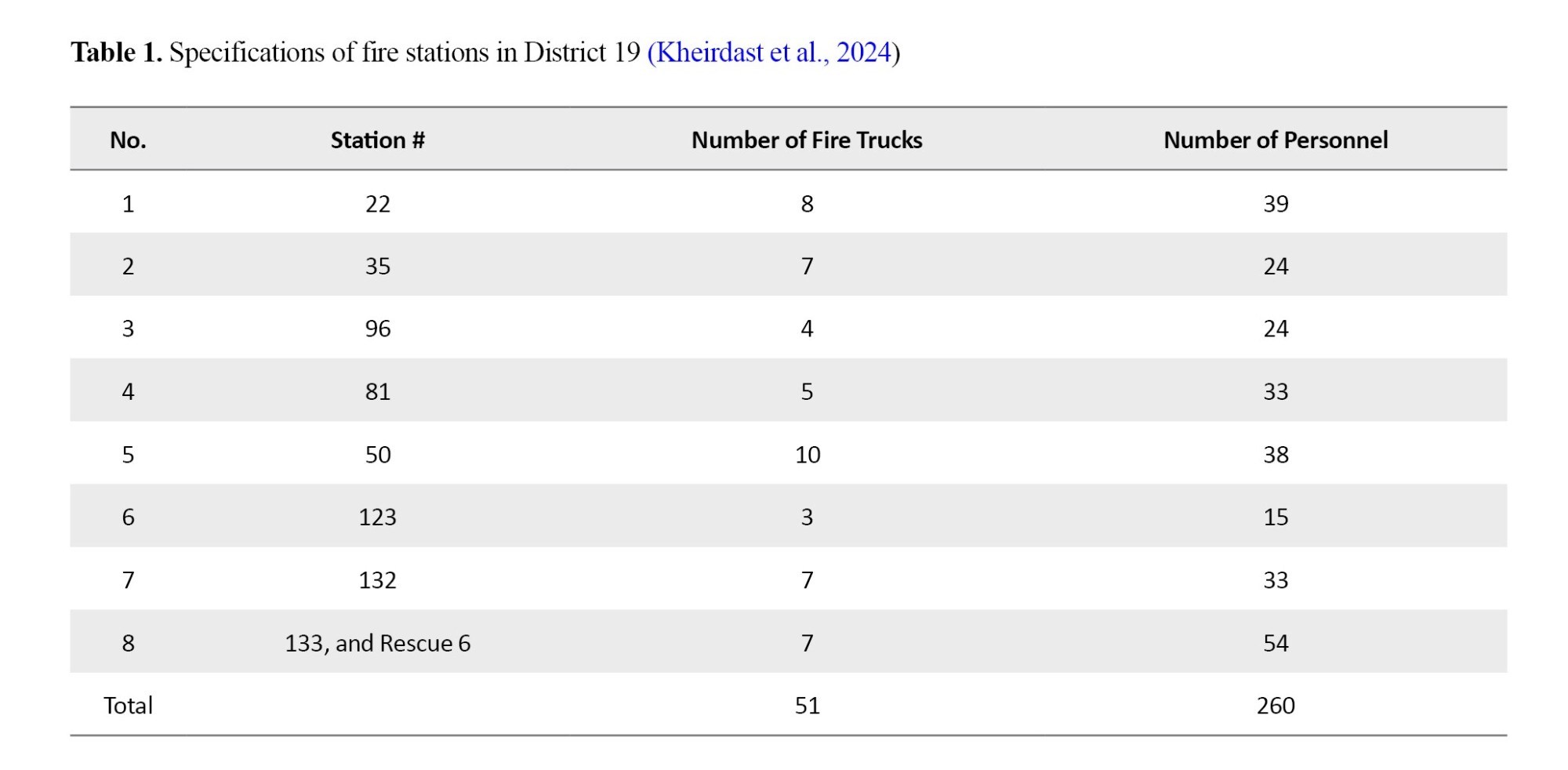
The number of operational forces and fire trucks in the district is presented in Table 1. Due to the size and population of this district, the existing fire stations cannot perform optimally during a disaster (Kheirdast et al., 2024).
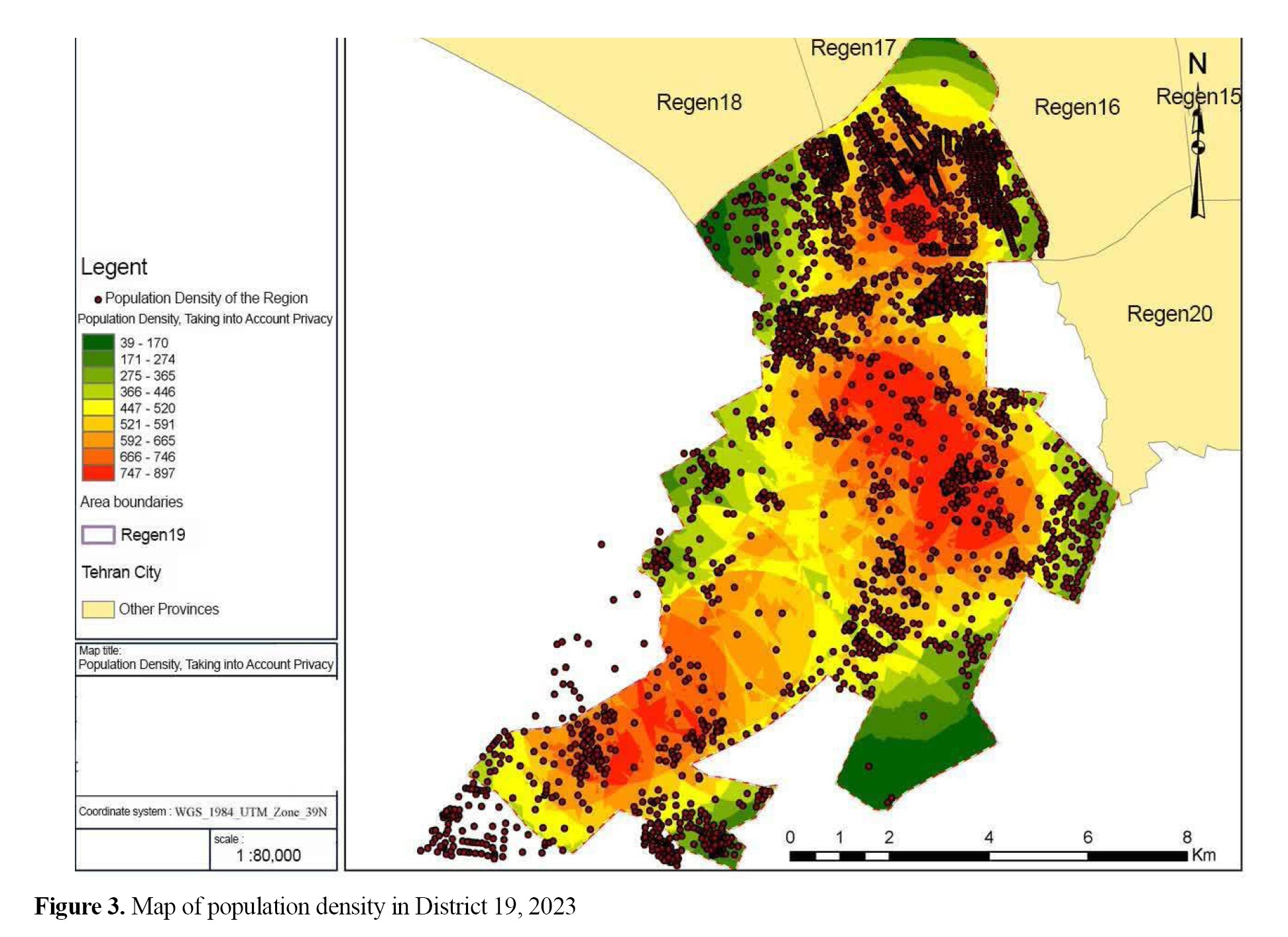
Among the regions in District 19, Region 1 has the highest building and population density, which is one of the sub-criteria for examining the performance of firefighters in our study. Figure 4 shows the population density of this region to examine the population growth.
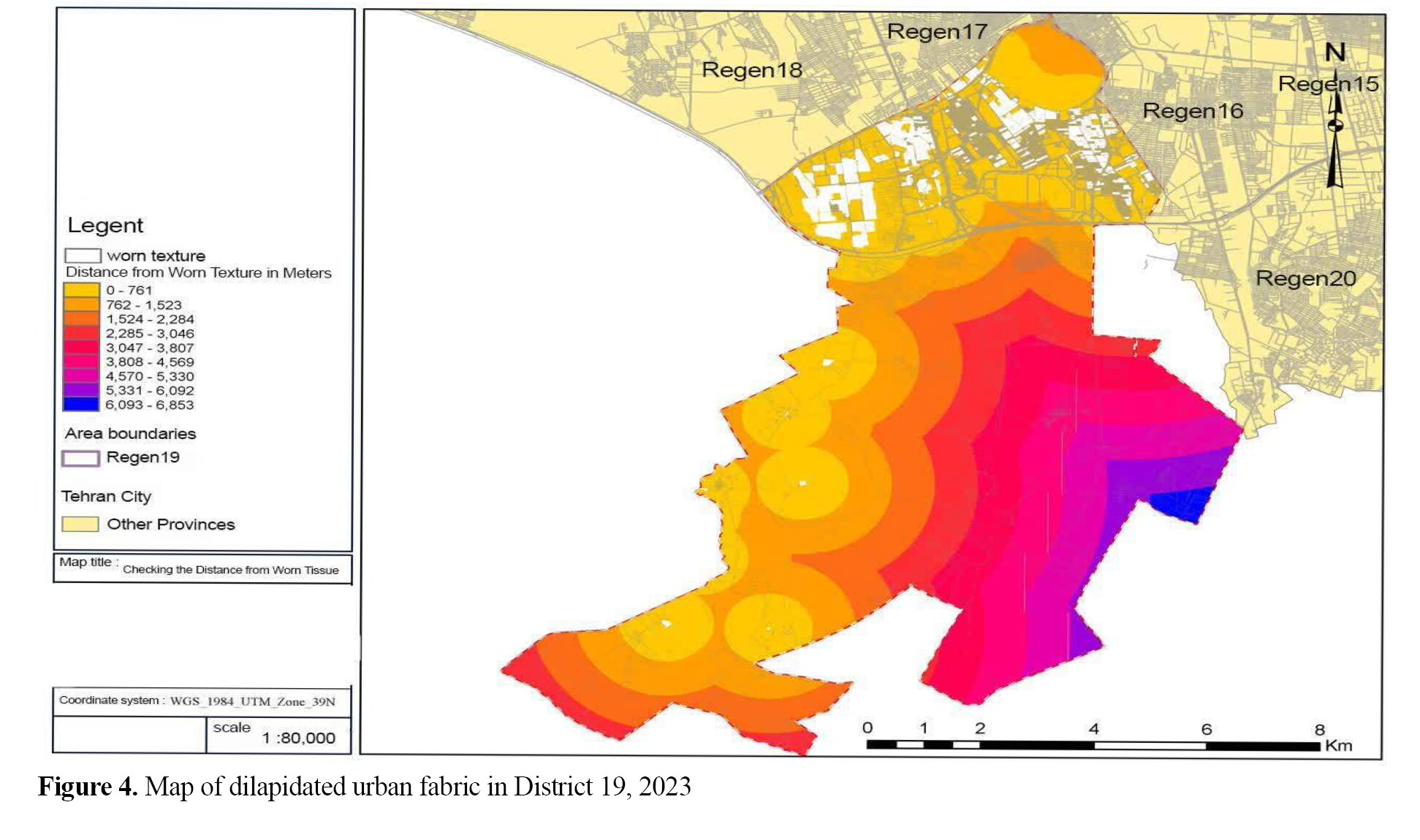
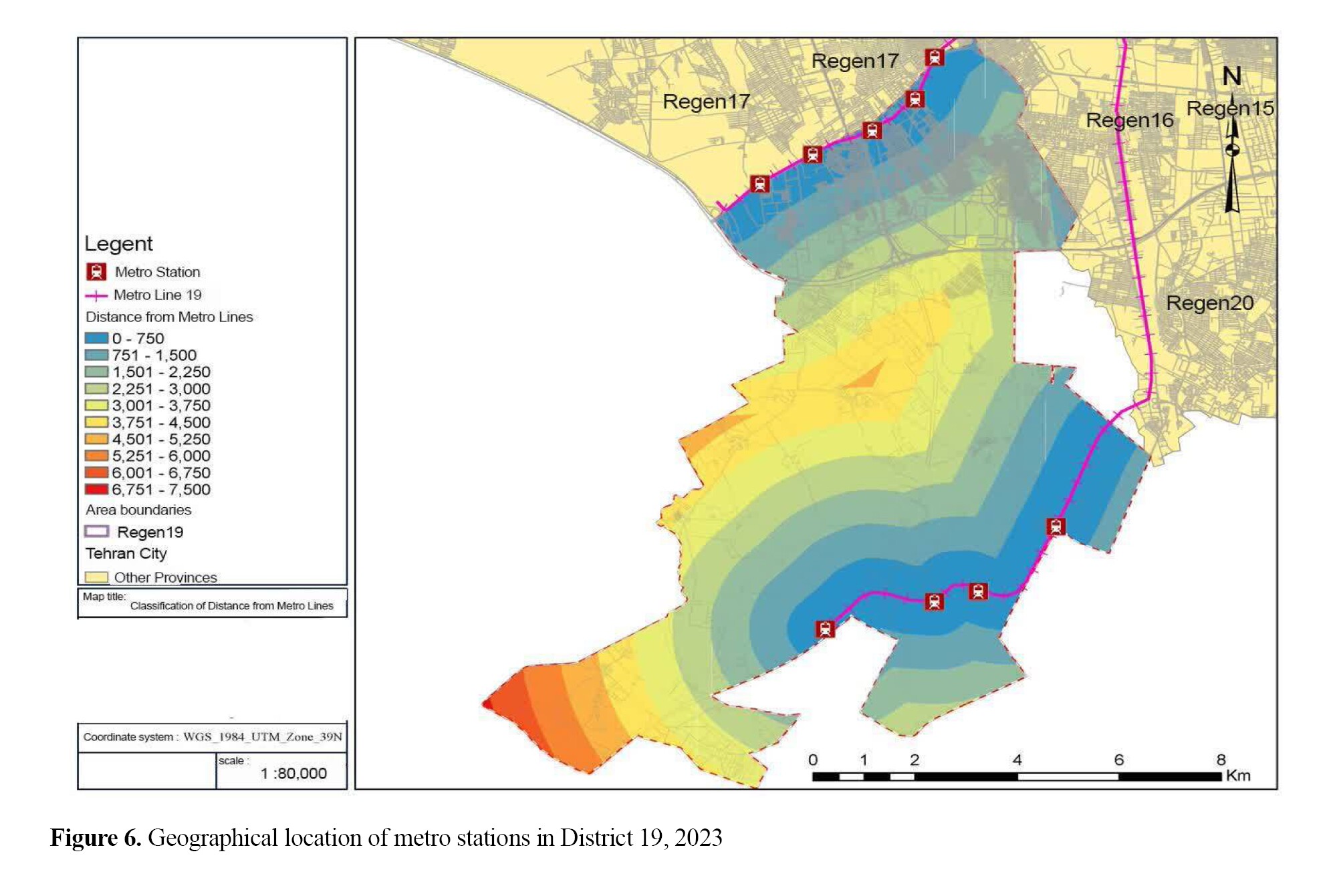
Population density in District 19 is 126 people per 10,000 m2. In District 19, people have relatively good access to public and road transportation. Two metro lines with about 10 metro stations pass through this district. There are also 151 bus stops. The area of dilapidated urban fabric in District 19 was 160,000 m2; the percentage of dilapidated urban fabric is 0.8 %; and the percentage of unstable urban fabric is 10.7 % (Figure 5).
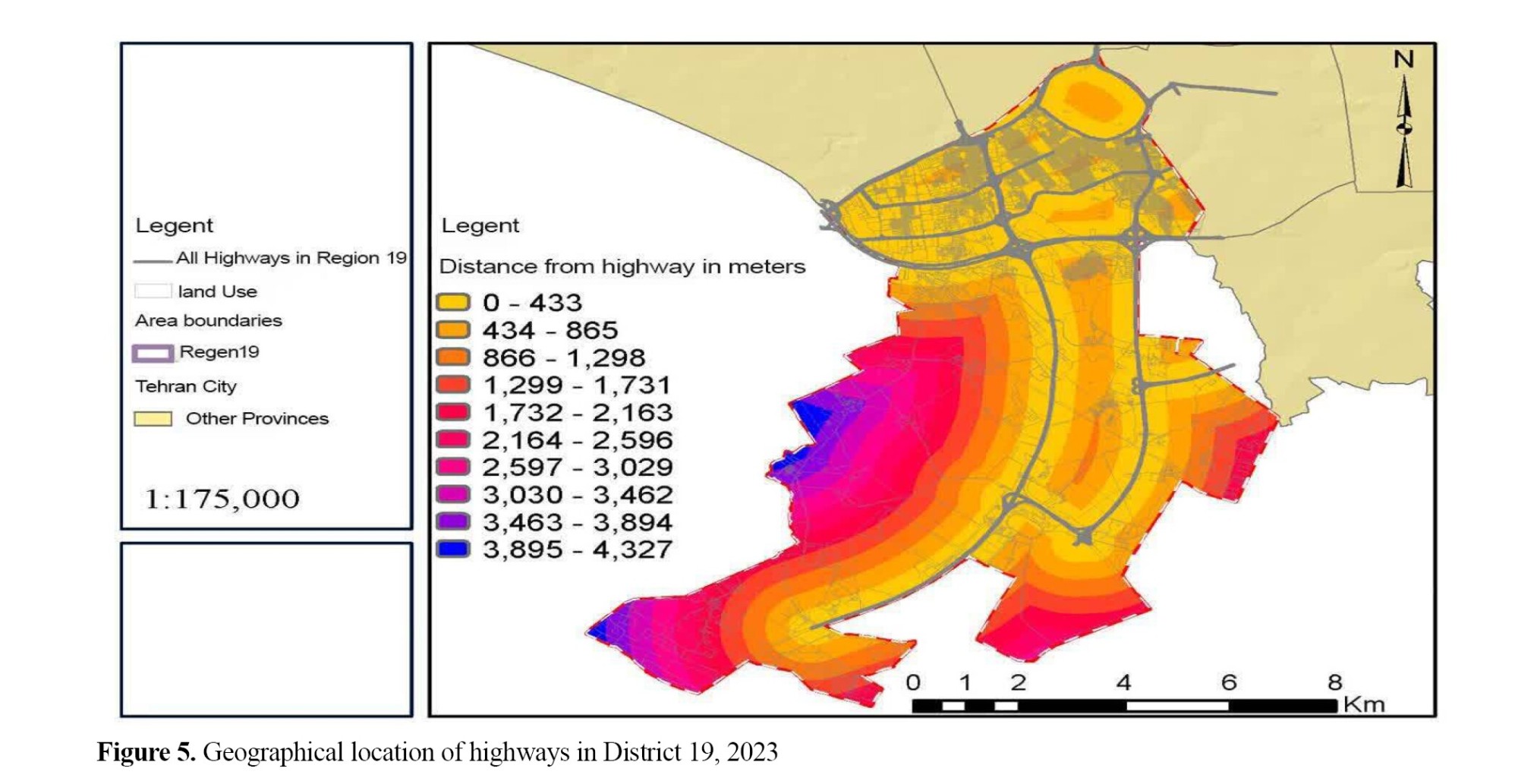
Additionally, the existence of highways, including the Azadegan Highway, Ayatollah Saeedi Highway, Tondguyan Highway, and Kazemi Highway, has made this district important with respect to traffic. Figures 6 and 7 show the location of highways and metro lines in District 19.
 Materials and Methods
This is a descriptive correlational study. The study population consists of all operational staff of fire stations in District 19 of Tehran, Iran (n= 210). Morgan’s table was used to determine the sample size, which was determined to be 132. The sampling was done randomly. After distributing and collecting the questionnaires, 125 completed questionnaires were analyzed.
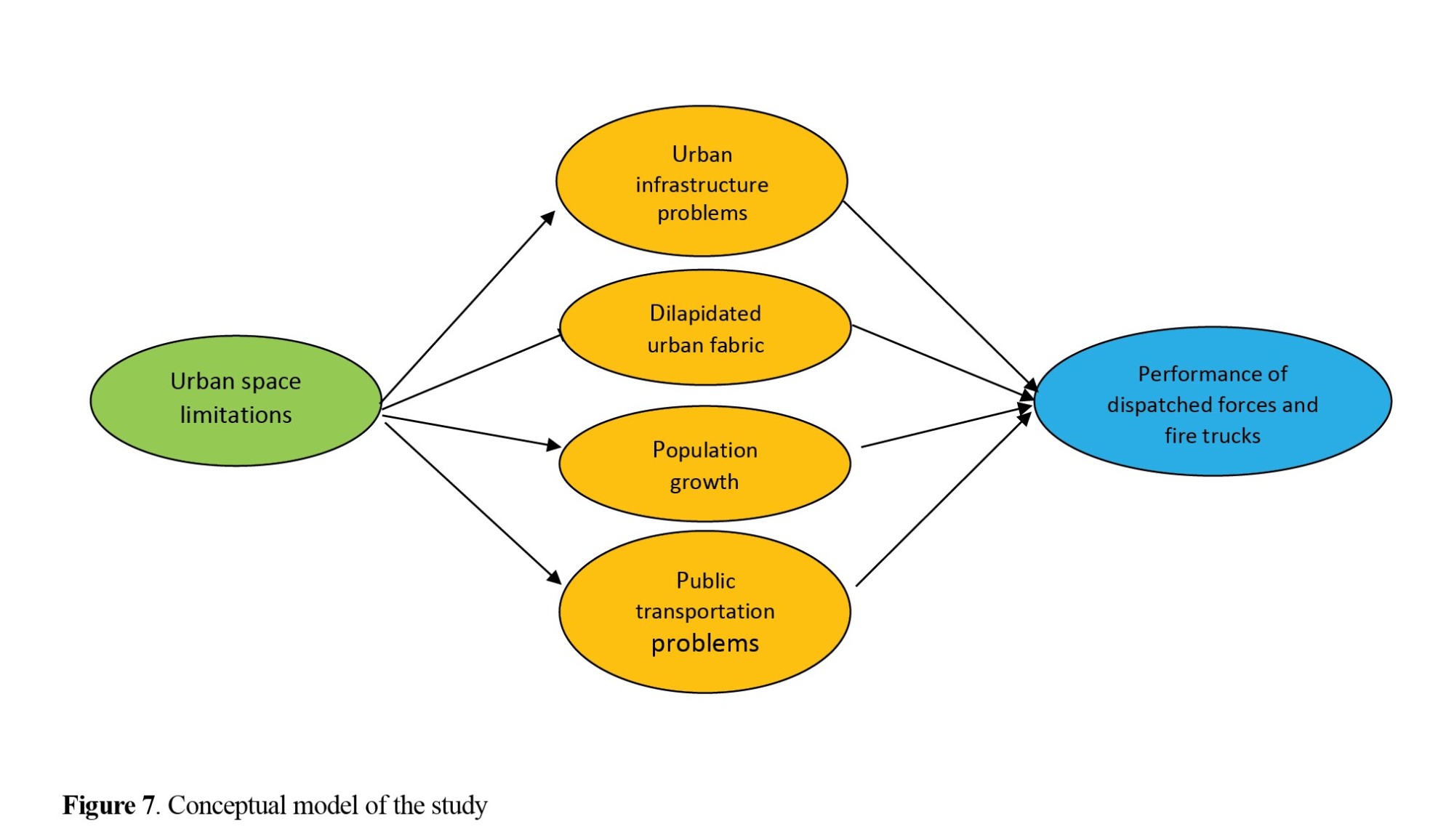
In this study, urban space limitations, including urban infrastructure problems, dilapidated fabric, population growth, and public transportation problems, were independent variables, and the performance of firefighting forces and trucks was the dependent variable. The presence of dilapidated buildings, population growth, and urban infrastructure problems (covering gas and petrol stations, urban facilities) negatively affects firefighters’ performance. On the other hand, public transportation problems that facilitates the evacuation of people affected by the disaster can positively affect firefighters’ performance
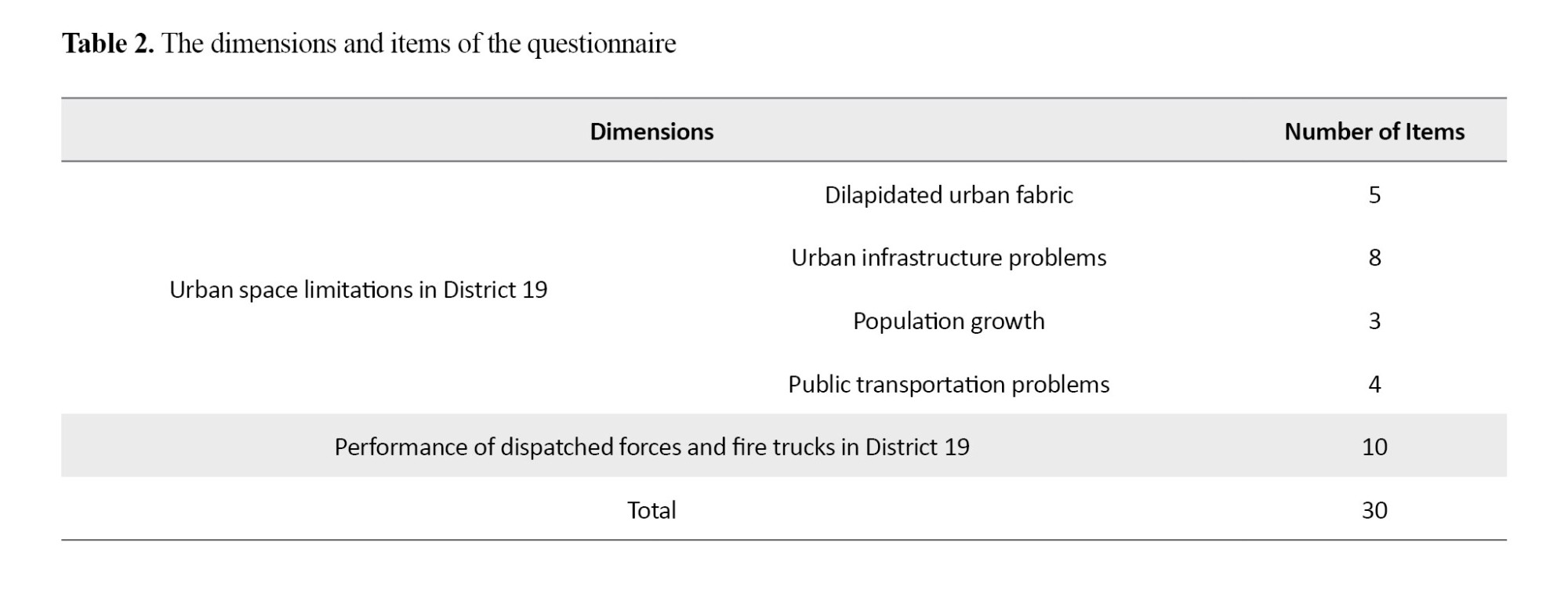
The questionnaire used had two parts. The first part surveyed general information about the respondents, and the second part, with 30 items, measured the study variables (Table 2).
To measure the content validity of the questionnaire, the opinions of experts from the fire department and the municipality, as well as university professors, were used. The reliability of the questionnaire was calculated using Cronbach’s α as Equation 1:
.jpg)
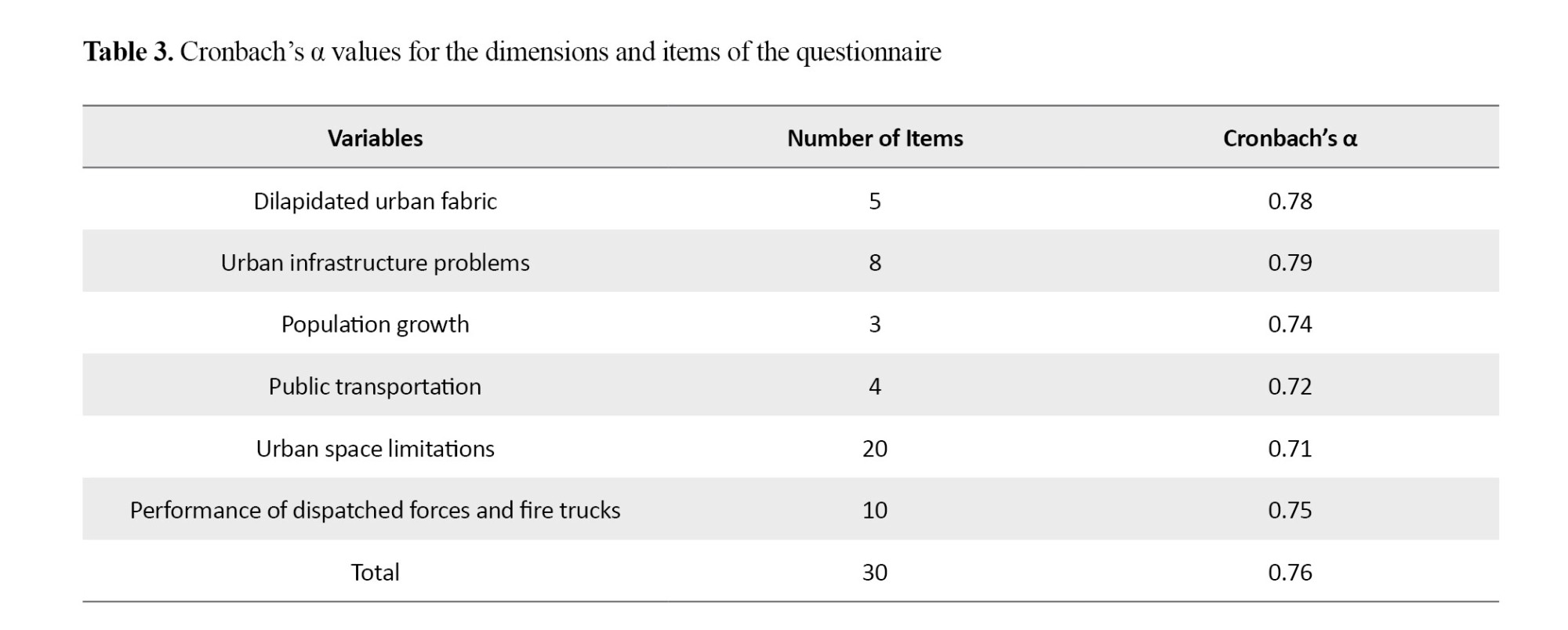
Where j is the number of items, S2j is the jth item, and S2 is the variance of the total score. The results are presented in Table 3. Considering the Cronbach’s α values for each dimension and for the overall scale were greater than 0.7, it can be said that the questionnaire had acceptable reliability.
Statistical analyses were performed in SPSS software, version 24 and Excel software, version 2013. The descriptive statistics (mean and standard deviation), Kolmogorov-Smirnov test (to determine the normality of data distribution), and regression analysis were used. After data analysis, a conceptual model of the study was designed (Figures 7) .
Results
Descriptive findings
Table 4 and Figures 8 and 9 show the frequency distribution of age and educational level for the participants.
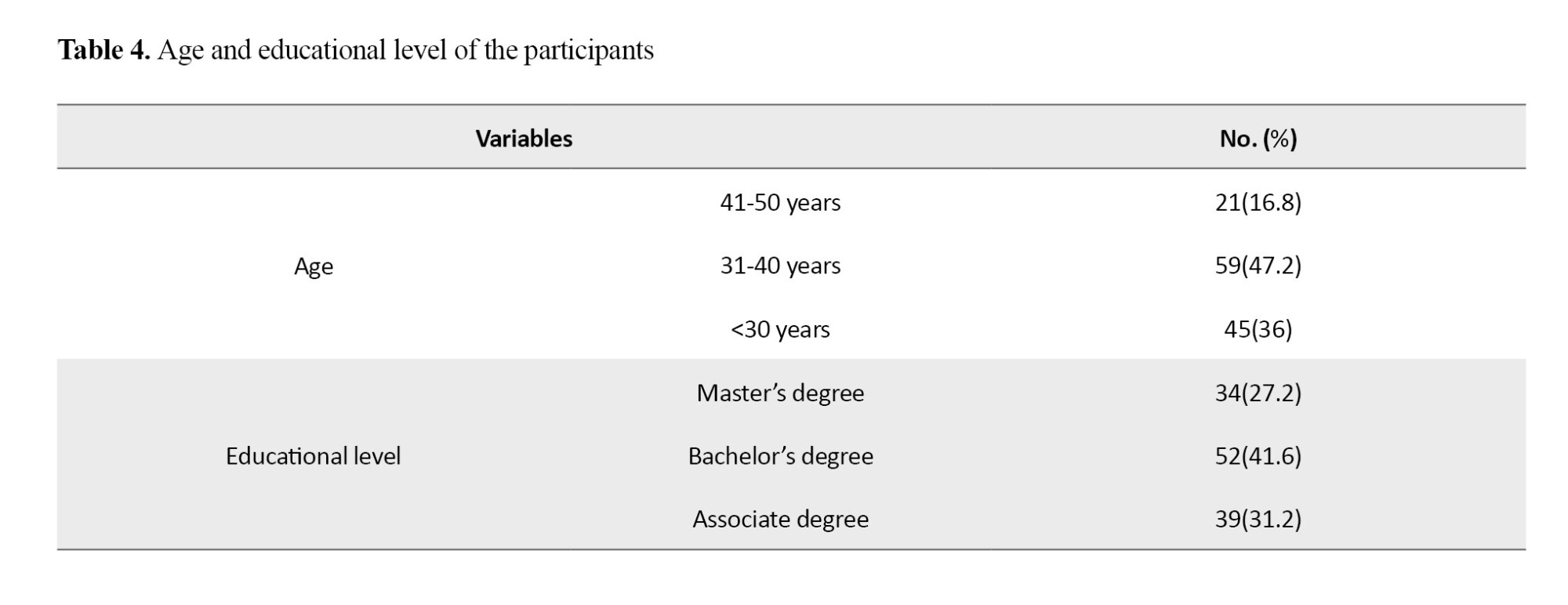
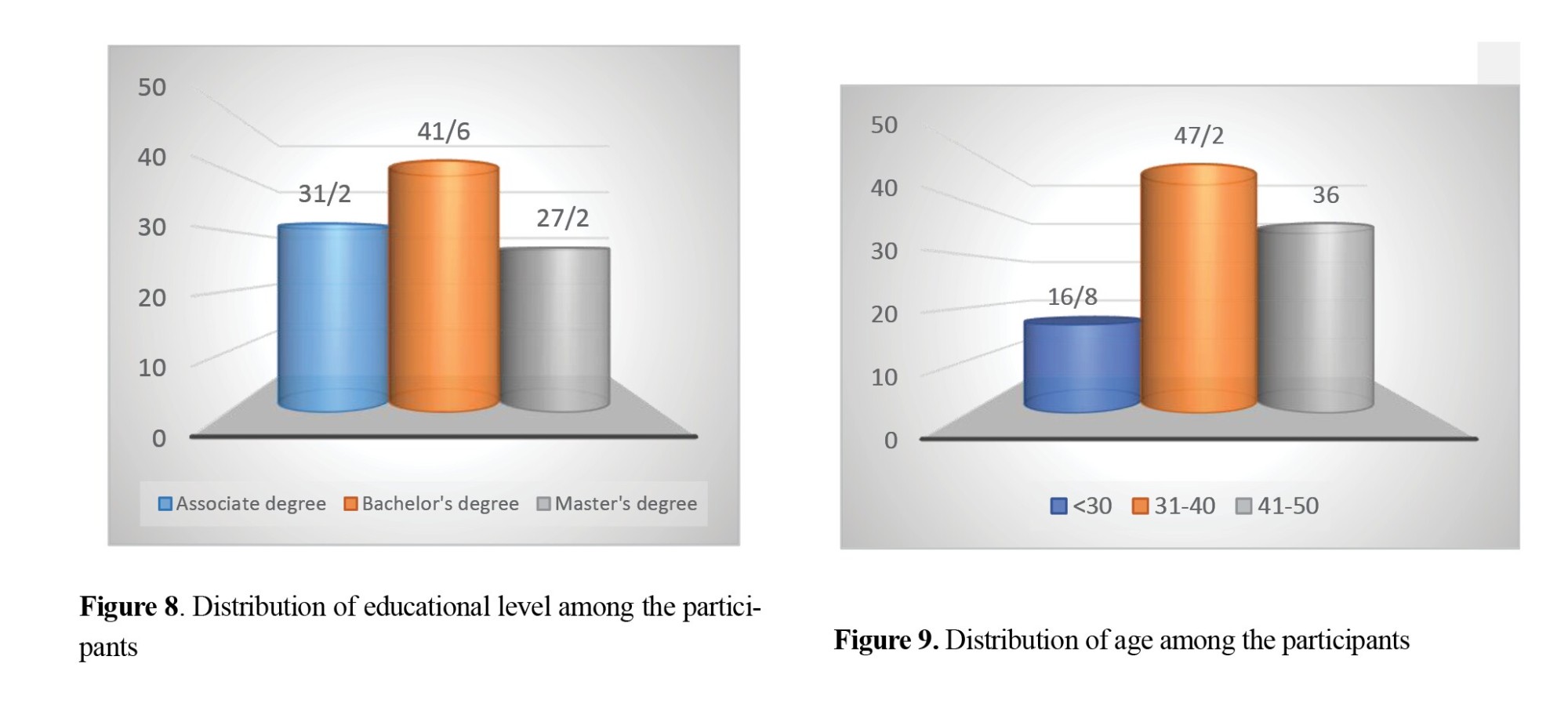
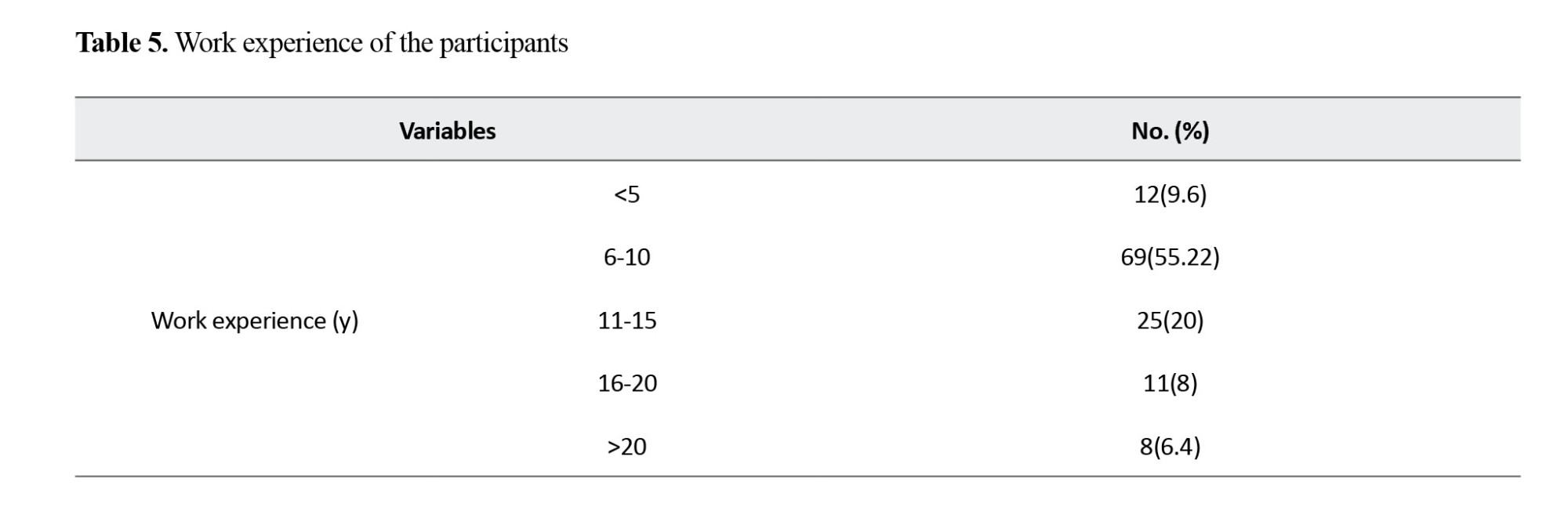
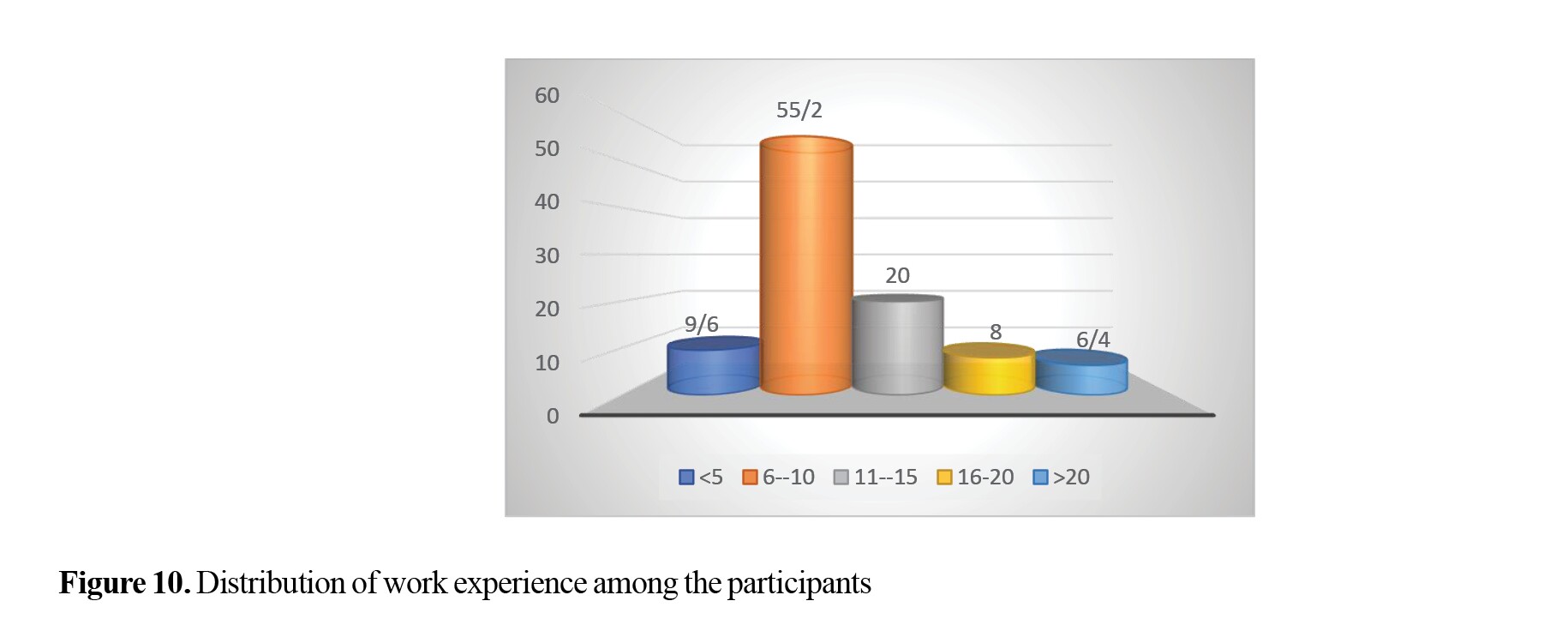
Table 5 and Figure 10 show the frequency distribution of work experience.
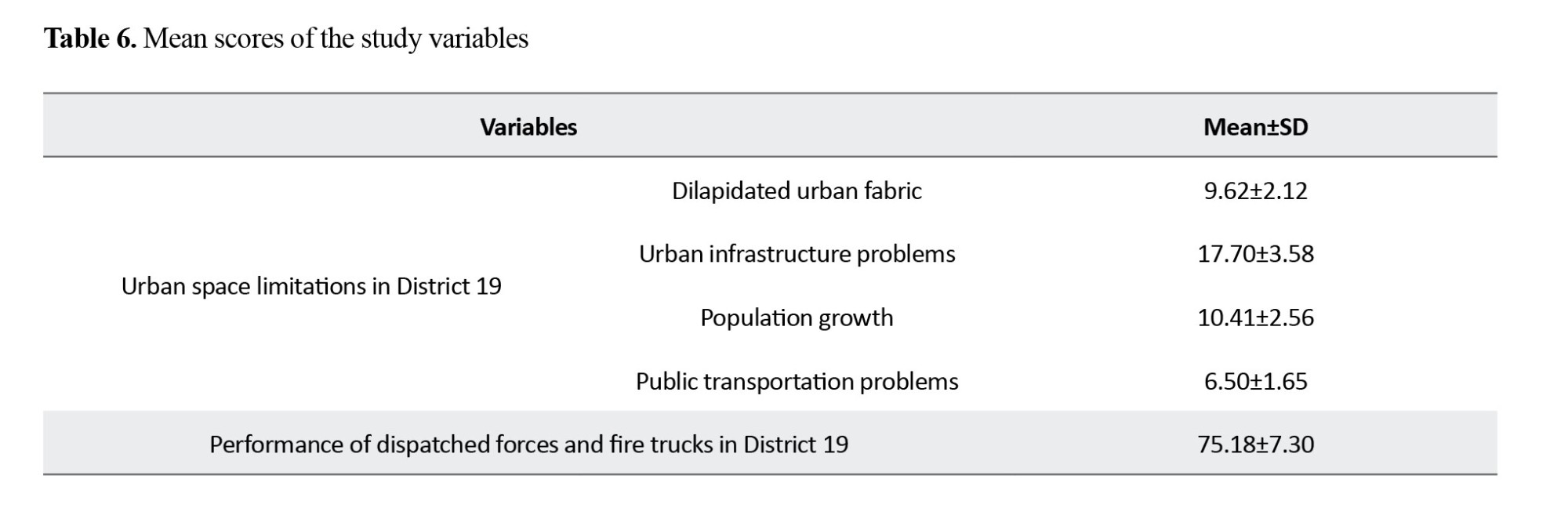
The mean scores of the study variables are presented in Table 6.
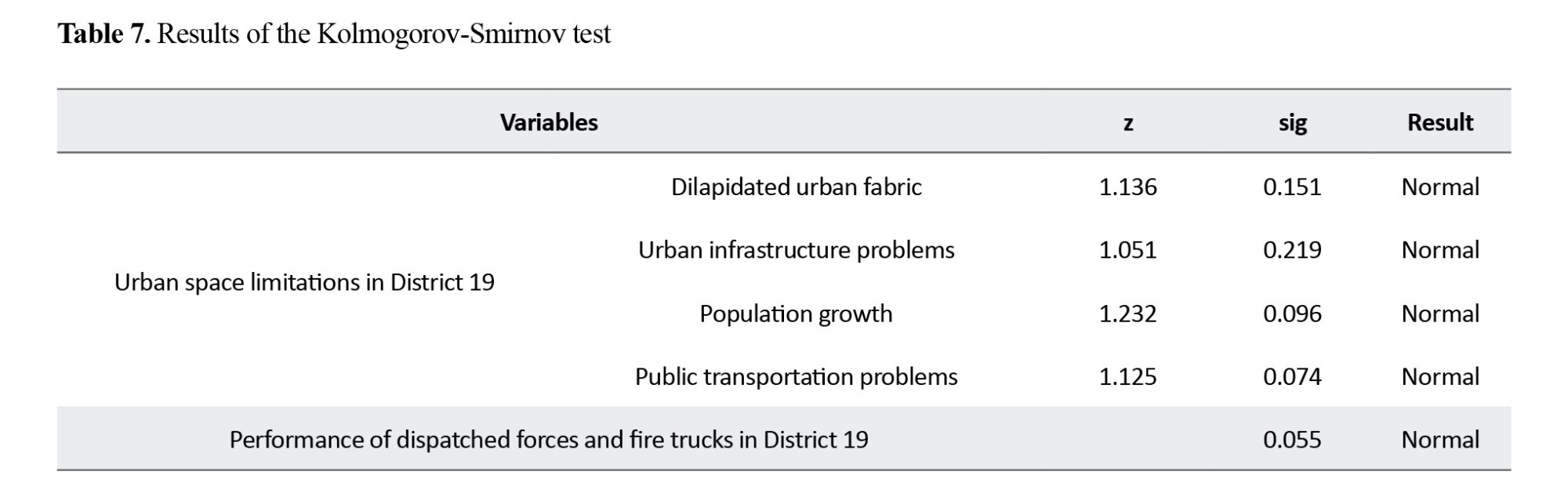
The results of the Kolmogorov-Smirnov test presented in Table 7 and 8 showed that the distribution of data was normal (P>0.05). Therefore, it is possible to use parametric tests.
 Assessment of research hypotheses
The first hypothesis stated that dilapidated urban fabric affects the performance of dispatched forces and fire trucks in District 19. The results of ANOVA to predict the performance based on dilapidated urban fabric was significant; F=94.325, P<0.001).

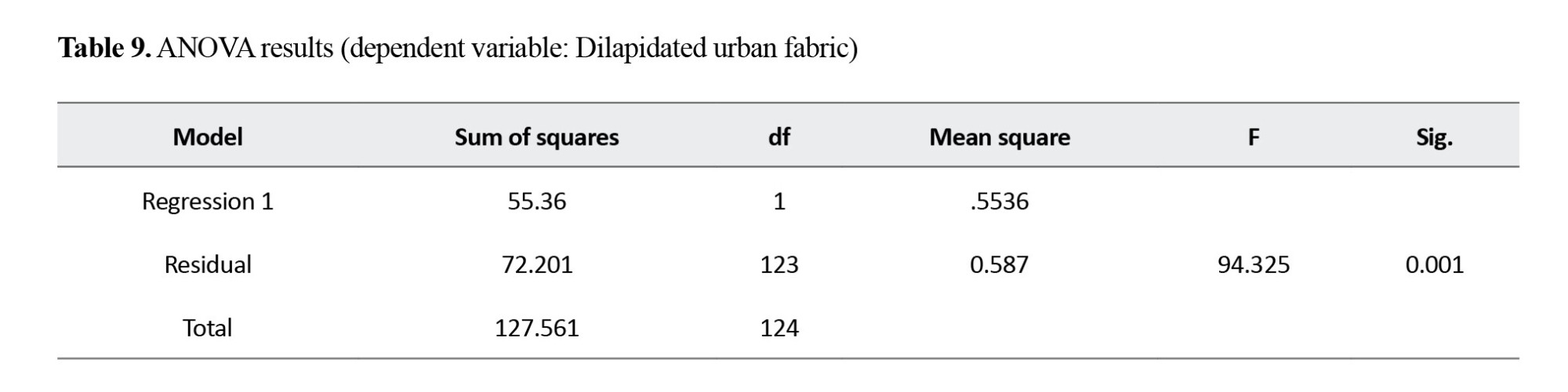
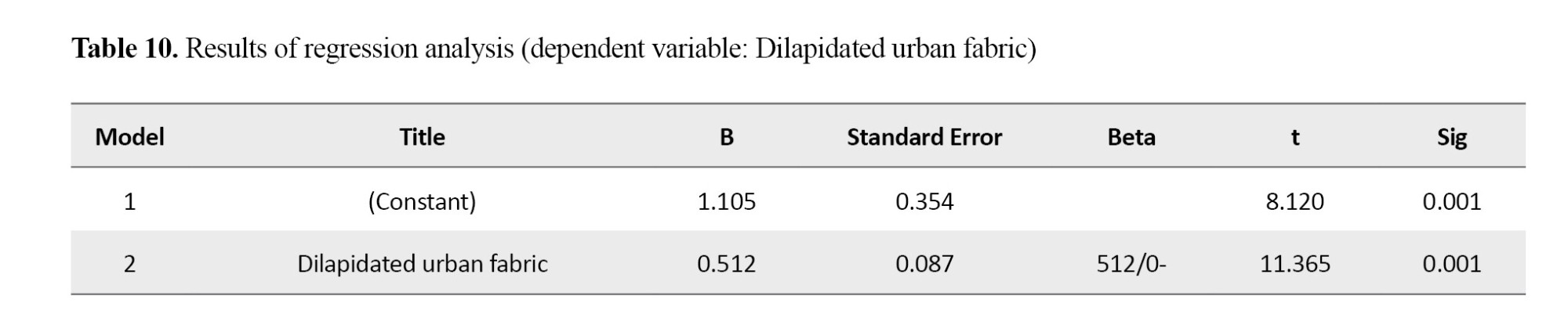
The results in Table 10 indicate that the regression coefficient for the correlation between dilapidated urban fabric and performance of dispatched forces and fire trucks was -0.512. The coefficient of determination was 0.262 (Table 9, 10, 11). Therefore, the dilapidated urban fabric could predict 26.2% of the decline in the performance of dispatched forces and fire trucks. The linear regression formula is as Equation 2, where Y is the performance variable:
2. Y=1.105 +0512 (dilapidated urban fabric)

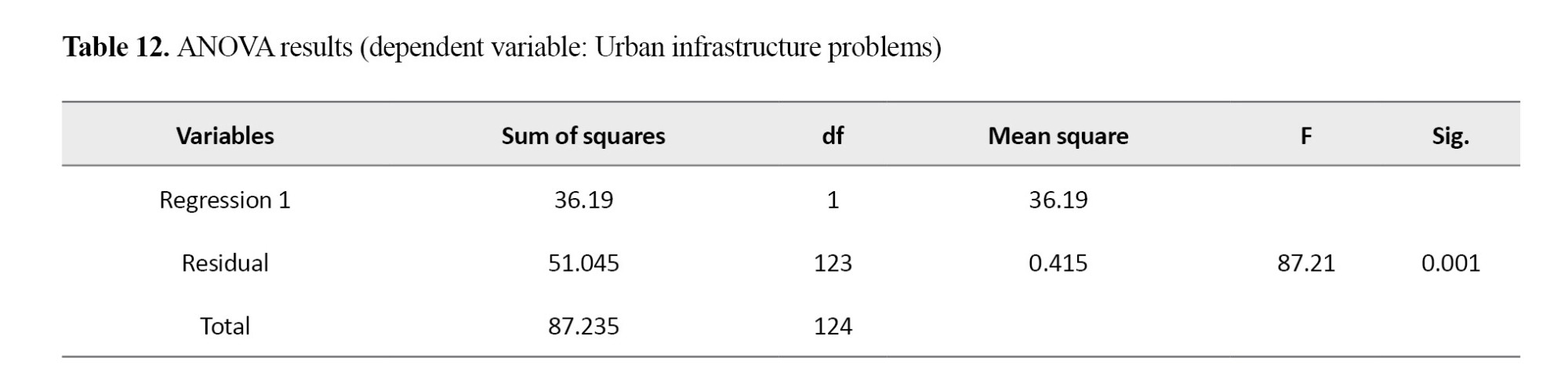
The second hypothesis stated that urban infrastructure problems affects the performance of dispatched forces and fire trucks in District 19. The results of ANOVA to predict the performance based on urban infrastructure problems was significant; F=87.215, P<0.001 (Table 12).
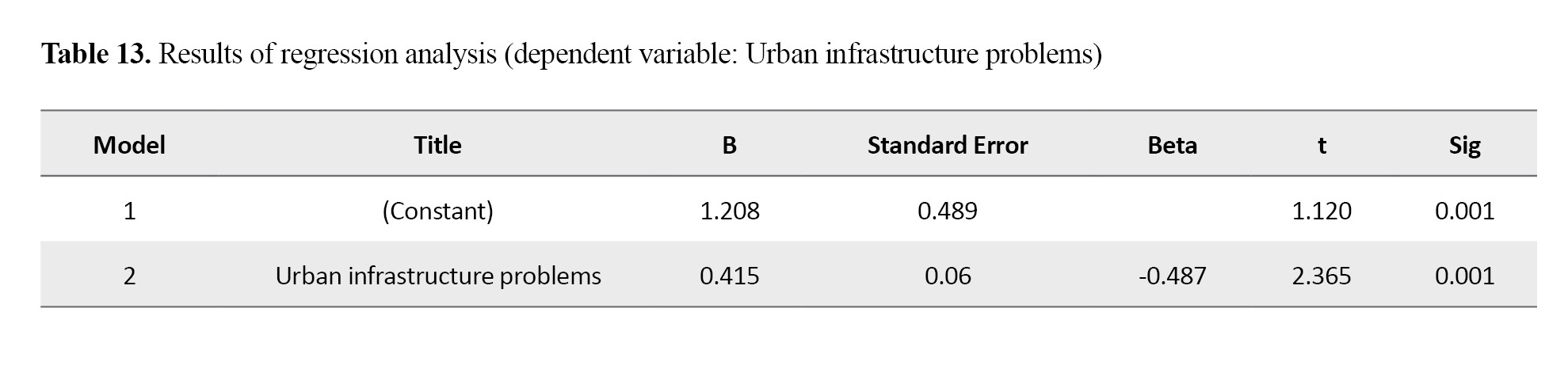
The results in Table 13 and 14 indicate that the regression coefficient for the correlation between urban infrastructure problems and performance of dispatched forces and fire trucks was -0.487. The coefficient of determination was 0.237. Therefore, urban infrastructure problems could predict 23.7% of the decline in the performance of dispatched forces and fire trucks. The linear regression formula is as Equation 3:
3. Y= 1.208+0415 (urban infrastructure problems)
The third hypothesis stated that population growth affects the performance of dispatched forces and fire trucks in District 19. The results of ANOVA to predict the performance based on population growth was significant; F= 75.254, P<0.001 (Table 15, 16).

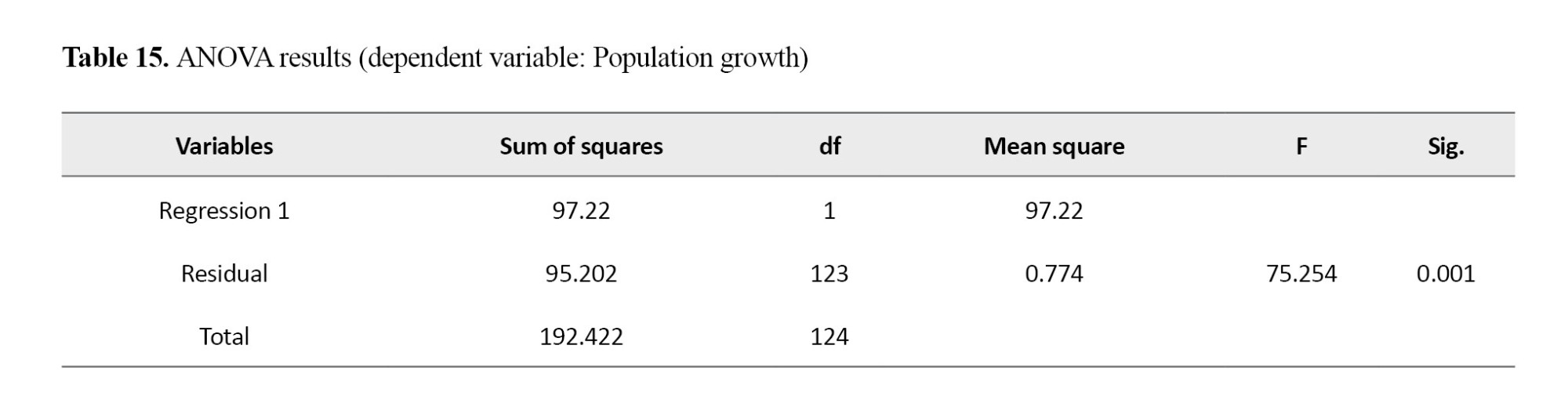
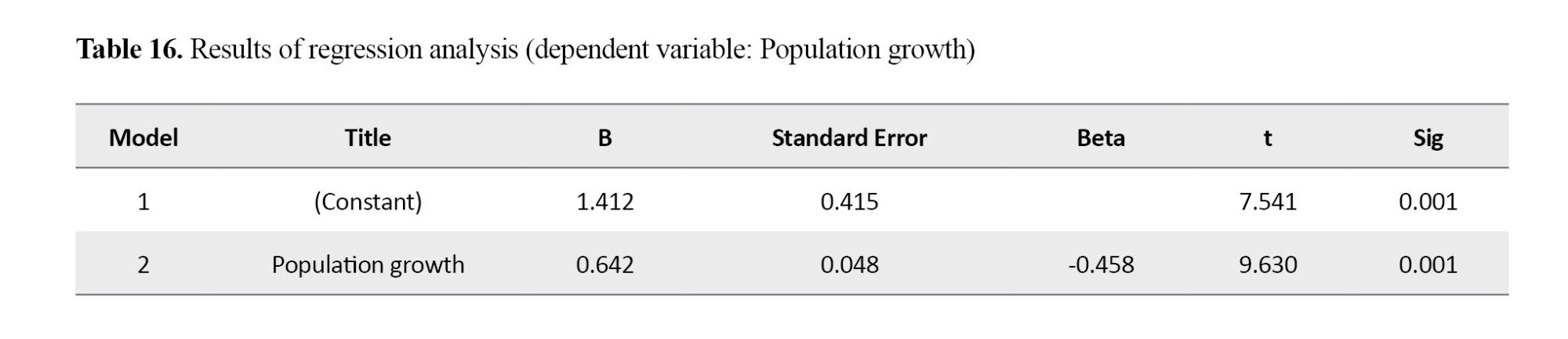
The results in Table 16 indicate that the regression coefficient for the correlation between population growth and performance of dispatched forces and fire trucks was -0.458. The coefficient of determination was 0.209. Therefore, population growth could predict 20.9% of the decline in the performance of dispatched forces and fire trucks. The linear regression formula is as Equation 4:
4. Y= 1.412 + 0642 (population growth)
The last hypothesis stated that public transportation problems affects the performance of dispatched forces and fire trucks in District 19. The results of ANOVA to predict the performance based on public transportation problems was significant; F=41.145, P<0.001 (Table 17, 18).

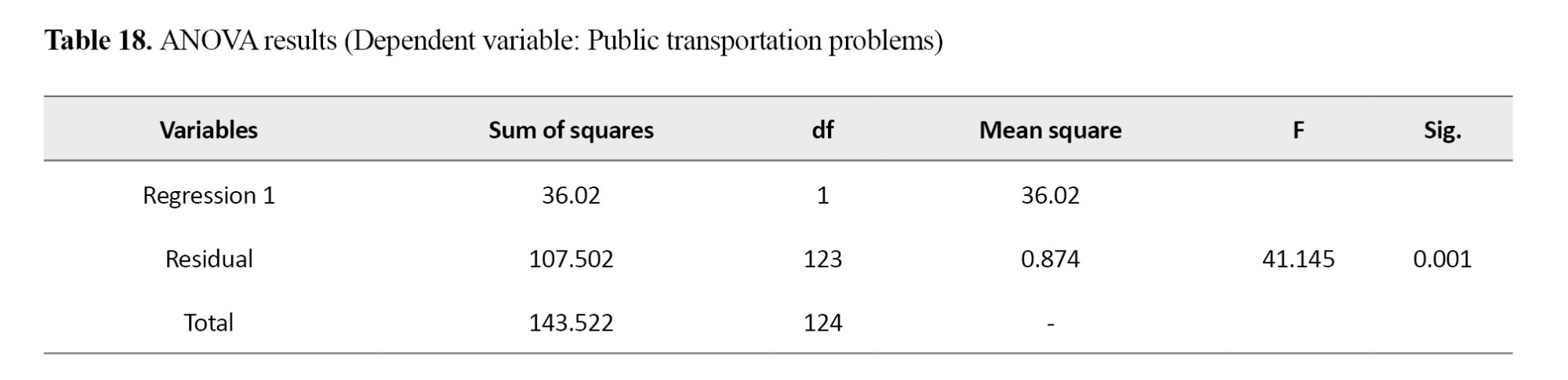
The results in Table 19 indicate that the regression coefficient for the correlation between public transportation problems and performance of dispatched forces and fire trucks was -0.325.
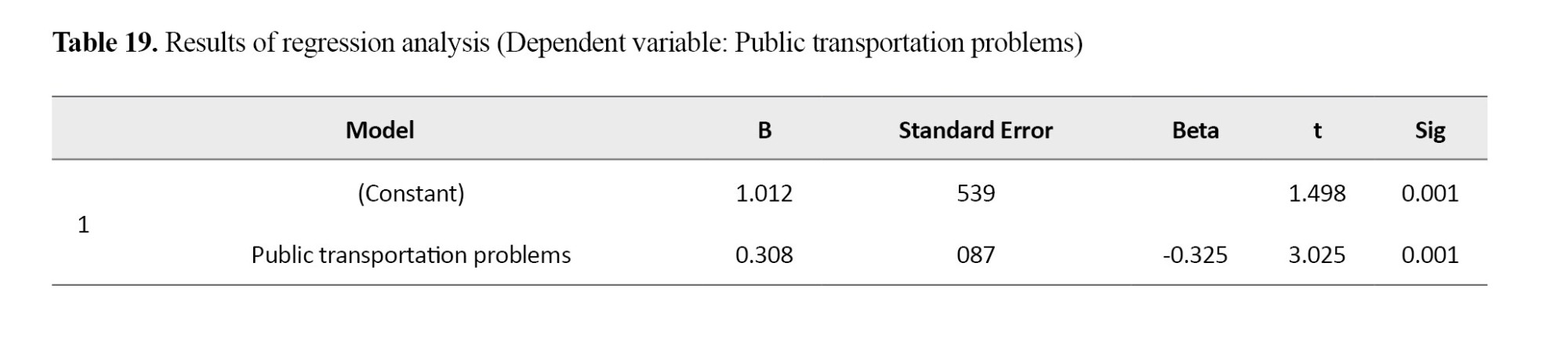
The coefficient of determination was 0.105 (Table 17). Therefore, public transportation problems could predict 10.5% of the decline in the performance of dispatched forces and fire trucks. The linear regression formula is as Equation 5:
5. Y= 1.012+0308 (public transportation problems)
Discussion
The purpose of this study was to investigate the effect of urban space limitations on the performance of firefighters and fire trucks during a disaster in District 19 of Tehran city. The most of experts participated in our study was individuals with an average age of 31-40 years (47.2%) with a bachelor’s degree (41.6%), and 6-10 years of experience (55.2%). The performance score of firefighters was 75.18±7.30. The results showed that dilapidated urban fabric, urban infrastructure problems, population growth, and public transportation problems predicted 26.2%, 23.7%, 20.9%, and 10.5% of the decline in the performance of firefighters and fire trucks, respectively. These limitations result in the failure to create the necessary conditions to improve the performance of dispatched firefighting forces and trucks in disaster situations, since they can reduce the freedom of action and maneuverability of forces and vehicles. Dilapidated structures and traffic can prevent fire trucks from fully accessing affected areas.
Conclusion
Urban space limitations in District 19 of Tehran, including dilapidated urban fabric, urban infrastructure problems, population growth, and public transportation problems, can negatively affect the performance of firefighting forces and vehicles. Urban infrastructure problems can prevent them from properly implementing their activities and plans and using their full potential and capacity. The presence of large crowds in the disaster scene can cause disruptions in the firefighting operations. Population growth and population density in some areas of District 19 and the lack of a proper safety culture when seeing fire trucks create a great disruption in the progress of operations and the early arrival of forces. The traffic congestion in some areas of District 19 and the increase in transportation vehicles are also considered obstacles in the firefighters’ ability to reach the fire scene.
The results of the present study are consistent with the results of Stolf et al. (2019) regarding the access of firefighters to the incident area, while are not in agreement with the results of Shatkin (2019) on the adaptation of urban space to natural disasters, since in the area studied in our study, urban spaces do not perform well during natural disasters such as fires. Our results are consistent with the results of Padash and Kheirdast (2023) regarding the importance of the ability of firefighters to reach the fire scene. The results of the present study are also in line with the results of Bujang et al (2023), Maddab et al (2023), Raheb and Farhadian (2023), Tahmasebi et al. (2020), and Li et al (2024).
Considering the results, the following recommendations are provided to improve the performance of firefighting forces and vehicles in District 19 of Tehran:
It is recommended to apply urban design standards to dilapidated structures or demolish them to improve the performance of firefighting forces and vehicles.
By creating databases of the urban infrastructure problems and limitations in District 19, increase the awareness of possible problems and how to deal with them at the time of disaster.
Culturalization through mass media to reduce gatherings in the affected areas and management and control of the population density are recommended to improve the performance of firefighting forces and vehicles.
By creating transportation mechanisms to manage traffic during a disaster and using control facilities at regional levels, the performance of firefighting forces and vehicles can be improved.
Ethical Considerations
Compliance with ethical guidelines
In this study, all ethical principles were observed. Since no experiments on animal or human samples were conducted, no ethical code was obtained.
Funding
This research is based on Mehdi Mahdavi's master's thesis. This research did not receive any specific grant from funding agencies in the public, commercial, or not-for-profit sectors.
Authors' contributions
Methodology and conclusions: Mahdi Mahdavi and Afrasyab Kheirdast i; Data analysis, genealogical method and research background: Saeed Ajuorloo.
Conflicts of interest
The authors declared no conflict of interest.
Acknowledgements
We thank all our colleagues who helped us in this research.
References
Ajorlou,S. , Padash,A. and Kheirdast,A. (2023). [The Effect of education on people's performance during the Tehran earthquake crisis (before the crisis) (Persian)]. Journal of Urban Environmental Management, 1(4), 35-48. [DOI:10.48306/jumee.2024.432726.1029]
Akano, O. A., Hanson, E., Nwakile, C., & Esiri, A. E. (2024). Improving worker safety in confined space entry and hot work operations: Best practices for high-risk industries. Global Journal of Advanced Research and Reviews, 2(02), 031-039. [DOI:10.58175/gjarr.2024.2.2.0056]
Ashori, M., & Azizi, M. M. (2023). [Evaluation of Urban Neighborhoods’ Public Space with Emphasis on the Concept of Time (Case Study: Gulsar and Saghrisazan Neighborhoods in Rasht City) (Persian)]. Danesh-e Shahr-Sazi (Urban Planning Knowledge), 7(4), 1-24. [DOI:10.22124/upk.2024.25325.1880]
Bujang, Z., Assim, M. I. S. A., Adam, N. M., Marzuki, O. F., & Kamarudin, S. (2023). Industrial Fire Brigade Emergency Response Time Parameters for Oil & Gas Facility. International Journal of Academic Research in Business and Social Sciences, 13(15), 134-152. [DOI:10.6007/IJARBSS/v13-i15/18798]
Calvet-Mir, L., & March, H. (2019). Crisis and post-crisis urban gardening initiatives from a Southern European perspective: The case of Barcelona. European Urban and Regional Studies, 26(1), 97-112. [DOI:10.1177/0969776417736098]
Dong, Q., Li, Y., Li, J., Xie, F., Xu, D., & Su, Z. (2024). The Influence of Confined Space Size on the Temperature Distribution Characteristics of Internal Window Plume from Well-Ventilated Compartment Fires. Fire, 7(5), 158. [DOI:10.3390/fire7050158]
Gültekin, Y. S., & Gültekin, P. (2024). Forest Fire Risk Management at the Country Scale: The Case of Turkey. In J. Rodrigo-Comino, L. Salvati, (Eds), Fire Hazards: Socio-economic and Regional Issues. Cham: Springer. [DOI:10.1007/978-3-031-50446-4_4]
Hajibabaee, M., Amini Hosseini, K., & Ghayamghamian, M. R. (2013). A New Method for Assessing the Seismic Risk of Urban Fabrics in Iran. Journal of Seismology and Earthquake Engineering, 15(1), 47-68. [Link]
Kheirdast, A., Jozi, S.A., & Rezaian, S. (2024). Comparing the performance of genetic algorithm and particle swarm optimization algorithm in allocating and scheduling fire stations. International Journal of Environmental Science and Technology. [DOI:10.1007/s13762-024-05839-7]
Kheirdast, A., Jozi, S. A., Rezaian, S., & Mirza Ebrahim Tehrani, M. (2024). [Prioritizing Criteria Affecting Fire Identification and Command of Operations Using MCDM and NFPA Standards (Persian)]. Emergency Management, 12(2), 83-101. [Link]
Khairdast, A. (2024). [Fire Management in Tehran Fire Department and Safety Services with a High-Reliability Approach (Case Study: Stations Under the Coverage of District 19 of Tehran Municipality) (Persian)] [PhD dissertation]. Tehran: Islamic Azad University.
Kheirdast, A., Jozi, S. A., Rezaean, S., & Tehrani, M. (2022). [Locating emergency shelter in District 19 of Tehran using multi-criteria decision-making method (Persian)]. Human & Environment, 22(1), 35-45. [Link]
Khodabandelo, E. A., Hamsi, A. H., Lahijanian, A., Hasani, A. H., & Mohamadi, A. (2024). [Identification and prioritization of factors affecting the resilience of tehran fire department (case study: Fire stations covered by district 20) (Persian)]. Environmental Science and Technology, 4(26), 1-18. [Link]
Kubiak, T., Dudziński, Ł., Kasperczyk, R., & Czyżewski, Ł. (2024). Emergency services response to eCall System alerts: Observations from 2016-2022 in the National Fire and Rescue System. Traffic Injury Prevention, 25(6), 819-824. [DOI:10.1080/15389588.2024.2348041] [PMID]
Li, C., Bian, H., Ding, D., Huang, F., & Zhu, Z. (2024). Enhancing safety in small confined spaces with thermally triggered fire-extinguishing microcapsules from microfluidics. Composites Communications, 53, 102256. [DOI:10.1016/j.coco.2025.102256]
Modab, R., & Amin, K. (2023). [Developing a model for evaluating the performance of a system in the resilience of historical-commercial tissues (traditional bazaars) against earthquakes; case study: Historical Bazaar of Tabriz (Persian)]. Quarterly Journal of Seismology and Earthquake Engineering, 10(3), 85-104. [DOI:10.48303/bese.2022.548668.1061]
Nonejad, N., Nazemi, E., & Saberi, H. (2020). [Assessing and Measuring the Role of Virtual Space Usage on Components Affecting Urban Crisis Management Based on the Sense of Place (Case Study: Traditional and Modern Urban Space of Isfahan City) (Persian)]. Crisis Management, 9(1), 129-140. [Link]
Padash, A., & Kheirdast, A. (2023). Investigation of the Capacity of Fire Stations in 19 Area Tehran Municipality in Post-earthquake Fires. Journal of Urban Environmental Management, 1(3), 14-31. [DOI:10.48306/jumee.2023.416088.1019]
Raheb, Gh., & Farhadian, M. (2023). [Providing a method for investigating and analyzing the existing spatial structure of cities with an approach to improving the spatial organization of the city (case study: Bandar Abbas City) (Persian)]. Danesh-e Shahr-Sazi (Urban Planning Knowledge), 7(3), 21-40. [DOI:10.22124/upk.2023.24232.1855]
Stolf, P., Pierson, J. M., Sayah, A., Da Costa, G., & Renaud-Goud, P. (2019). e-Flooding: Crisis management through two temporal loops. In Proceedings of the 52nd Hawaii International Conference on System Sciences. [DOI:10.24251/HICSS.2019.362]
Shatkin, G. (2019). Futures of crisis, futures of urban political theory: Flooding in Asian coastal megacities. International Journal of Urban and Regional Research, 43(2), 207-226. [DOI:10.1111/1468-2427.12758]
Strydom, S., & Savage, M. J. (2024). Modification of the microclimate and fire danger by Berg winds in the midlands of KwaZulu-Natal. South African Geographical Journal, 1-18. [DOI:10.1080/03736245.2024.2398422]
Tahmasebi, A., Mir Akbari, H., Mahmod, S., & Nasrzade, H. (2020). [Optimizing the location of urban land uses with combined Delphi- BWM- PROMETHEE methods (Case Study: Fire stations in Ahvaz city) (Persian)]. Danesh-e Shahr-Sazi (Urban Planning Knowledge), 4(3), 89-110. [DOI:10.22124/upk.2020.16186.1438]
Wang, M., Yue, P., Jiang, L., Yu, D., Tuo, T., & Li, J. (2024). An open flame and smoke detection dataset for deep learning in remote sensing based fire detection. Geo-Spatial Information Science, 1-16. [DOI:10.1080/10095020.2024.2347922]
Zhe, W., Weiguang, A. N., Yanhua, T., & Jiankun, X. (2024). Experiment on fire spread and smoke characteristics in a narrow confined space. Experimental Technology & Management, 41(1), 143-149. [Link]
Zhang, Q., Li, S., & Liu, J. (2024). Impact of fine water mist curtains on fire safety in historic buildings: A case study of foshan historical and cultural district, Guangdong Province, China. Combustion Science and Technology, 1-17. [DOI:10.1080/00102202.2024.2401080]