Introduction
In today’s competitive environment, a company’s survival depends on continuous performance improvement to maintain and increase competitiveness and achieve greater profitability. This can be achieved by setting goals, planning, and evaluating performance to assess the extent to which the set goals are achieved (Ghanbari et al., 2010). Also, when examining the causes of the significant and ongoing progress of developed countries, adherence to specific patterns and standards in all areas—especially organizational ones—largely results from continuous, systematic, and scientific monitoring and evaluation of performance at all levels (Jalalvand, 2022). One of the main and ongoing goals of organizations is to increase productivity, and improving employee performance can directly contribute to achieving this goal (Rezaei & Fikri, 2021). Therefore, productivity and improved organizational performance can support growth and development programs and help create opportunities for organizational excellence (Babaei et al., 2021). As a result, employee evaluation has become a necessity (Javadi et al., 2002). This issue is even more important in sensitive industries such as oil and gas, where occupational safety and health are a top priority; in such industries, performance evaluation can directly and indirectly support organizational survival (Zamani et al., 2021). Performance evaluation involves reviewing and assessing an organization’s work results and work processes. This evaluation helps convert weaknesses into strengths through a scientific process by identifying strengths and weaknesses (Falaheti et al., 2019). Therefore, designing and selecting performance evaluation indicators is a fundamental step in developing a performance management system and is also a challenge for organizations in measuring performance (Dehghani, 2022).
Since urbanization brings prosperity and comfort, it also brings dangers that threaten people’s lives and property. Therefore, since ancient times, humans have been looking for ways to reduce these dangers. In this regard, the fire department—one of the pillars of urban emergency services—plays a vital role in protecting people’s lives and property from various accidents, especially fires, and is responsible for ensuring the safety and security of citizens’ lives and property (ZaimiFard, 2010). Fire departments have an important responsibility in providing safety services, preventing accidents, fighting fires, and managing crises in cities. To provide timely services, fire stations must be located in appropriate urban locations and equipped with the necessary tools and capabilities. This enables them to reach the scene of an accident quickly, without encountering urban obstacles and with minimal negative impact on residents’ lives (Khairdast, 2024). This importance increases when fire stations are located in industrial environments. Any error in the workplace often leads to irreparable accidents. Errors in planning, execution, or supervision of maintenance can cause system failure and, as a result, halt unit operations and lead to major accidents (Pourhossein et al., 2024). The oil and gas industry is no exception due to the quality and quantity of raw materials and intermediate and final products, as well as its complex features, low flexibility, and high vulnerability from an HSE perspective. It is also known as one of the critical industries. In addition, because of the high level of specialization in this industry, any problem involving personnel or equipment can create serious challenges in replacing them (Jebeli et al., 2021). As a result, the presence of a fire department in this organization is considered a vital necessity, and the performance of this unit is affected by various factors and indicators.
Performance evaluation is always an important and fundamental issue in any organization, especially in the fire service and the health, safety, and environment (HSE) sector. In this regard, numerous studies have been conducted worldwide. Grilo et al. (2023) evaluated the performance of fire departments in Portugal to identify the efficiency of efficient fire departments and to determine areas for improvement in inefficient units. They considered the performance of fire departments as a multifactor dependent variable and two independent variables, including input variables (technical, financial, economic, and social) and output variables (fire incidents and fire casualties). Using data envelopment analysis, only 22 out of 376 fire stations were efficient. This means that in most regions of Portugal, fewer than 10% of fire stations were efficient, and a high percentage of fire stations had an efficiency of less than 50%. According to the data obtained, eight out of eighteen regions of Portugal do not have any efficient fire stations. In another example, Atsavakovith et al., (2022) conducted a study aimed at identifying key indicators of sustainable performance in the oil and gas industry in Thailand. Considering sustainable performance as the research variable and using a literature review and a survey of academics and industry experts, they identified performance evaluation indicators and then ranked them using the analytical hierarchy process (AHP). The economic dimension had the highest average weight, followed by social dimensions, health, safety and environment (HSE), long-term value creation, and innovation and technology. In another study, Bulama Buni and Alhaji Ali (2021) used key performance indicators to assess issues and challenges in Nigeria’s oil and gas industry. By considering performance as the research variable and initially extracting key performance indicators from the literature, then ranking them using the AHP method, they found that an indicator with the lowest average total score is not necessarily the worst across all factors. These factors should be examined in depth so that company performance criteria can be prioritized when measuring sustainability performance and better decisions can be made. In Iran, evaluating organizational performance is also an important topic that researchers examine every year. Ahmadi et al. (2022) aimed to evaluate employee performance in the Fire and Safety Services Organization of Karaj Municipality. They considered employee performance as an independent variable, intellectual capital as a dependent variable, and organizational agility of employees as a mediating variable. They collected data using a questionnaire and then, using a two-stage approach with the structural equation modeling (SEM) method, found that the proposed research model had a good fit. The results showed that intellectual capital has a positive and significant effect on performance and that intellectual capital and employees’ organizational agility have a direct and positive effect on organizational performance. Also, Mirza et al. (2019) considered HSE performance as a research variable with the aim of quantitatively evaluating and determining the priorities of health, safety, and environment criteria in the National Iranian Petroleum Products Distribution and Refining Company. Using a combined approach of multi-criteria decision-making techniques—analytic network and DEMETEL—they weighted and prioritized the criteria and sub-criteria of the health, safety, and environment management system. The results showed that changing management commitment to health, safety, and environment and modifying the risk management system can improve performance. In addition, according to the ranking of the criteria, sufficient facilities and budget can be allocated more appropriately. Falahati et al. (2019) showed that to evaluate the performance of the urban HSE management system in municipalities, in addition to the components of the HSE management system, the type of macro-management structure and other influential organizational factors should also be considered. In addition, indicators identified based on HSE components alone are not sufficient because factors such as economic and socio-cultural sustainability, demographics, architecture and urban planning, and trade–industrial issues play an important role in the performance of the urban HSE system. Finally, Arab Mohammadi (2017) designed a questionnaire based on the comprehensive quality safety management model to evaluate the performance of safety and health management in the Tehran Fire Department and collected data. The comprehensive quality management performance of this organization, with 52.05 out of 96 points, achieved only 52.05% of the desired score and is at an average level. These results indicate that, from the managers’ perspective, the factors affecting this organization’s comprehensive quality safety management have been evaluated by more than 50%; however, its safety approach is still relatively traditional and passive and needs improvement.
However, unfortunately, despite the importance of the subject, no comprehensive study has been conducted in Iran to identify the key performance indicators of the fire department in the oil and gas industries. Therefore, the aim of this paper was to identify and rank the key performance indicators of the National Iranian Gas Company’s fire department using thematic analysis and a fuzzy DEMATEL approach. To answer the research questions—namely, what are the key performance indicators of the fire department, and how are these indicators ranked and how do they interact with each other?—a review of the research literature related to performance evaluation was conducted, along with content analysis, to identify the key performance evaluation indicators of the National Gas Company’s fire department. Next, using the fuzzy DEMATEL approach, the relationships and the impact of each indicator on other indicators were determined to improve performance. The DEMATEL approach is used to identify and analyze the relationships between criteria and to create a map of network relationships. This method is designed because directed graphs can better display the relationships among elements of a system. This technique can also divide the involved factors into two groups—cause and effect—and present their relationships in a structural and understandable way (Qasemi et al., 2024). On the other hand, fuzzy sets are used because of ambiguity in decision-making and in commenting on factors, since fuzzy sets are more efficient under uncertainty and insufficient certainty (Madiri et al., 2019).
Considering that the combination of fuzzy DEMATEL and content analysis has not been used in the reviewed studies, and that selecting appropriate methods plays an important role in achieving accurate results in decision-making, the present study—using a combined approach of content analysis and fuzzy multi-criteria decision-making (via the fuzzy DEMATEL approach)—identified and ranked key indicators for evaluating the performance of the fire department in the National Iranian Gas Company. The present study, titled Identification and Ranking of Fire Department Performance Evaluation Indicators Using the thematic analysis and fuzzy DEMATEL approach, is generally organized into six sections. The first section introduces the statistical population, sample, and sampling method, as well as the research instrument, the validity and reliability of the instrument, and the stages of conducting the research. The second section presents the findings in a precise and clear manner, and in the third section, after stating the research objectives, the findings are compared with the results of previous research. Finally, the final conclusion, research limitations, and suggestions for future research are presented.
Materials and Methods
The present study is practical in terms of its purpose because it sought to identify key performance indicators for the National Iranian Gas Company’s fire department so that the company’s policymakers can use them to take targeted and effective measures to improve safety performance. It also used a mixed (qualitative–quantitative) method. Data collection was conducted using library studies and field studies.
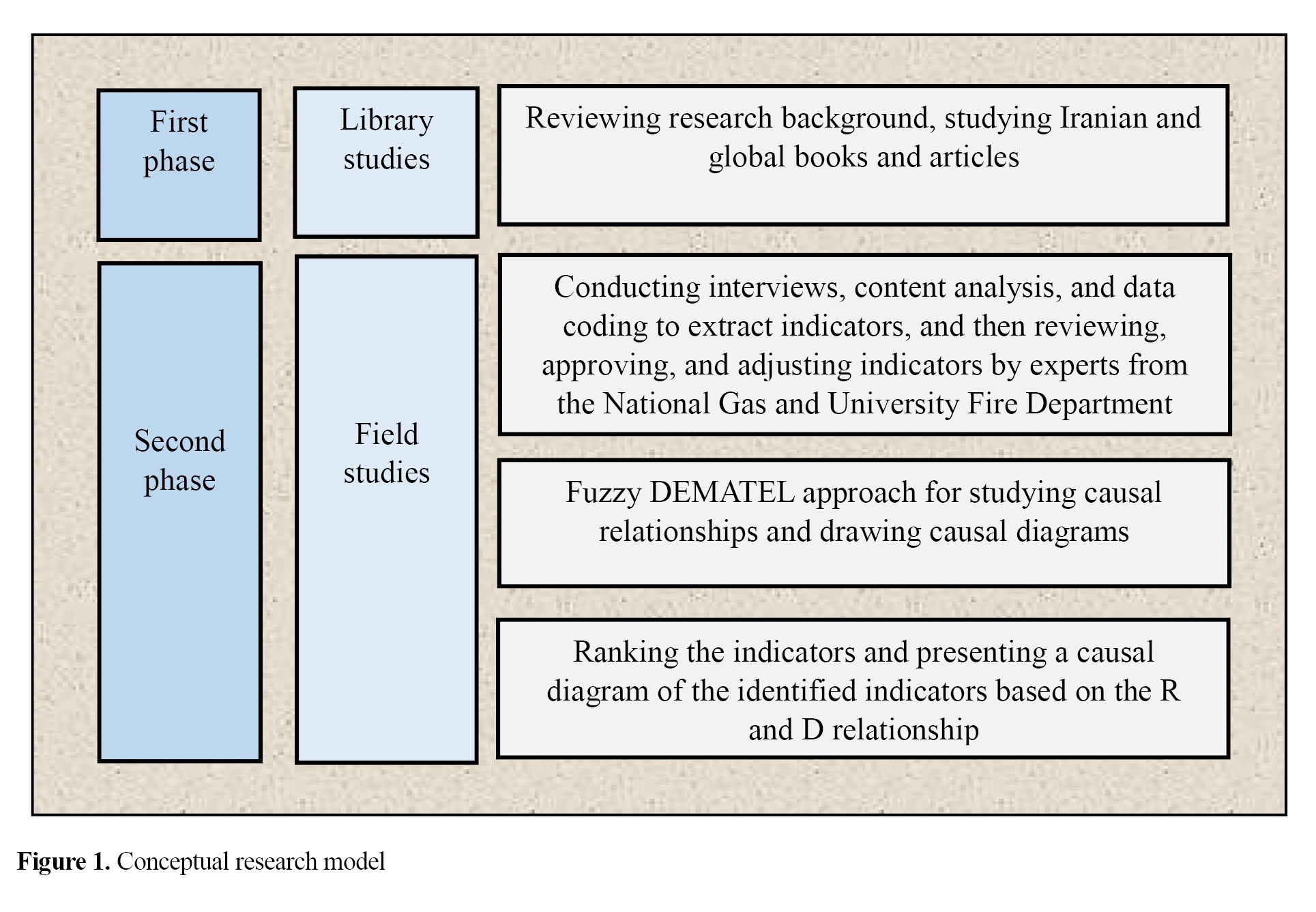
The first phase, namely library studies, included a review of research sources, as well as a review of Iranian and global books and articles. Its goal was to gain a general understanding of the research background and the fire department’s performance evaluation indicators in order to formulate the research questions and interviews. This means that the research questions were designed based on a detailed review of the literature and background in this field.
In the second phase, namely field studies, semi-structured interviews were used to identify the performance evaluation indicators of the National Gas Company’s fire department, to collect the necessary information from the statistical population and samples, and to use it as data in the content analysis section. In addition, a pairwise comparison questionnaire was used to collect data for the fuzzy DEMATEL approach. To establish validity in the interviews, audio recorders were used instead of handwritten notes, because this allows for a more accurate study of the primary data. Therefore, to increase the accuracy of data collection, all conversations were recorded with the interviewee’s consent and then transcribed. Also, to establish reliability in the research, a set of diverse questions was used to understand the subject more deeply. In other words, during each interview, questions were asked about the interviewee’s responses to ensure the data obtained and to prevent possible ambiguity.
Next, to examine the reliability of the pairwise comparison questionnaires, the inconsistency coefficient was calculated, which was equal to 0.0247. Given that the calculated value was less than 0.1, the paired comparison matrix had an appropriate value and did not need to be revised. Also, to examine reliability, the pairwise comparison questionnaire was reviewed and approved by industrial and academic experts.
In the qualitative phase, using the content analysis approach, key performance evaluation indicators were identified. Then, in the quantitative phase, using the fuzzy DEMATEL approach, causal relationships, the interactions among indicators, and their rankings were determined.
The statistical population in the first phase of the field studies, namely content analysis, included all heads and experts of the fire and HSE unit of the National Iranian Gas Company with at least 10 years of work experience. Judgemental-purposeful and snowball sampling were used for sampling, so that first, individuals with the most information and experience related to the subject were selected, and then new individuals were identified through their referrals. In this method, the exact number of participants was not known in advance, and the data collection process continued until theoretical saturation was reached. The theoretical saturation of the data was achieved in the tenth interview; however, for greater certainty, the interviews continued until the twelfth participant.
Also, the research questions were first formulated by carefully reviewing the existing literature and background in this field, and, to ensure greater comprehensiveness and accuracy, the opinions and views of some experts in this field were also examined. Accordingly, the main criterion for selecting the statistical population was the participants’ experience and expertise and their ability to provide useful and relevant information. This multi-step process ensures that the research questions fully and accurately addressed the issues in question and were examined from all aspects.
In the quantitative phase (fuzzy DEMATEL), which aimed to identify the relationships among indicators and rank them, a pairwise comparison questionnaire was used. The samples in this phase included the heads of the fire departments of the National Iranian Gas Company’s refineries with at least 10 years of work experience. Due to the limited number of refineries and the specialization of the subject, the selection of individuals was carried out using judgemental-purposeful sampling. The sample size was considered to be between 10 and 15 fire chiefs, which ultimately resulted in 15 questionnaires. Since the exact number of the statistical population was not known in advance, and the statistical population was limited to the fire chiefs of refineries, the number of individuals was determined based on their ability to provide useful and relevant information on the subject. Given the limitation in the number of refineries, random sample size formulas were not needed. Finally, after collecting 15 questionnaires, sufficient information was obtained to analyze the relationships among the indicators. The conceptual model of this study is presented in
Figure 1.
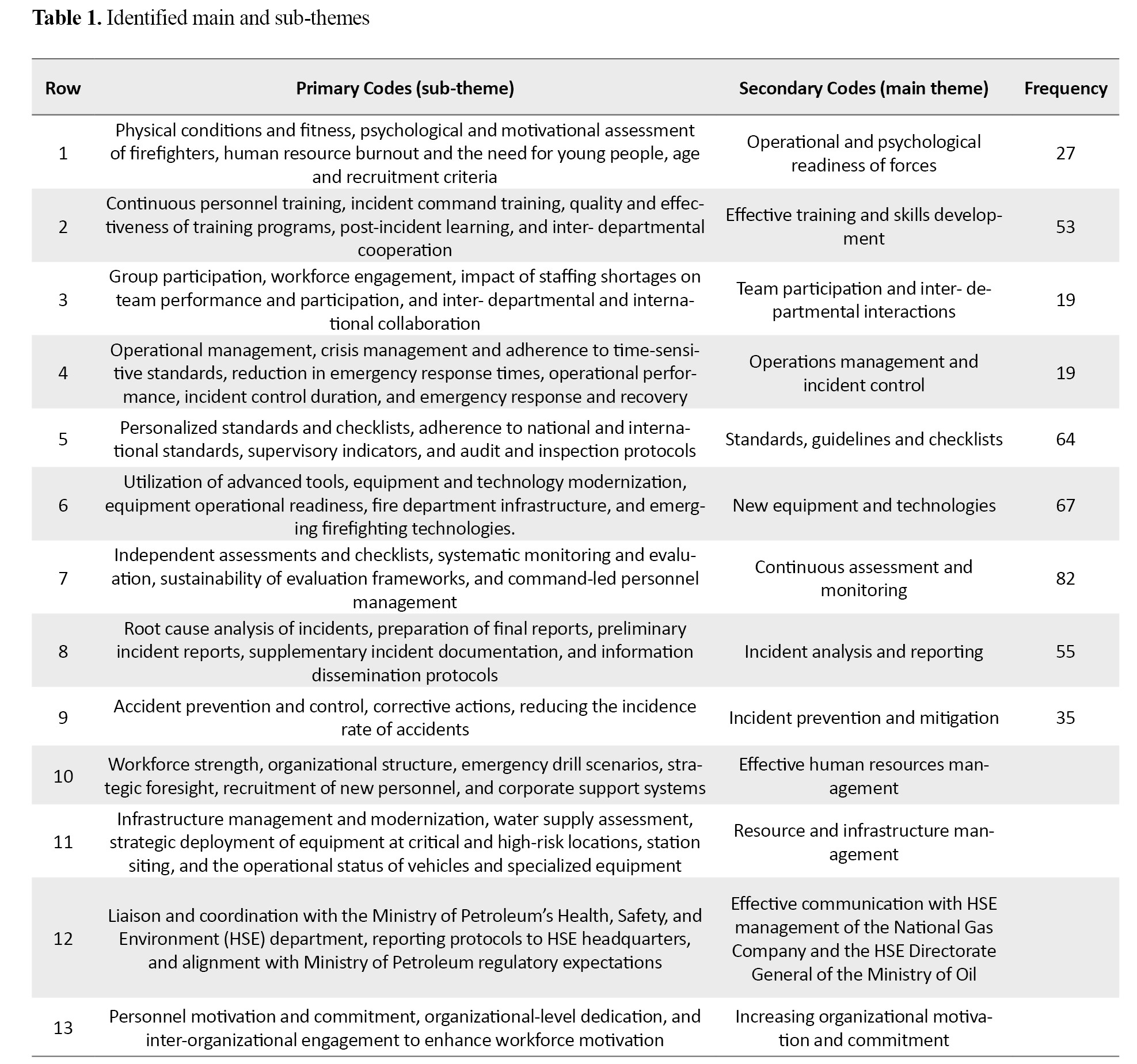
To identify the key performance indicators for evaluating the fire department, semi-structured interviews were conducted with department heads and experts from the fire and HES units. The resulting data served as input for thematic analysis; accordingly, all recorded interviews were transcribed verbatim, and the data coding process was initiated using ATLAS.ti 8. To facilitate this, the interview transcripts were reviewed and studied multiple times to ensure a profound understanding of the subject matter. Following an in-depth immersion in the interview transcripts, initial concepts were extracted from lengthy narratives. Subsequently, themes representing specific segments of the text were identified and recorded, thereby completing the initial coding phase. From the 102 concepts initially identified, 72 primary codes were extracted. Through iterative review, comparative analysis, and the identification of commonalities, codes sharing overlapping attributes were grouped into broader categories designated as secondary codes. Ultimately, this process led to the identification of 13 key performance indicators, as presented in
Table 1.
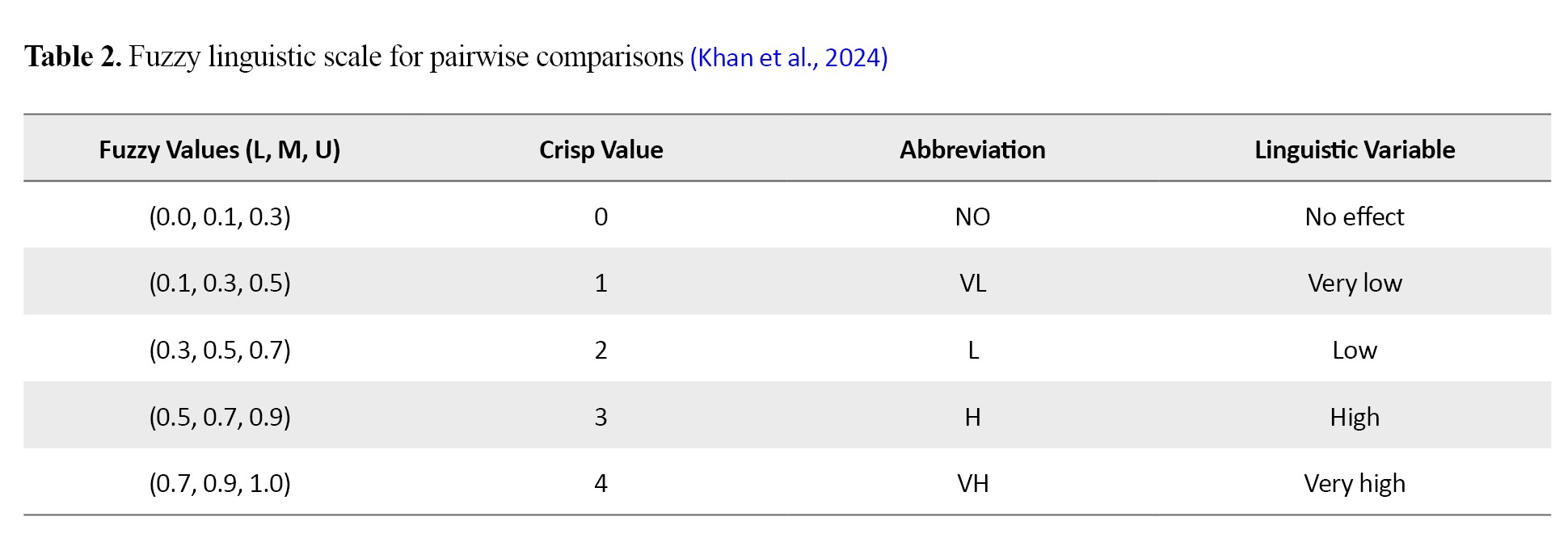
Following the identification of the key performance indicators, the Fuzzy DEMATEL (Decision Making Trial and Evaluation Laboratory) approach was employed to rank these indicators and investigate the interrelationships among them. The DEMATEL approach utilizes graphical representations to categorize involved factors into two distinct groups—cause and effect—thereby elucidating their relationships through an interpretable structural model (Amin-Tahmasbi et al., 2020). In this stage, experts determined the influence of each indicator on its counterparts using the scale presented in
Table 2.
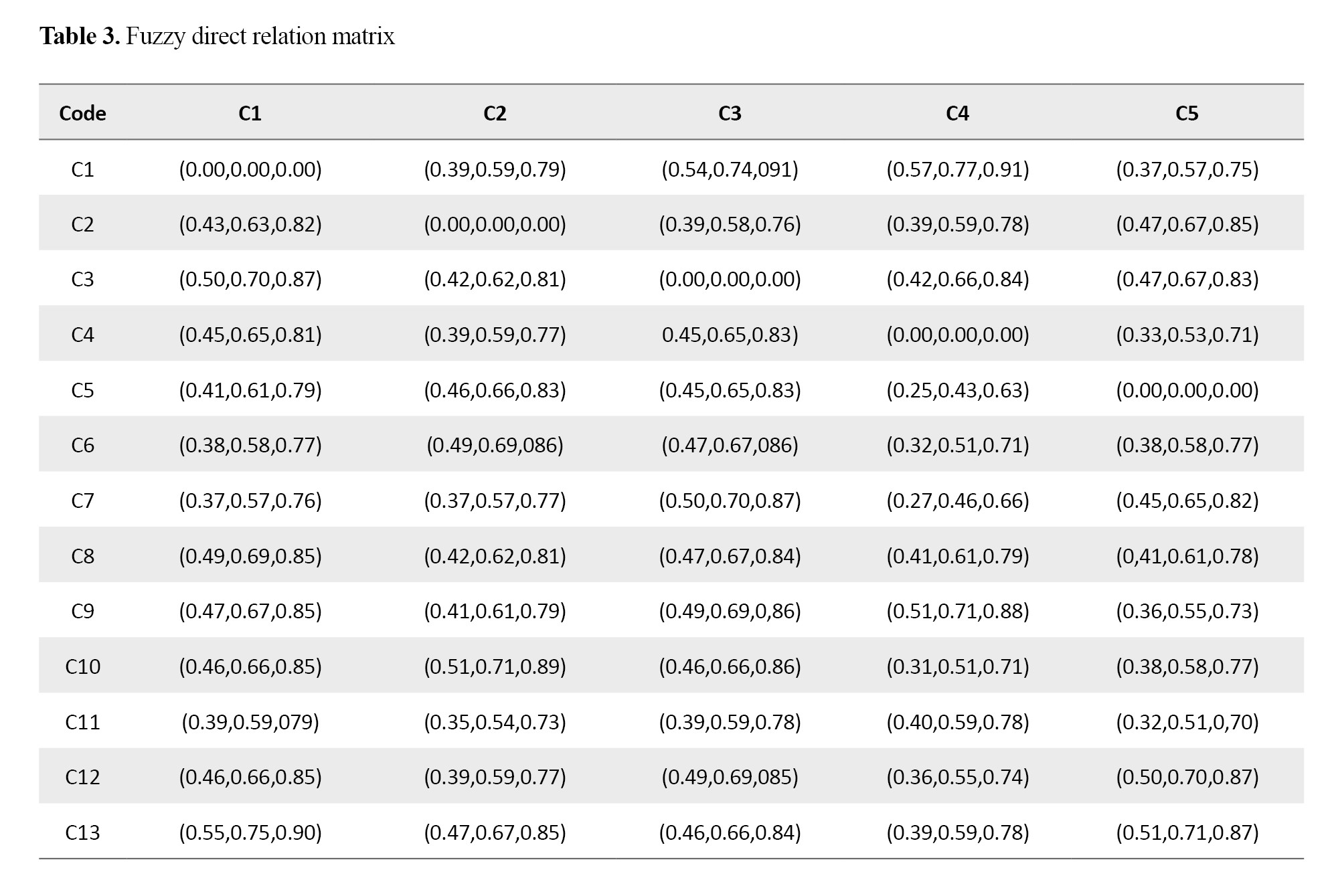
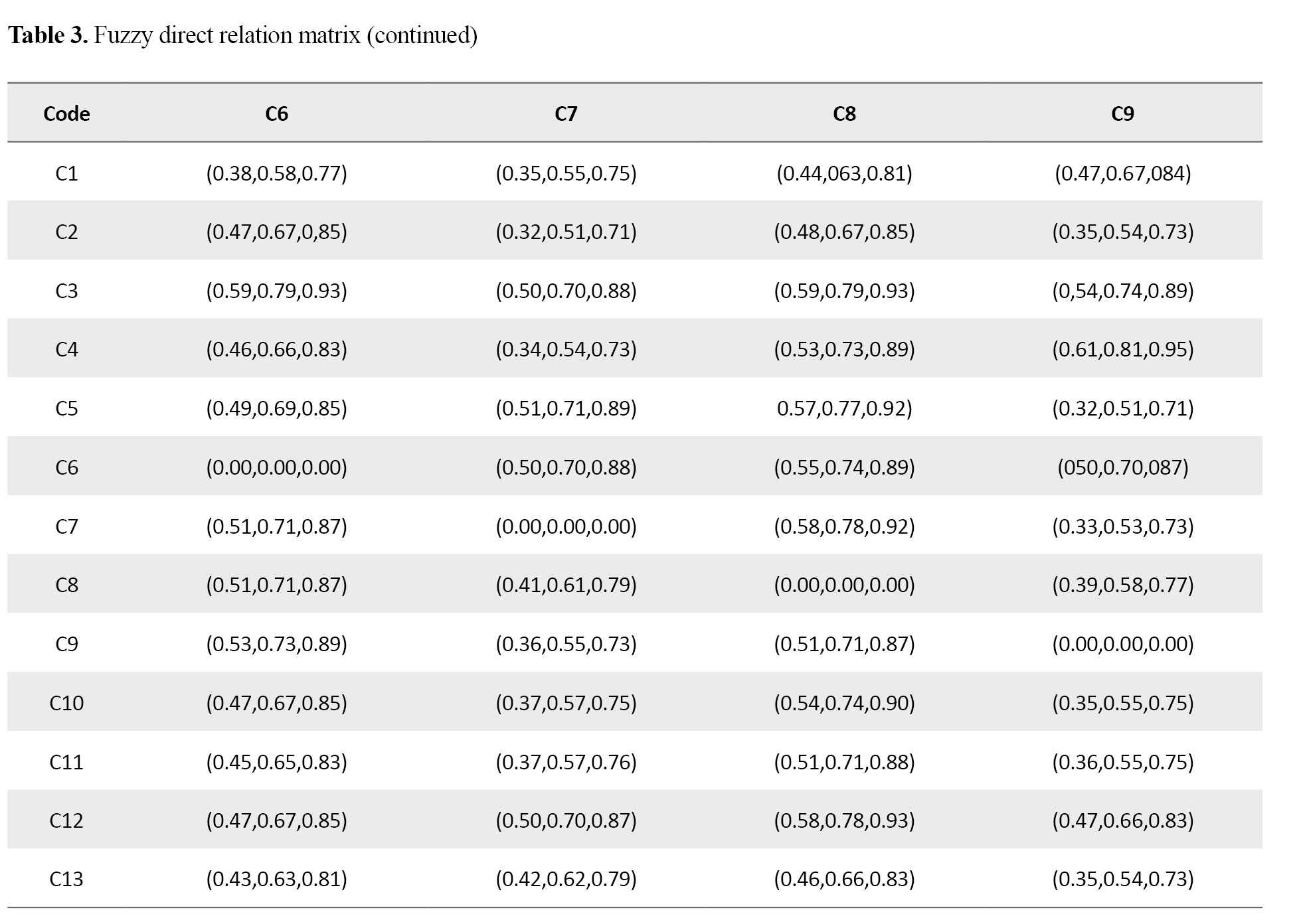
Based on the evaluations provided by 15 experts, the crisp values were converted into fuzzy numbers. Subsequently, the fuzzy direct relation matrix for the indicators was constructed by calculating their simple arithmetic mean (
Table 3).

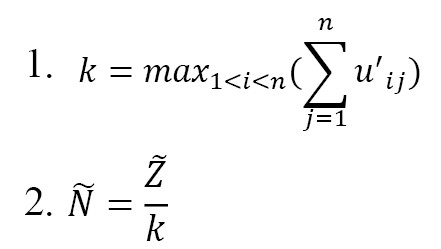
Following the standard Fuzzy DEMATEL approach, the sum of the upper bounds of the triangular fuzzy numbers in each row was first calculated according to
Equation (1), and the maximum value was selected as k. Following this, all elements of the fuzzy direct relation matrix were divided by the obtained value of kk, according to
Equation 2, to generate the normalized fuzzy direct relation matrix.
In the subsequent step, the complete relation matrix was constructed according to
Equation 3.
This was achieved by first forming a 13×13 identity matrix (II), subtracting it from the normalized matrix, and then calculating the inverse of the resulting matrix. This inverse was subsequently multiplied by the normalized matrix to obtain the complete relation matrix. This entire procedure was performed for each of the three boundaries (lower, middle, and upper) of the fuzzy numbers.

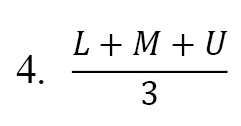
The elements of the Fuzzy Complete Relation Matrix are denoted as . To obtain precise values, a defuzzification process was applied using
Equation 4.
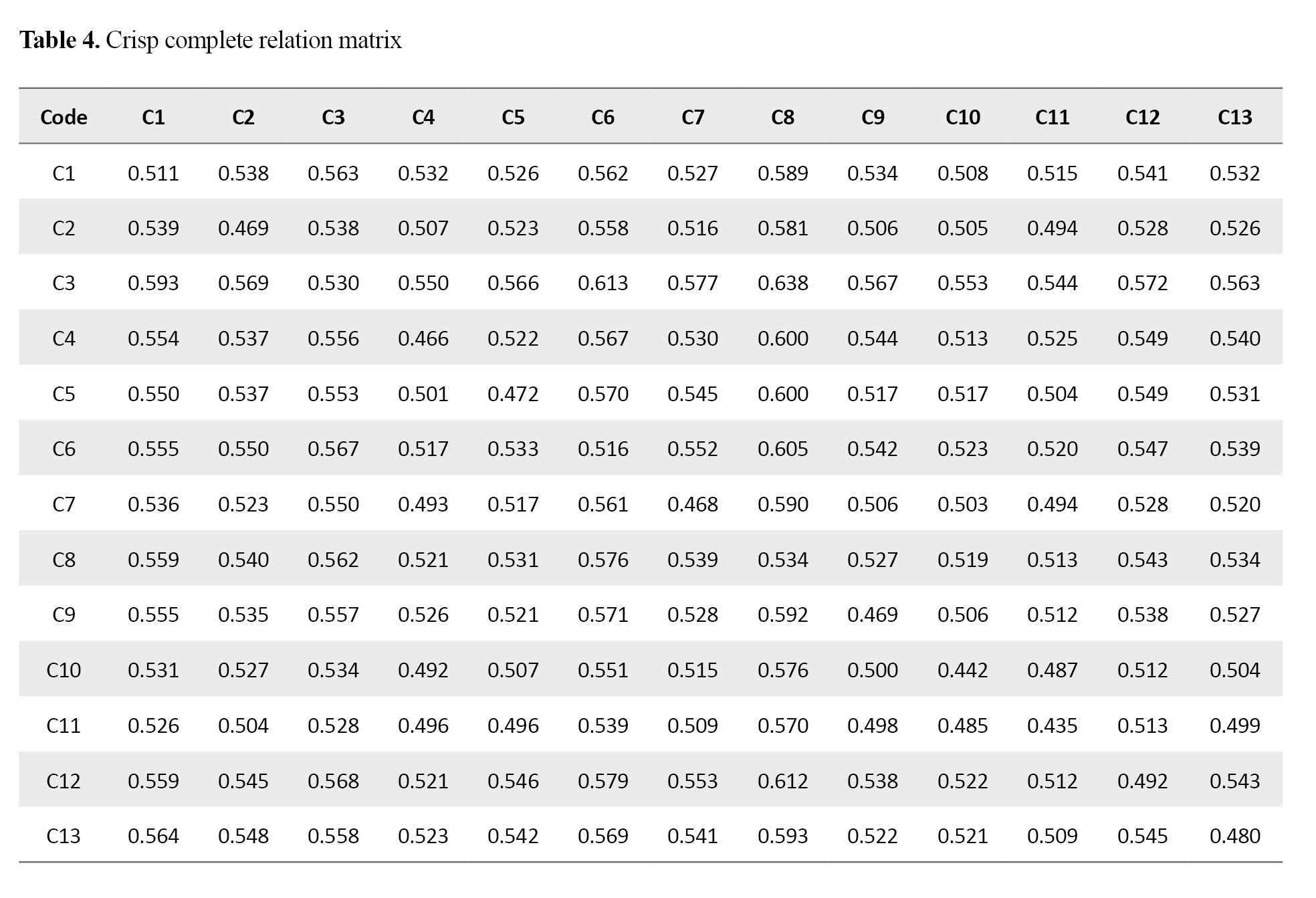
Ultimately, the crisp complete relation matrix was established (
Table 4).
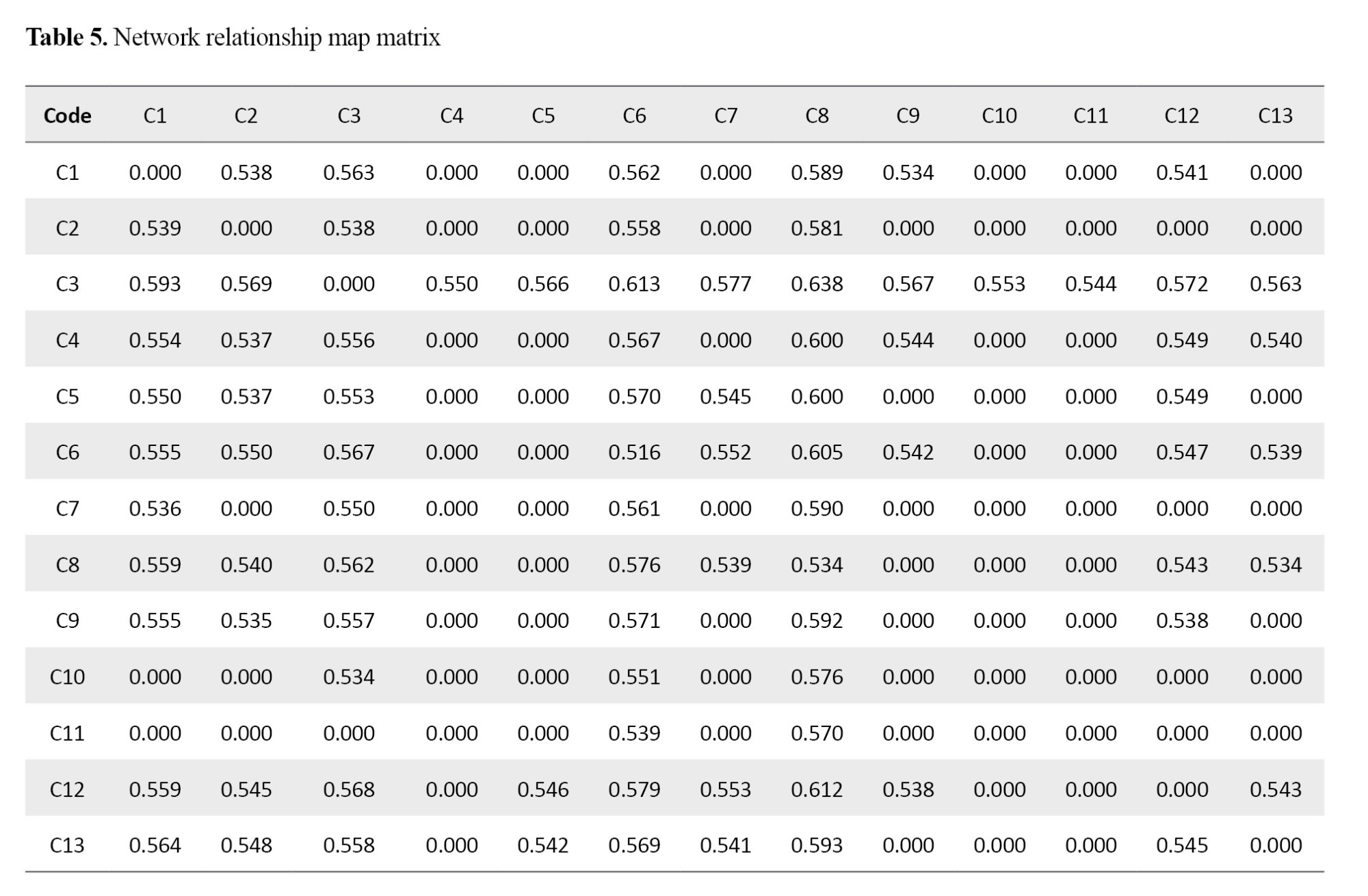
Subsequently, to construct the causal diagram, a relation mapping matrix must be generated. To achieve this, a threshold value was determined, defined as the arithmetic mean of the elements in the complete relation matrix. Values falling below this threshold were excluded, signifying that they were deemed to have negligible influence within the system and were thus omitted from the causal relationships (
Table 5 presents the resulting network relation map).
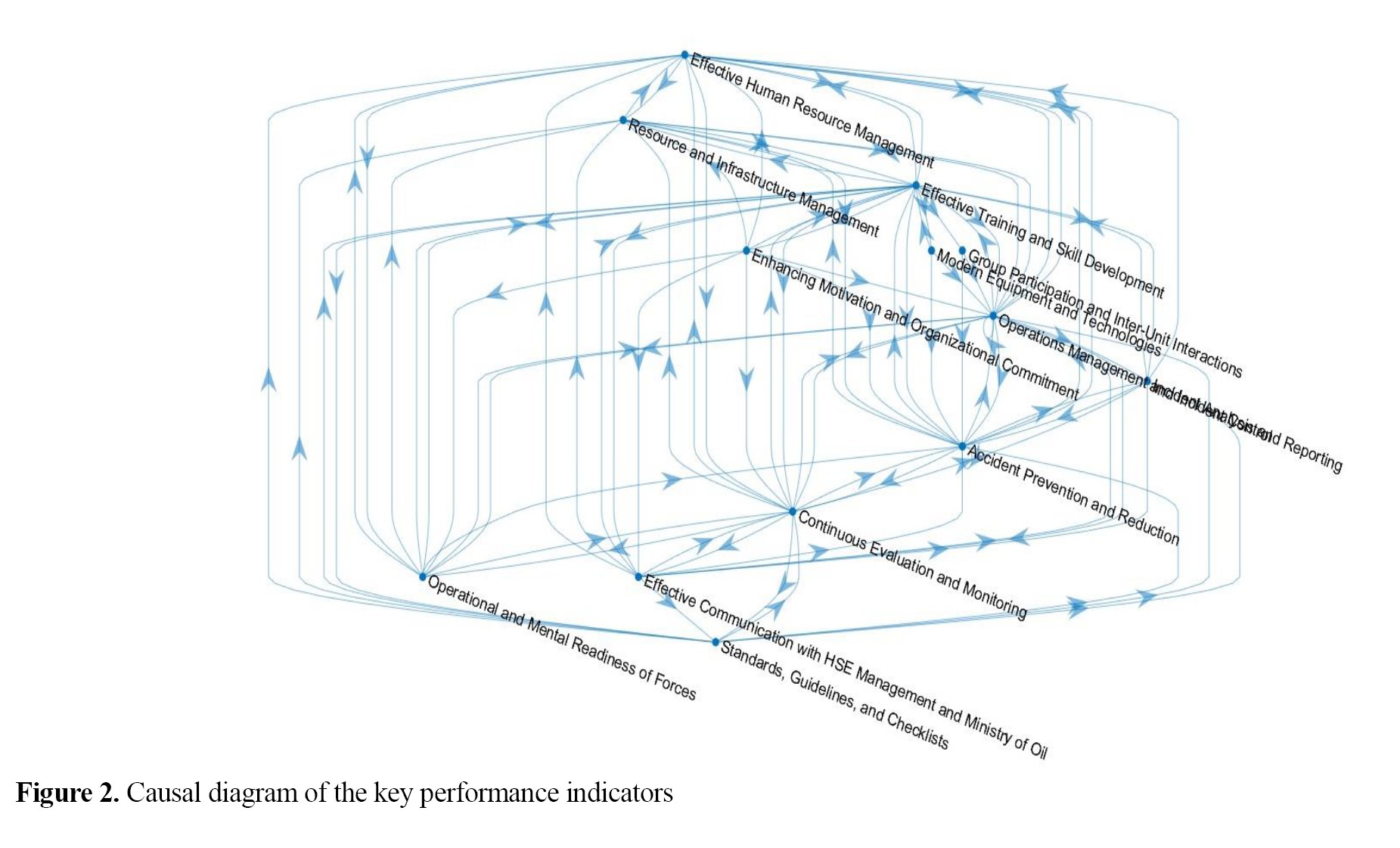
To construct the causal diagram, each factor in the mapping matrix is connected via directed arrows to its related factors—specifically those located in the columns of the matrix with non-zero values.
Figure 2 illustrates the resulting causal diagram of the indicators.”
In the final stage, to identify the specific role and the overall importance of each indicator, the sum of the rows and columns of the complete relation matrix was calculated. These sums were designated as the influence vectors (D) and the receptivity vectors (R). Subsequently, the overall importance of the indicators was determined by calculating the sum (D+R), while their specific functional role—defined by the degree of causality—was determined by the difference (D−R). Factors with a positive (D−R) value are classified as influential (causes), whereas those with a negative value are classified as influenced (effects)
Results
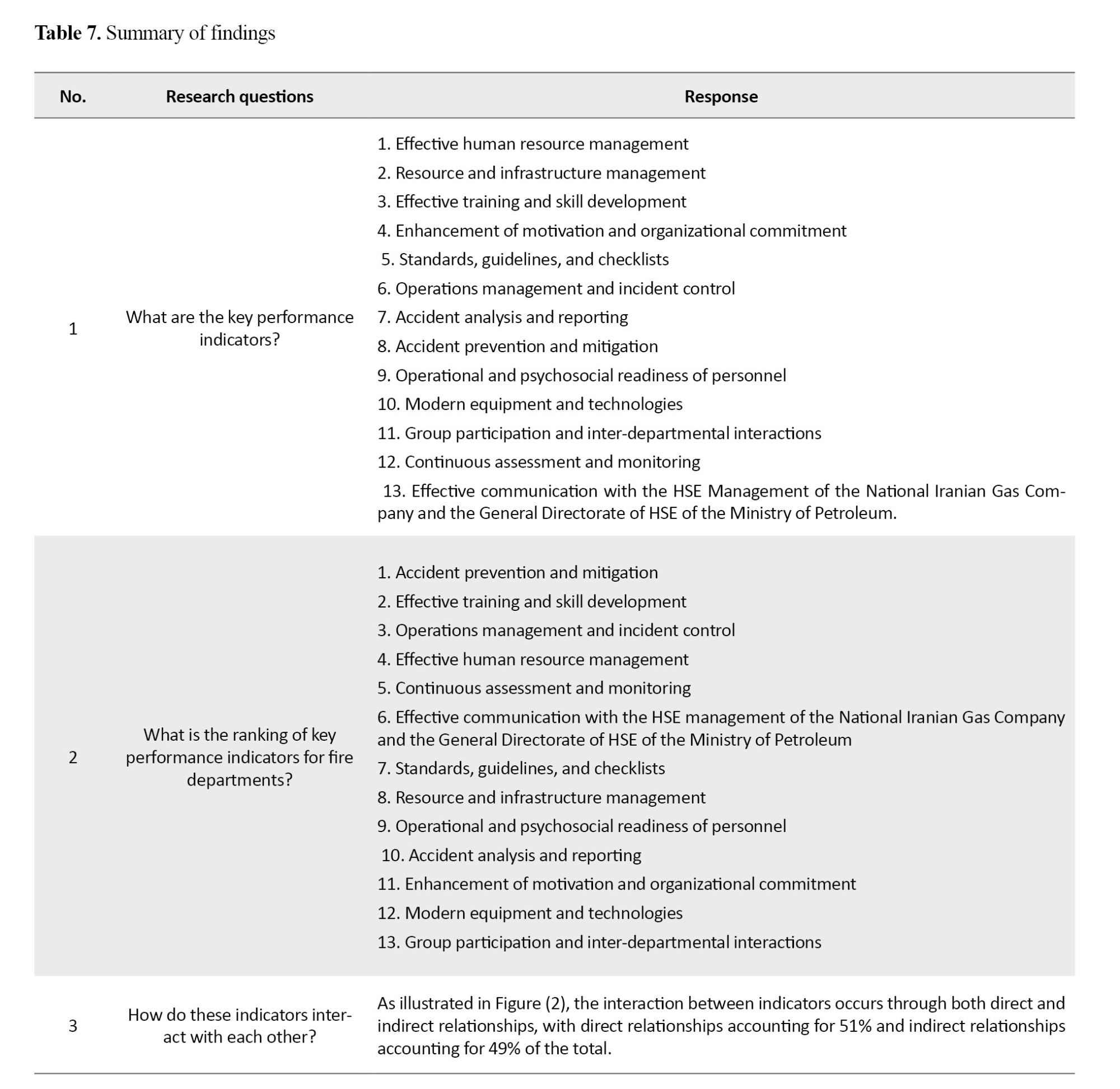
“The findings from the initial phase of this study identified 13 key performance indicators for evaluating the performance of the Iranian National Gas Company’s fire department: effective human resource management, resource and infrastructure management, effective training and skill development, motivation enhancement and organizational commitment, standards, guidelines, and checklists, operations management and incident control, incident analysis and reporting, incident prevention and mitigation, operational and psychological readiness, equipment and emerging technologies, group participation and inter-departmental interactions, continuous evaluation and monitoring, and effective communication with the national gas company’s HSE Department and the Ministry of Petroleum’s HSE Directorate. These indicators were derived through thematic analysis via a two-stage coding process
Following the identification of these key performance indicators, the fuzzy DEMATEL technique was employed to rank the indicators and examine their interdependencies. Upon collecting pairwise comparison questionnaires from the expert panel and converting crisp linguistic terms into fuzzy values, the fuzzy complete relation matrix was constructed, as presented in
Table 3.
The table above contains triangular fuzzy numbers with lower (L), middle (M), and upper (U) bounds, which are employed to manage the uncertainty and ambiguity in the experts’ responses. Additionally, the indicators of Effective Human Resource Management, resource and infrastructure management, effective training and skill development, motivation enhancement and organizational commitment, standards, guidelines, and checklists, operations management and incident control, incident analysis and reporting, incident prevention and mitigation, operational and psychological readiness, equipment and emerging technologies, group participation and inter-departmental interactions, continuous evaluation and monitoring, and effective communication with the National Gas Company’s HSE Department and the Ministry of Petroleum’s HSE Directorate are designated by the codes C1 to C13, respectively.
Subsequently, the matrix was normalized based on the maximum calculated value of k according to
Equation 1, which was 10.24; by dividing all elements of the fuzzy direct relation matrix by this value, the normalized matrix was obtained. Then, the crisp complete relation matrix (
Table 4) was calculated using
Equations 3 and
4.
Following the Fuzzy DEMATEL procedure, the next step involved constructing the causal diagram of the indicators. The threshold value was first determined by calculating the average of all elements within the crisp complete relation matrix, resulting in a value of 0.534. This threshold serves to identify whether the relationship between any two variables is statistically significant. Accordingly, if the defuzzified relationship value between two variables in
Table 5 is less than the threshold, the relationship is considered insignificant, and a value of zero is assigned. Conversely, if the value is greater than or equal to the threshold, the relationship is deemed significant.
Based on these descriptions, the interdependencies between the indicators were illustrated by mapping the row-to-column relationships, where non-zero elements were connected to form the causal diagram shown in
Figure 2. This diagram depicts the interaction dynamics among the indicators.
According to the diagram derived from the network relation map NRM matrix (
Table 5), direct and indirect relationships were observed.
1. Direct relationships: The analysis of direct relationships among the indicators was conducted based on the non-zero elements within the network relation map matrix. A non-zero value in a matrix cell (corresponding to a specific row and column) signifies a direct influence between the two indicators, where the magnitude of the value represents the strength of the relationship. For instance, the value of 0.538 in the cell for C1 and C2 indicates that effective human resource management (C1) exerts a direct influence on resource and infrastructure management (C2). Conversely, a value of zero in the cell for C1 and C11 denotes the absence of a direct relationship between these two indicators. It should be noted that a zero value does not necessarily imply a total lack of interaction; rather, it specifically signifies the absence of a direct link, which does not preclude the existence of indirect relationships.
2. Indirect relationships: As previously established, the absence of a direct link (indicated by a zero value) between two indicators does not preclude the existence of an indirect relationship. Such relationships may manifest through one or more intermediary indicators, forming a chain of causal dependencies. For instance, resource and infrastructure management (C2) maintains a direct relationship with effective training and Skill development (C3). Furthermore, effective training and skill development (C3) exerts an influence on incident analysis and reporting (C7). While there is no direct connection between resource and infrastructure management (C2) and incident analysis and reporting (C7), the former influences the latter indirectly via the mediation of effective training and skill development (C3). Consequently, an indirect relationship exists between these two indicators, contingent upon their interaction through other constituent elements in the network.
Finally, to rank the indicators and determine their respective roles within the studied system, the row sums and column sums of the crisp complete relation matrix (
Table 4) were calculated to determine the influence (D) and dependency (R) values, respectively. Furthermore, the values of (D+R) and (D−R) were computed for each variable, as presented in
Table 6.
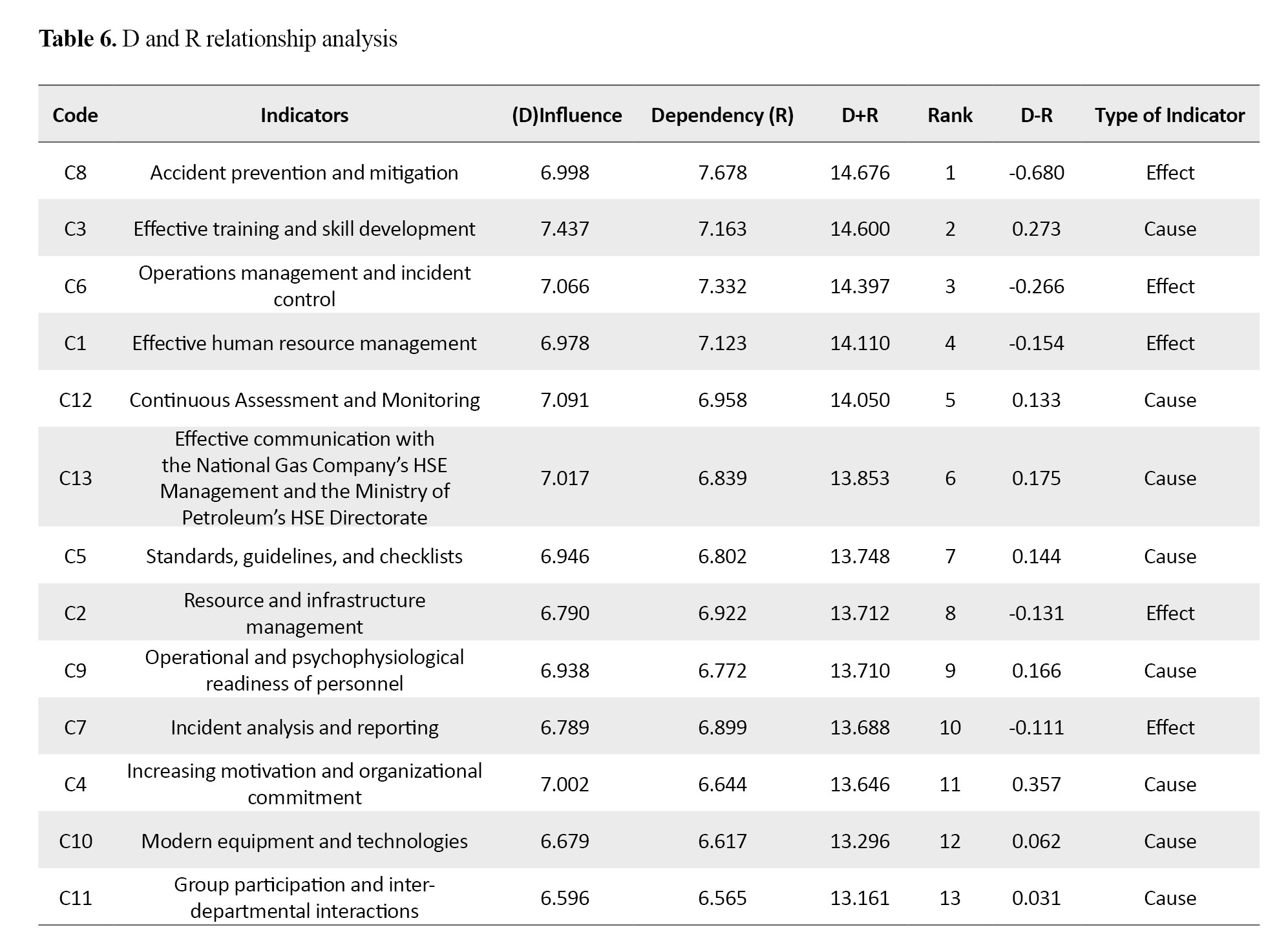
Based on the total importance, represented by the (D+R) relation, “accident prevention and mitigation” ranked first, followed by “effective training and skill development” in second place, and “operations management and incident control” in third. The remaining indicators—including “effective human resource management,” “continuous assessment and monitoring,” “effective communication with the National Gas Company’s HSE Management and the Ministry of Petroleum’s HSE Directorate,” “standards, guidelines, and checklists,” “resource and infrastructure management,” “operational and psychophysiological readiness of personnel,” “incident analysis and reporting,” “increasing motivation and organizational commitment,” “modern equipment and technologies,” and “group participation and inter-departmental interactions”—were ranked in descending order. Specifically, “increasing motivation and organizational commitment” was identified as the most influential indicator with a value of 0.357, while “Accident Prevention and Mitigation” was identified as the most dependent indicator with a value of -0.680; a summary of these results is illustrated in
Figure 3.
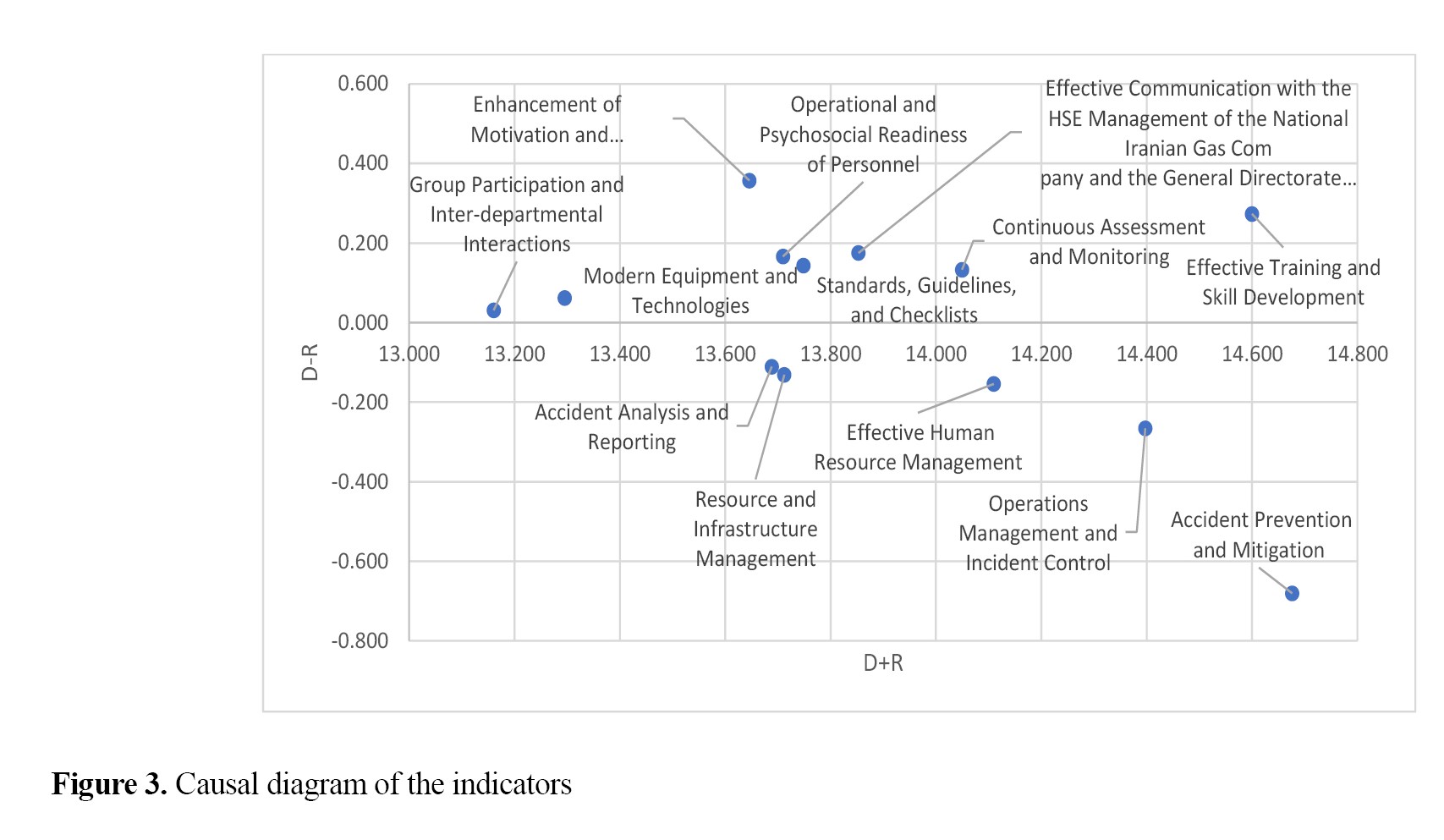
As illustrated in
Figure 3, the variables positioned above the horizontal axis represent cause variables, while those below the axis represent effect variables. Consequently, due to their positive (D−R) values, the indicators of “effective training and skill development,” “continuous assessment and monitoring,” “effective communication with the National Gas Company’s HSE management and the Ministry of Petroleum’s HSE Directorate,” “standards, guidelines, and checklists,” “operational and psychophysiological readiness of personnel,” “increasing motivation and organizational commitment,” “modern equipment and technologies,” and “group participation and inter-departmental interactions” were identified as cause variables. conversely, “effective human resource management,” “resource and infrastructure management,” “operations management and incident control,” “accident prevention and mitigation,” and “incident analysis and reporting” were categorized as effect variables.
Discussion
The findings of the present study, conducted to identify and rank the key performance indicators of the Iranian National Gas Company’s fire department, offer significant scientific and practical value. By employing a mixed approach of thematic analysis and Fuzzy DEMATEL, the key indicators were identified and their causal relationships were investigated. The “accident prevention and mitigation” indicator holds the highest priority. This indicator plays a critical role in maintaining personnel health and reducing costs associated with incidents; furthermore, “effective training and skill development” and “operations management and incident control” were ranked second and third, respectively. These findings underscore the importance of continuous improvement in personnel knowledge and skills, which, in addition to increasing efficiency and productivity, contribute significantly to enhancing safety and incident control. Previous studies, including those by Ahmadi et al. (2022), Arab Mohammadi (2017), Atsawakobith et al. (2022), and Bulama Boni and Alhaji Ali (2021), have also emphasized the role of training in improving operational readiness and human resource efficiency during crises, thereby validating the results obtained in this research. Additionally, indicators, such as “effective human resource management,” “continuous assessment and monitoring,” and “effective communication with HSE management” were identified as complementary factors that play a vital role in ensuring transparency and fostering inter-departmental interactions within the organization.
Conclusion
Performance evaluation in critical domains, such as HSE management is of paramount importance, as improving performance in these areas not only contributes to maintaining personnel safety and health but also effectively reduces incident-related costs and enhances organizational productivity. In this regard, the identification and ranking of key performance indicators assist managers and decision-makers in developing effective solutions for system improvement by focusing on influential factors. The present study employed the Fuzzy DEMATEL approach to investigate the causal relationships among key performance indicators within the HSE domain. The “Accident Prevention and Mitigation” indicator ranked first as the most significant criterion for performance evaluation, underscoring the necessity of effective planning and rapid response mechanisms to mitigate risks and prevent incidents. Attention to this indicator plays a key role in maintaining personnel safety and health and reducing incident-related costs. Subsequently, “effective training and skill development” and “operations management and incident control” are ranked second and third, respectively. These results underscore the necessity of continuous improvement in personnel knowledge and competencies, which, in addition to increasing efficiency, contributes to enhancing safety and reducing incidents. Other indicators, including “effective human resource management,” “continuous assessment and monitoring,” and “effective communication with the hse management of the National Iranian Gas Company and the Ministry of Petroleum’s General Directorate of HSE,” were positioned in the subsequent ranks. These indicators serve supportive and complementary roles, facilitating process improvement, increasing transparency, and enhancing inter-departmental interactions. In particular, the “Continuous Assessment and Monitoring” indicator emphasizes the importance of constant monitoring of system and personnel performance, which plays a fundamental role in ensuring safety and operational continuity. From the perspective of dependency, factors, such as “human resource management,” “resource and infrastructure management,” “operations management and incident control,” “accident prevention and mitigation,” and “incident analysis and reporting” were identified as effect indicators. Among these, “Accident Prevention and Mitigation” exhibits the highest level of dependency, meaning its performance is highly contingent upon other factors. Therefore, the optimal management of causal factors is essential to enhance this indicator. Furthermore, “effective training and skill development,” “continuous assessment and monitoring,” “interaction with the HSE management of the National Iranian Gas Company and the Ministry of Petroleum’s General Directorate of HSE,” “standards and guidelines,” and “increased motivation, organizational commitment, and group participation” were identified as cause indicators (influential factors). Among these, “Increased Motivation and Organizational Commitment” exerts the highest influence, underscoring its vital role in enhancing the overall system performance. In general, the results indicate that indicators, such as “Accident Prevention and Mitigation” play a pivotal role in performance enhancement due to their high level of dependency and overall significance. Conversely, focusing on the “Effective Training and Skill Development” indicator, characterized by high influence, can facilitate the advancement of personnel knowledge and competencies. A coordinated and simultaneous focus on these indicators fosters continuous organizational performance improvement and risk mitigation. In essence, the present study provides a practical framework for improving the management and performance of fire departments, which is generalizable to other critical industries; these findings can assist managers and policymakers in identifying and prioritizing strategic actions to enhance safety and productivity.
Table 7 summarizes the research findings.
 Limitations
Every research endeavor is inherently accompanied by limitations, and the present study is no exception. One of the primary challenges was the diversity in the experiences and perceptions of the interviewees, which occasionally led to discrepancies or contradictions in the provided information, thereby complicating the data validation process. Furthermore, time constraints during the interviews reduced the depth of certain responses, while the professional commitments of some participants resulted in more concise answers, which increased the complexity of data analysis.
In addition, the Fuzzy DEMATEL approach, which relies on subjective data and expert judgments, necessitates high precision in determining fuzzy values. Moreover, the implementation of the research findings and recommendations may encounter organizational and cultural resistance within the National Iranian Gas Company, particularly if extensive changes to structures and procedures are required. Nevertheless, efforts were made to mitigate these limitations through validation and supplementary methods, ensuring that the research findings maintain their scientific integrity and value.
Recommendations for future research
Given the findings of the present study and the practical utility of the performance evaluation indicators within the oil, gas, and petrochemical industries, these indicators may be generalized to other critical industries to facilitate comparative analyses. Furthermore, it is recommended that future research focus more precisely on the indicators and the analysis of their interdependencies. In this regard, studies aimed at investigating the impact of intelligent accident prediction systems on reducing industrial accident rates are highly encouraged. Such research could evaluate the performance of Big Data and Artificial Intelligence (AI)-based systems in hazard identification and prevention, offering solutions to enhance their accuracy and efficiency. Additionally, considering the importance of training and skill development—identified as a key indicator in this study—future research should explore the impact of operational training based on virtual simulators, such as virtual reality (VR) and augmented reality (AR), on reducing response times and improving employee performance. Such studies could examine the role of these technologies in safety training and operational skill enhancement, assessing their effectiveness in mitigating both the frequency and severity of accidents. These recommendations are particularly applicable to high-risk industries and sectors related to crisis management, firefighting, and emergency services.
Ethical Considerations
Compliance with ethical guidelines
All ethical principles were considered throughout this study, and informed consent was obtained from all participants prior to their participation. Since no experiments were conducted on animal or human samples, no ethical code was required.
Funding
This article is derived from a master’s thesis conducted at the National Iranian Gas Company and was supported and funded by the National Iranian Gas Companyunder contract No. 034004 with Semnan University.
Authors' contributions
Conceptualization, review & editing, and methodology: Parisa Dadoo and Mohsen Shafiei Nikabadi; Software, formal analysis, investigation, data curation, original draft preparation, and visualization: Parisa Dadoo; Validation: Mohsen Shafiei Nikabadi and Davood Hosseinkhani; Resources: Davood Hosseinkhani; Supervision: Mohsen Shafiei Nikabadi; Project administration: Mohsen Shafiei Nikabadi and Davood Hosseinkhani.
Conflicts of interest
The authors declared no conflict of interest.
Acknowledgments
The authors sincerely thank the Iranian Gas Company and the managers and experts from the fire department and HSE centers for providing information and the conditions to conduct interviews.
References
Ahmadi, M., Pahlavani, F., Siraiei, H., & Rudaki, A. (2022). [Evaluation of organizational performance of employees of the Fire Department and Safety Services of Karaj Municipality (the role of intellectual capital and organizational agility of employees)(Persian)]. Paper presented at 3th National Conference on Management, Psychology and Behavioral Sciences, Tehran, Iran, 21 October 2022. [Link]
Amin-Tahmasbi, H., Khorshidpour, A., & Amjadipour, M. (2020). [Measuring the Impact of Urban Infrastructure on each other in terms of Passive Defense Perspective using Fuzzy DEMATEL, Case Study: Guilan Province (Persian)]. Disaster Prevention and Management Knowledge, 10 (1), 38-48. [Link]
Arab Mohammadi, H. (2017). [Evaluating Health and Safety Management Performance Using the TQSM Model in Tehran Fire Department (Persian)]. Paper presented at Fourth Comprehensive Conference on Crisis Management and HSE, Tehran, Iran, 10 July, 2017. [Link]
Atsavakovith, C., Suthiwartnarueput, K., & Pornchaiwiseskul, P. (2022). Sustainability Key Performance Indicators for Thailand’s Upstream Oil and Gas Industry. Arts of Management Journal, 6(4), 1964-1989. [Link]
Babaei, M., Rezaian, S., & Jozi, S. A. (2021). [Evaluating the Performance of Health, Safety, & Environment Management System (HSE-MS) in Dam Design and Construction Projects in Tehran Industrial Group based on EFQM Enterprise Excellence Model (Persian)]. Journal of Health and Safety at Work, 11 (3), 417-432. [Link]
Bulama Buni, M., & Alhaji Ali, Z. (2021). Sustainability Production: Issues and Challenges Evaluation in Nigerian Oil and Gas Sector Using Key Performance Indicators. International Journal of Advances in Engineering and Management (IJAEM), 3(8), 1061-1072. [Link]
Dehghani, R. (2022). [An overview of organizational performance assessment criteria and models in systems thinking (Persian)]. Civil and Project, 4(5), 47-61. [DOI:10.22034/cpj.2022.359602.1153]
Falahati, M., Zakai, M., Asadi, H., Najafi-Mejreh, M., Biabani, A., & Faghih-Niatarshizi, Y. (2019). [Presenting a model for determining and weighting performance evaluation indicators of urban HSE management system (Persian)]. Iranian Occupational Health, 16(1), 60-71. [Link]
Falahati, M., Zokaei, M., Asady, H., Mojre, M. N., Biabani, A., & Torshizi, Y. F. (2019). [Model of the selection KPI for assessing the performance of the urban HSE management syste (Persian)]. Iran Occupational Health, 16(1), 60-71. [Link]
Ghanbari, H., Ebrahimi Sarvolia, M. H., Amiri, M., Bolou, G., & Ghorbanizadeh, V. (2020). [Designing a performance evaluation model for the Technical and Vocational Training Organization of Iran with an emphasis on the financial approach (Persian)]. Industrial Management Perspective, 10(4). [Link]
Ghasemi, A. (2024). [Identifying causal and effect factors affecting organizational silence using fuzzy DEMATEL method in financial and investment companies (Persian)]. Quarterly Journal of Investment Knowledge, 13(52), 963-982. [DOI:10.30495/jik.2024.23257]
Eslamzadeh, M. K, Grilo, A., & Espadinha-Cruz, P. (2023). A Model for Fire Departments’ Performance Assessment in Portugal. Fire, 6(1), 31. [DOI:10.3390/fire6010031]
Jalalvand, S. (2022). [Evaluation and performance assessment of employees (Persian)].Paper presented at The 8th Scientific & Research Conference on the Development and Promotion of Educational Sciences & Psychology of Iran, Tehran, Iran, 12 June 2022. [Link]
Javadi, S. M., Hatefi, M. A., & Heydari-Asl, M M. (2023). [Identifying Indicators and Building a Model for Research Projects Performance Evaluation; (Study Case: the Institute for International Energy Studies) (Persian)]. Strategic Studies in Petroleum and Energy Industry, 15(57), 7-7. [Link]
Jebeli, A., Omdirvari, M., Kazemi, R., & Samradjah, K. (2022). [Presenting a model for evaluating OHS performance using the Safety Scorecard method: A case study of gas supply in Tehran province (Persian)]. Iranian Occupational Health Monthly, 19 (1), 255-269. [[DOI:10.52547/ioh.19.1.255]
Khan, S., Haleem, A., & Khan, M. I. (2024). Enablers to implement circular initiatives in the supply chain: A grey DEMATEL method. Global Business Review, 25(1), 68-84. [DOI:10.1177/0972150920929484]
Kheirdast, A., Jozi, S. A., Rezaian, S., & Mirza Ebrahim Tehrani, M. (2025). [The Fire Management Strategies for Worn-out Buildings With Fire Vulnerability Using the AʼWOT Analysis: A Case Study in the 19th District of Tehran, Iran (Persian)]. Disaster Prevention and Management Knowledge, 14(4), 442-459. [DOI:10.32598/DMKP.14.4.838.1]
Mirza, S., Mansouri, N., Arjomandi, R., & Azizinejad, R. (2020). [Quantitative assessment and determination of priorities of health, safety and environment criteria in oil refineries based on the HSE-MS system of the OGP model (using ANP and DEMATEL methods) (Persian)]. Environmental Science and Technology, 22(8), 113-125. [Link]
Modiri, M., Shiramin, M. D., & Shirazi, H. (2019). [Identification and Prioritization of Influencing Factors on Safety Performance with hybrid Fuzzy DEMATEL and Analytical Network Process Approach (DANP)(Case Study: A Combined Cycle Power Plant) (Persian)]. Journal of Health & Safety at Work, 9(1), 49-60. [Link]
Pourhosein, R., Musavi, S., & Rasoulzadeh, Y. (2024). [A Comparative Risk Assessment of Human Error in Firefighting Using SLIM and Fuzzy SLIM Methods (Persian)]. Journal of Health and Safety at Work, 14(1), 150-173. [DOI:10.18502/jhsw.v14i1.17129]
Rezaei, A., & Fekri, R. (2021). [Provide a model for explaining the relationships between performance indicators, errors and employee evaluation methods (Persian)]. Strategic Studies in the Oil and Energy Industry; 13 (50), 14-14. [Link]
Zaimifard A. (2020). [Evaluation of the safety and firefighting situation in District 4 of Rasht city (Persian)] [MA thesis]. Rasht: Islamic Azad University, Rasht Branch, Faculty of Humanities, retrieved from Irandoc. [Link]
Zameni, F., Nasiri, P., Mahdinia, M., & Soltanzadeh, A. (2021). [Analysis of the causal relationships of shift work, job stress and job satisfaction with the occupational health level based on fuzzy DEMATEL method: A cross sectional study (Persian)]. Journal of Health and safety at Work, 11(1), 151-163. [Link]